What to Say to Your Insurer After an Accident
Tell your insurer what happened, when, and where, and let the facts speak without guessing at fault or adding opinions.
A rear-end accident at a stoplight
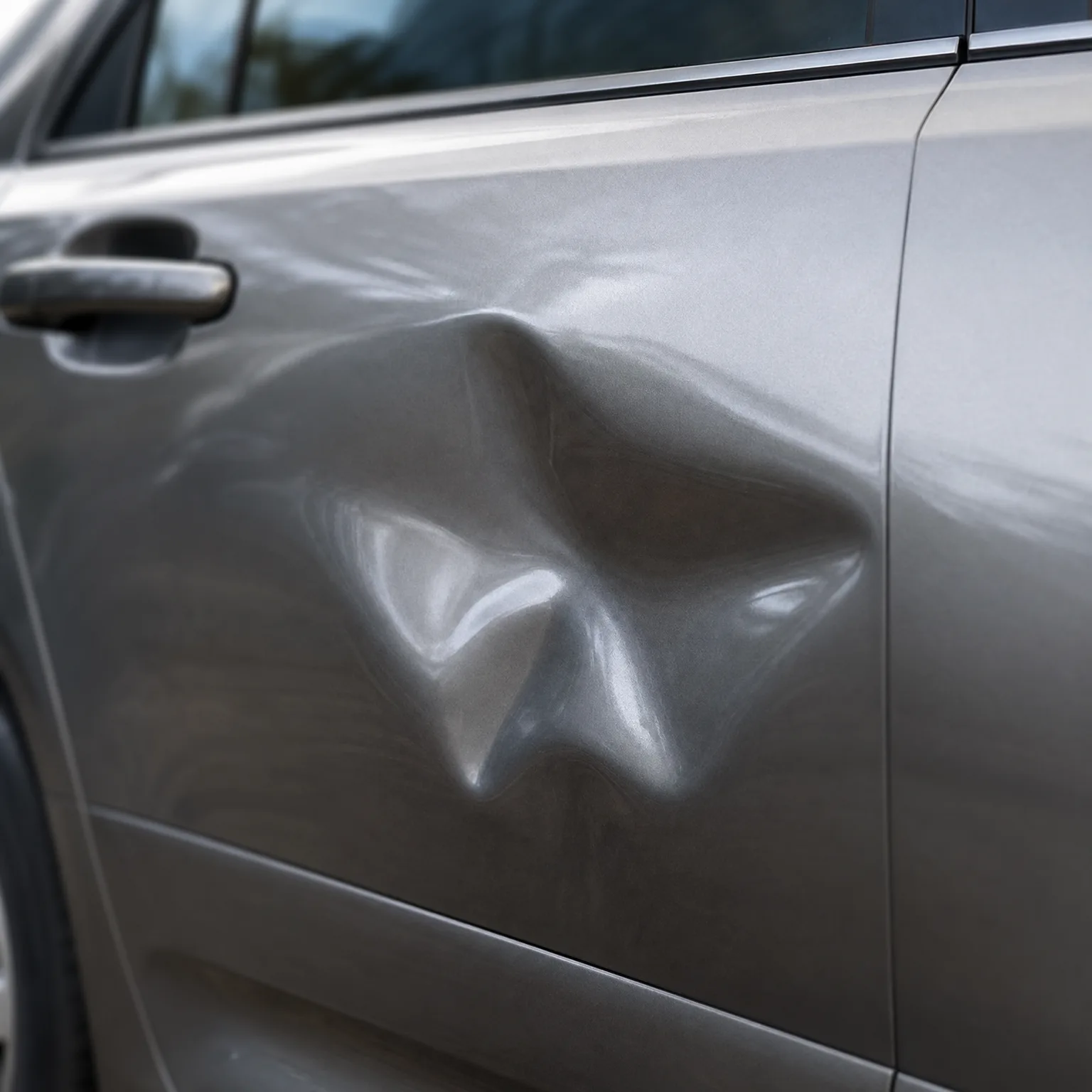
You're stopped at a light and the car behind taps your bumper. No one seems hurt and both cars are driveable, so you exchange information and call your insurer that evening. You describe the order of events plainly: you were stopped, the other car hit you from behind. You give the time, the street, and the other driver's information. You don't say whose fault it was, you just describe what happened and let the insurer sort out fault from the facts and the police report if there is one.
The adjuster asks a few follow-up questions about damage and whether you felt any pain. You answer only what's asked, without filling silence with extra commentary about how tired you were or how the other driver seemed distracted. A few days later the claim moves forward cleanly, because your statement matched the facts from the start. Nothing you said needed to be walked back, and that made the whole process faster.
Should you admit fault if you think it was partly your doing?
No. Fault is a legal and factual determination that your insurer, the other insurer, or sometimes a court will work out from the evidence. Your job is to report what happened, not to decide who's to blame.
Even if you feel responsible in the moment, stress and adrenaline distort memory and perception right after a crash. What you think happened isn't always exactly what happened. Saying "I think it was my fault" can be used against you later, even if the full picture shows otherwise. Describe the sequence of events as precisely as you can and let the people whose job it is to assign fault do that work with the full evidence in front of them.

What you say becomes part of the record, so describe events, not blame or feelings.
Once you know how to report a claim without hurting it, compare quotes to make sure your coverage holds up next time.

Call your insurer right after the accident or wait
If you do
You report the accident while details are fresh, so your account is accurate and consistent with the other driver's and any police report. Your insurer starts the claim promptly, gets ahead of the other side's version, and you avoid the risk of a late report looking suspicious or violating your policy's reporting terms.
If you don't
Memory fades, and small details shift the longer you wait. The other driver may report first and shape the narrative before you do. Some policies set a window for reporting, and waiting too long can give your insurer a reason to question or delay your claim.
Why sticking to facts protects your claim
Insurance claims run on evidence, not impressions. When you call your insurer, your statement gets written down and treated as part of the record of the accident. Anything that sounds like an admission, an apology, or a guess about fault can be used later, even if it turns out to be wrong. Insurers aren't trying to trap you, but they do have to weigh every statement against the other driver's account and any outside evidence like a police report or photos.
The reason facts matter more than feelings is that fault gets determined by reconstructing what actually happened, not by how anyone felt about it afterward. Saying you were probably going too fast, or that you didn't see the other car, hands over a conclusion before all the evidence is in. Describing speed, location, signals, and sequence gives the insurer what it needs without putting a thumb on the scale.
This works a little differently depending on your state's fault rules. Some states assign fault entirely to one driver, others split it by percentage between multiple drivers. In a shared-fault state, an offhand comment about your own role can directly affect what percentage you're assigned, which changes how much you can recover. Check how your state handles fault before you assume any statement is harmless.
There are cases where more detail helps, like when you noticed something unusual such as a mechanical failure in your own car or a traffic signal that wasn't working. That kind of detail is still factual, not an opinion about blame, and it can matter if it explains what happened. The line to hold is between reporting what you observed and interpreting what it means.
Should I talk to the other driver's insurance company too?
You can, but you don't have to, and it's usually smarter to let your own insurer handle that contact. The other insurer's adjuster works for them, not you, and anything you say can be used to minimize what they pay. If they call you, you can give basic facts like your name and the accident report number, then direct detailed questions to your own insurer or an attorney if one is involved.
What if I said something wrong to my insurer right after the accident?
You can correct it. Call your insurer back, explain that you want to clarify or amend your earlier statement, and give the accurate version as soon as you realize the mistake. Insurers deal with this regularly, since people are often confused or shaken up right after a crash. The key is correcting it promptly rather than letting an inaccurate statement sit uncorrected in the file.
Do I need a police report if the damage is minor?
It depends on your state and the specifics of the accident, so check your state's requirements for when a report is mandatory. Even when it's not required, a police report creates an independent record of what happened, which can help if the other driver's story changes later. If there's any disagreement at the scene about what occurred, it's worth calling for one even for minor damage.