Is It Appropriate to Apologize for an Accident
No. A simple apology can be read as admitting fault, so it's better to stay calm and factual instead.
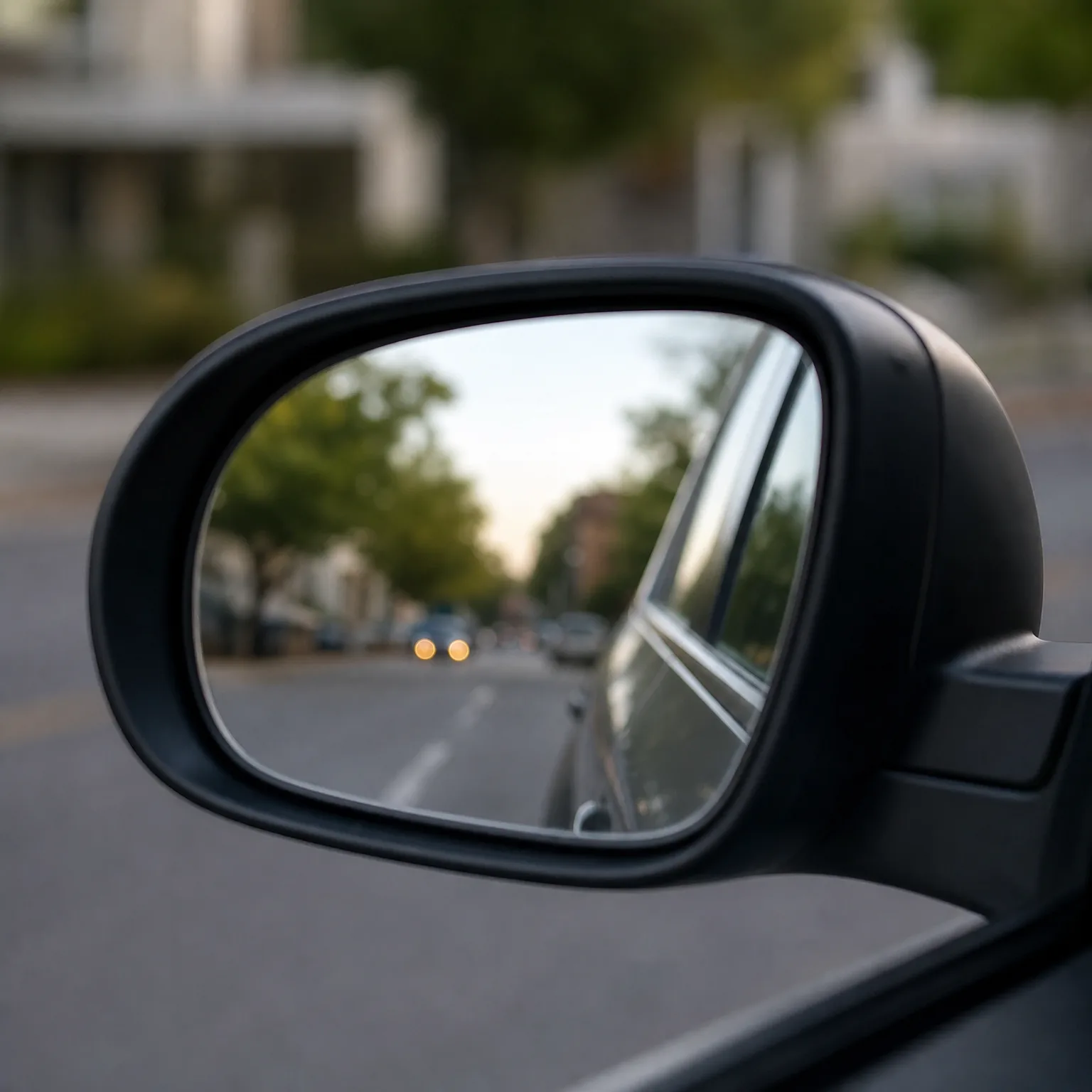
A rear-end stop that felt like your fault but wasn't
You're stopped at a light and the car behind taps your bumper. Your instinct is to get out and say you're sorry it happened, even though you did nothing wrong. The other driver's insurer later notes your words as if you accepted blame, and untangling that costs you time you didn't need to spend.
A driver who instead exchanged information, took photos and described only what happened had a cleaner claim. Her insurer reviewed the police report and the physical evidence, not anyone's emotional reaction, and assigned fault to the other car based on the facts. She got her repairs covered faster and never had to argue about a sentence she wished she hadn't said.
What should you say at the scene instead of sorry?
Stick to facts. Confirm everyone is okay, exchange names, contact information, insurance details and license plate numbers, and describe only what you observed, not who you think caused it.
If you're asked what happened, say what you saw and felt, like noticing brake lights late or feeling the impact from behind. Avoid phrases like it was my fault or I should have seen you sooner. Let the police report, photos and your insurer's investigation establish fault. Being polite and human is fine. Checking on someone's well-being isn't the same as accepting blame, and you can be kind without handing the other side a line to use later.
Now that you know how to handle the scene, compare quotes to make sure your coverage backs you up.
What to do instead of apologizing at the scene
- Check on people first Asking if everyone is okay is about safety, not fault. Do this before anything else, then move to exchanging information calmly.
- Stick to observable facts Describe what you saw and felt, not who caused it. Save your opinion about fault for your insurer, not the other driver.
- Exchange information only Names, contact details, insurance information and plate numbers are what you need. Skip commentary about how the accident happened.
- Let photos do the talking Pictures of the vehicles, the road and any damage speak for themselves. They protect you better than any explanation you might give out loud.
- Report it the same way When you call your insurer, describe events plainly without assigning blame to yourself. Let the investigation determine fault using evidence, not your wording.

Saying sorry feels like manners, but at a crash scene it can be read as proof of fault.
Can an apology actually be used against you in a claim?
Yes, it can. Insurance adjusters and opposing attorneys sometimes treat an apology as an admission of fault, even when you meant it as simple courtesy. Whether it carries real weight depends on the rest of the evidence, like police reports and witness statements, but it can still complicate things. Check how fault is determined in your state, since some weigh statements differently than others. When in doubt, stay factual and let evidence speak instead of your words.
Does saying sorry affect who gets blamed for the accident?
It can, but it usually isn't the deciding factor by itself. Fault determination relies mainly on physical evidence, traffic laws and witness accounts, not a passing comment. Still, an apology can be used to support an argument that you felt at fault, which adds friction to your case. If your state uses comparative fault rules, every piece of evidence matters more, so avoiding ambiguous statements protects you either way.
What if the accident really was my fault, should I still stay quiet?
You don't need to confess or apologize, but you also shouldn't lie. If you're asked direct questions by police, answer honestly about what happened physically, like your speed or actions, without adding blame statements. Let your insurer and the evidence determine fault formally. Being honest about facts is different from volunteering an opinion on who caused the crash, and that distinction protects you even when you suspect you made a mistake.