How Quickly Can Car Insurance Be Canceled
Most car insurance can be canceled the same day you call or go online, with no need to wait for a renewal date.
Switching policies without a lapse in between
One partner found a cheaper policy for the car they mainly drove and wanted to switch before the current term renewed automatically. They called the new insurer first, gave them the make, model and current coverage, and locked in a start date for the following Monday. Only after they had written proof of that new policy did they call the old insurer to cancel, setting the cancellation for the same Monday morning.
The old insurer asked a few questions about why they were leaving and tried to offer a lower rate to stay, but the switch went through once they confirmed the date. A few weeks later a refund showed up for the unused portion of the old premium, since they'd paid several months in advance. Nothing about the switch required them to add the other partner to anything, since they were handling their own car and their own policy the whole time.

The short version
Car insurance can usually be canceled the same day, by phone or online, and most insurers don't require advance notice. The main thing to get right is timing it so the new policy starts before or exactly when the old one ends. Line up new coverage first, then cancel the old policy.
Will canceling hurt my ability to get insured again later?
On its own, no. Canceling a policy because you switched insurers, sold the car, or no longer need coverage doesn't flag you as risky. What insurers do pay attention to is a gap where you had no coverage at all for a stretch of time, since that can make you look like a higher risk when you apply again.
If you're switching, the fix is simple. Have the new policy's start date set before you cancel the old one, so there's no day where the car isn't covered. If you're canceling because you're not driving for a while, ask the insurer how they'll view that gap later, since this is one of the things that varies by insurer and is worth confirming directly.
Once you know how cancellation works, compare quotes so your new policy is ready the moment the old one ends.
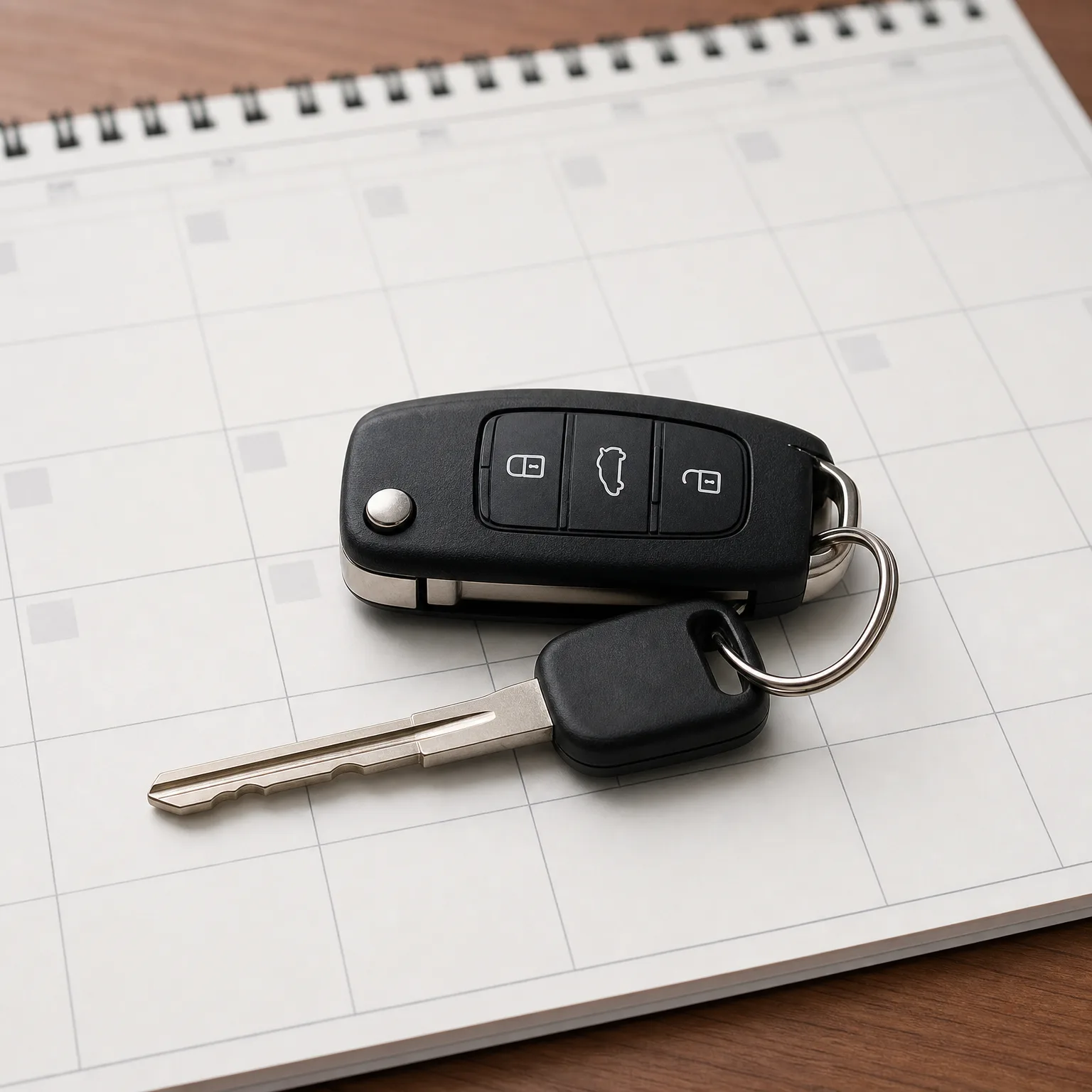
What to confirm before you cancel
- New coverage starts first Don't cancel the old policy until the new one has a confirmed start date. A same-day gap can still count as a lapse even if it's only a few hours.
- Only the policyholder can cancel If the car and policy are in one partner's name, that partner usually has to be the one to make the call. Check this before assuming either of you can cancel it.
- Ask about a refund If you paid for months in advance, ask specifically how the refund works and when it arrives. Some insurers prorate automatically, others require you to ask.
- Get written confirmation Ask for an email or letter confirming the cancellation date. Keep it somewhere easy to find in case a billing or coverage question comes up later.
- Separate your names if needed If both partners are listed on one policy and only one is leaving, don't just cancel outright. Ask the insurer how to remove a driver or split coverage instead.
Can I cancel car insurance if someone else is on the policy with me?
Usually yes, but it depends on whose name is primary on the account. If you're the primary policyholder, you can typically cancel or make changes without the other person's sign-off. If you're listed only as an additional driver, you likely can't cancel it yourself and would need the primary policyholder to make the request or to remove you as a driver instead.
Does canceling car insurance affect my credit?
Canceling itself doesn't directly affect your credit. What can affect it is an unpaid balance left on the account, like a partial month's premium that wasn't settled before cancellation. Confirm with the insurer that your account is paid in full and closed out cleanly, and ask for written confirmation so there's no later dispute.
What happens to a joint policy if we stop living together?
The policy itself doesn't automatically split, someone has to request the change. Whoever owns the car usually keeps the policy in their name, and the other person can be removed as a driver or start a new policy of their own. Contact the insurer directly to explain the situation, since how they handle removing one person varies and it's worth asking what paperwork they need.