Breaking Up and Splitting Car Insurance
Whoever keeps the car needs to be the one on the title and the policy, and that has to change before anyone drives away.

What has to happen when you split a shared policy
- Settle the car first The policy follows the car, so decide who keeps it before touching insurance. Whoever keeps the car needs to be the owner on the title before they can be the only one on the policy.
- Get a new policy, not a patch The partner keeping the car should get their own new policy rather than just removing a name from the old one. This resets the record cleanly and avoids any confusion about who's responsible going forward.
- Remove the other name fast The partner leaving needs to be taken off the policy as soon as they stop driving the car. Staying listed on a policy for a car you don't use anymore can still affect your record and your future rates.
- Expect a new rate A solo policy is priced differently than a shared one, so the new premium won't match what either of you paid before. Get a quote under just one name before deciding who can actually afford to keep the car.
- Handle the paper trail Keep records of when the title transferred and when the policy changed, with dates in writing. If anything happens in that gap, like an accident or a question about coverage, those dates are what settles it.
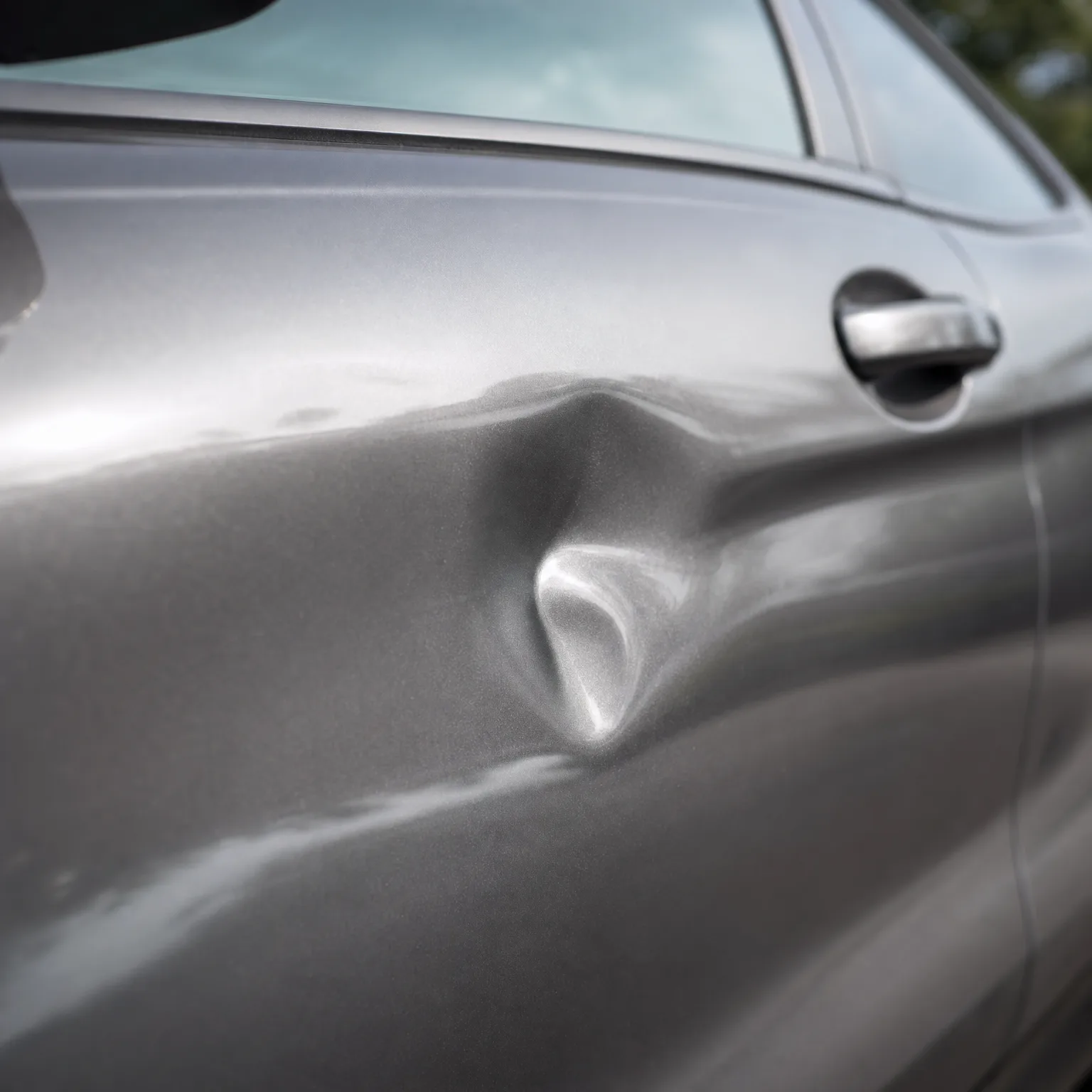
A couple splits one shared car and one shared policy
Two partners had lived together for several years and shared one car, titled in both names, insured under one policy that listed them both as drivers. When they broke up, one of them moved out and the other kept the apartment and the car. They assumed the insurance would just sort itself out once one of them stopped driving it, so for a few weeks nothing changed on paper.
Then the partner who moved out got a new car and tried to insure it, and the insurer asked about the old shared policy still showing an open claim history tied to both their names. That pushed them to finish the paperwork they'd been putting off. The partner keeping the car retitled it solely in their name, then shopped for a new individual policy instead of just asking to remove a name from the old one. The partner who left got confirmation in writing that they'd been dropped from the old policy entirely. The new policy cost more per month than their half had been, but it was solely theirs, and neither of them had to worry about the other's driving or claims touching their record again.

Now that you know whose name needs to be where, compare quotes for the solo policy you're about to need.
Why the car and the policy have to be untangled together
A car insurance policy exists to cover a specific vehicle and the people who regularly drive it. When two people share a car and a policy, the insurer is pricing risk based on both of their records and both of their driving. Once that household splits, the insurer has no way to know the arrangement has changed unless you tell them, so the policy keeps running exactly as it did before, with both of you still tied to it.
That matters because staying on a policy means staying connected to whatever happens with that car. If your ex gets in an accident or racks up a violation while you're still listed as a driver or co-owner, it can show up on your record and affect your rates later, even though you weren't anywhere near the car. The reverse is true too. This is why removing a name isn't just an administrative detail, it's what actually ends the shared risk.
The title and the policy need to match, which is a rule that holds everywhere even though the exact process varies by state and by insurer. Some insurers will let you simply remove a driver from an existing policy, while others require the remaining person to start a new policy altogether, especially if the car's ownership is changing at the same time. Check with your insurer directly rather than assuming either approach will work.
The one real exception is if you plan to keep sharing the car even after living apart, which does happen with co-owned vehicles. In that case you're not splitting the policy, you're renegotiating how you'll share it as two separate households, and that conversation is worth having explicitly rather than letting the old arrangement drift on by default.
Breaking up doesn't end shared insurance risk automatically. Only taking your name off the paperwork does.
Who's responsible if something happens before the policy is officially changed?
Whoever is still listed on the title and the policy at the moment of the accident is the one the insurer looks to, regardless of who was actually living in the house or whose idea the breakup was. If both your names are still on the paperwork, you're both still exposed, even if one of you moved out weeks ago and hasn't touched the car since.
This is exactly why the gap between breaking up and actually changing the paperwork matters so much. Verbal agreements about who's keeping the car don't change what the insurer sees, and they won't protect your record if something goes wrong in that window. If you're the one moving out, don't wait for a convenient moment to handle it. Call the insurer, confirm in writing that you've been removed, and keep that confirmation somewhere safe in case you ever need to prove when your responsibility actually ended.