Will My Insurance Go Up if I Hit a Tree
Yes, your rate will likely go up if you file a claim for hitting a tree, because it's treated as an at-fault collision.
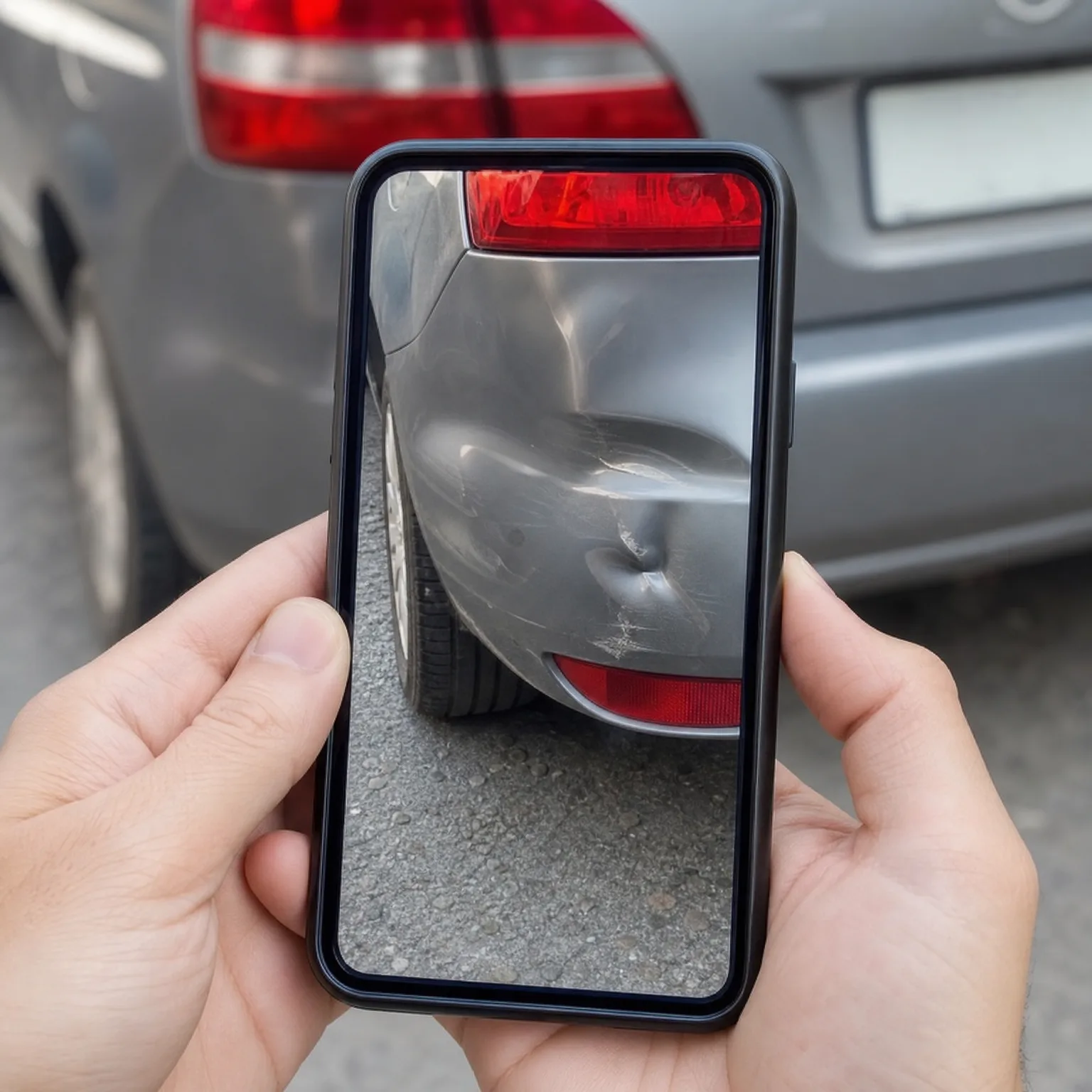
What actually determines the increase
- It counts as at-fault Hitting a tree has no other driver to blame, so your insurer records it as your fault. That classification is what triggers a rate increase, not the tree itself.
- Collision coverage pays out Damage to your own car from a tree falls under collision coverage. Using it means filing a claim against your own policy, which insurers factor into your history.
- Repair cost size matters A small claim may cost you more in future premiums than it pays out. Compare the repair estimate to your deductible before deciding to file at all.
- Your clean record counts If you've had years with no claims, the increase is usually smaller than if this is your second or third one recently. Ask your insurer how your history factors in.
- Forgiveness programs vary Some policies protect your rate after a first accident. Check your policy documents or ask your agent whether you already have this kind of protection.
Should I even file a claim for hitting a tree?
File a claim if the repair cost is close to or above what you'd pay out of pocket after your deductible, or if the damage affects safety systems you can't verify yourself. Trees often cause damage that looks minor but hides deeper problems with alignment, sensors or frame components, so a professional inspection matters even if you pay for it yourself.
If the repair is cheap, close to your deductible, or just cosmetic, paying out of pocket often costs less over time than the premium increase that follows a claim. Get a real repair quote first, then compare that number to what your insurer estimates your increase would be. Ask directly, insurers can usually give you a range before you file anything.

The tree isn't what raises your rate. Filing a claim for it is.
Once you know whether filing makes sense, compare quotes to see how that choice actually affects your rate.

Filing a claim for the tree damage
If you do
Your insurer treats it as an at-fault accident and your rate typically rises at your next renewal. The exact amount depends on your insurer, your state and your claims history. Your car gets repaired without you paying full cost upfront beyond your deductible, which matters for larger damage.
If you don't
You pay for repairs yourself, so no claim appears on your record and your rate stays where it was. This works best when the damage is minor or close to your deductible amount. If the damage turns out to be worse than expected, you're covering all of it without help.
Why insurers treat single-car accidents this way
Insurers price your policy based on risk, and a claim is evidence of risk regardless of who or what caused the damage. When you hit a tree, there's no other driver to share fault with or whose insurance might pay instead. The claim sits entirely on your record as an at-fault incident, which is exactly the kind of event insurers use to predict future claims.
This is different from a comprehensive claim, like a tree branch falling on your parked car. That kind of event is usually not your fault in any driving sense, so insurers tend to treat it more gently, sometimes without any increase at all. The distinction between comprehensive and collision coverage matters here more than people expect, and it's worth checking which one applies to your situation before assuming the worst.
How much your rate actually increases, and for how long, depends heavily on your insurer's specific rules and sometimes on your state's regulations around rate-setting after accidents. Some insurers weigh recent claims more heavily than older ones. Some states limit how long an accident can affect your rate. There's no universal number here, so the only reliable answer comes from asking your insurer directly what their policy is.
The cases where this works out differently usually involve accident forgiveness, a long claims-free history, or minor damage that falls under a threshold your insurer doesn't report as a real increase trigger. None of these are guaranteed, so check your specific policy rather than assuming you qualify.
How long does an at-fault accident stay on my record?
It typically stays on your driving record and affects your insurance rate for several years, though the exact length depends on your state and your insurer's own rules. Some insurers weigh it less heavily as time passes even before it fully drops off. Check with your insurer directly, since this varies more than most people expect and isn't standardized nationally.
Does comprehensive coverage apply if a tree falls on my parked car?
Yes, that scenario is usually covered under comprehensive coverage, not collision, because you weren't driving when it happened. Comprehensive claims are generally treated as less risky by insurers since there's no driving fault involved. Confirm with your policy documents, since coverage details and how insurers classify these events can differ.
Will my insurance drop me for hitting a tree?
It's unlikely from a single accident, especially if you have a clean history before it. Insurers are more likely to raise your rate than cancel your policy for one incident. Multiple claims in a short period, or a pattern of risky driving, are what typically lead to non-renewal. Ask your insurer about their specific policy on this.