Will My Insurance Cover My DUI Accident
Your insurer will almost always pay out first, then come after you for the costs and the policy, sometimes for years.
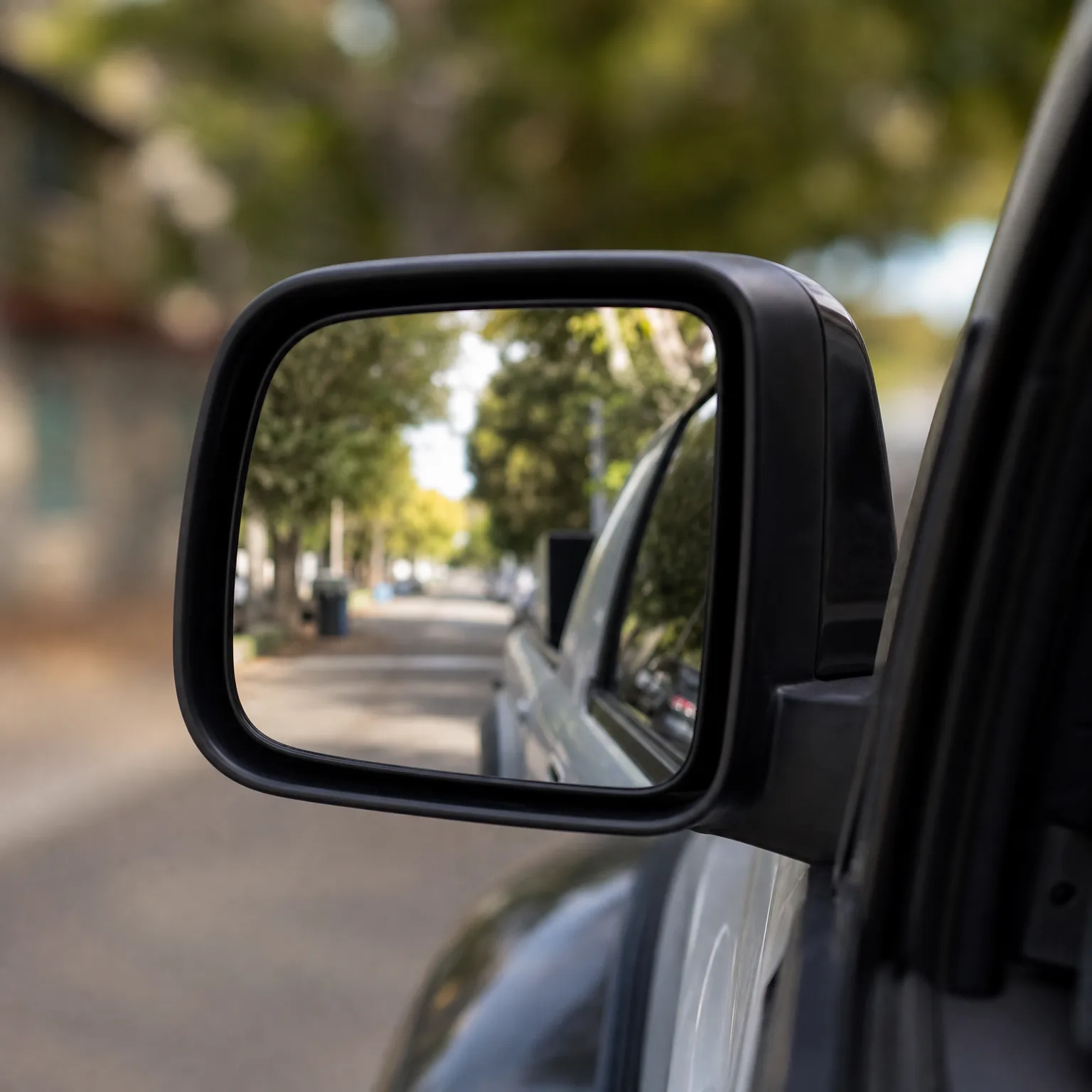
A driver hits a parked car after leaving a bar
A driver in his thirties left a friend's house after drinking and clipped a parked car two blocks from home. No one was hurt, but the parked car needed real bodywork and the police report noted signs of impairment, followed by a DUI charge. He called his insurer the next morning, worried they'd deny everything outright.
The insurer opened a claim and paid the parked car's owner for the damage, because liability coverage doesn't stop applying just because alcohol was involved. His own car's damage was handled separately under his collision coverage, since he had it. Months later, after the DUI conviction, his insurer sent a non-renewal notice and his next policy elsewhere cost more. The claim got paid. The relationship with that insurer did not survive it.
Can my insurer refuse to pay anything at all for the DUI accident?
Insurers rarely deny the entire claim outright, because liability coverage exists specifically to pay people you hurt or whose property you damage, regardless of why the accident happened. What changes is what happens after the payout, not whether it happens.
The exception is if you lied on your application, let an excluded driver use the car, or did something else that voids the policy independent of the DUI itself. Also check whether your policy has a specific exclusion for intoxicated driving, since a few do, and that's a document question, not a guess. Short of that, expect payment followed by consequences, not a flat refusal.

Should you call your insurer yourself or wait for the claim to surface
If you do
You report it right away and get ahead of the story, with your own account on record before the police report and other driver's claim arrive. Your insurer can start handling the claim promptly, and you avoid the appearance of hiding it, which matters if they question your honesty later.
If you don't
The claim surfaces anyway through the other driver or the police report, but now your insurer is piecing it together without your side first. Delay doesn't stop the payout or the consequences. It just means you lose the chance to explain anything or ask what comes next.
Now that you know the payout comes first and the rate hike later, compare quotes for what coverage costs next.
Will my insurance company drop me after a DUI accident claim?
Many insurers will non-renew or cancel your policy after a DUI, though the timing and whether they wait until renewal varies by insurer and by state. Check your state's rules on mid-term cancellation, since some states limit when an insurer can cancel outside of non-payment. If you weren't dropped, don't assume you're safe long term, since some insurers wait until the policy period ends to not renew.
How much will my car insurance go up after a DUI?
It will go up, often substantially, but the exact increase depends on your insurer, your state, and your driving history before this incident. Ask your current insurer directly what the renewal premium will look like, and get quotes elsewhere since increases vary a lot between companies. A first offense typically costs less than a repeat one, and how long ago it happened also factors in.
Can the insurance company sue me to get back what they paid out?
Yes, this is called subrogation, and insurers use it when they believe you were at fault and want to recover costs, especially in DUI cases where fault is clear. Check your policy for how subrogation works and whether a DUI conviction specifically triggers it. If you're facing criminal charges too, talk to an attorney, since the civil and criminal sides can affect each other.

The payout and the punishment are separate events. Expect both, not one or the other.