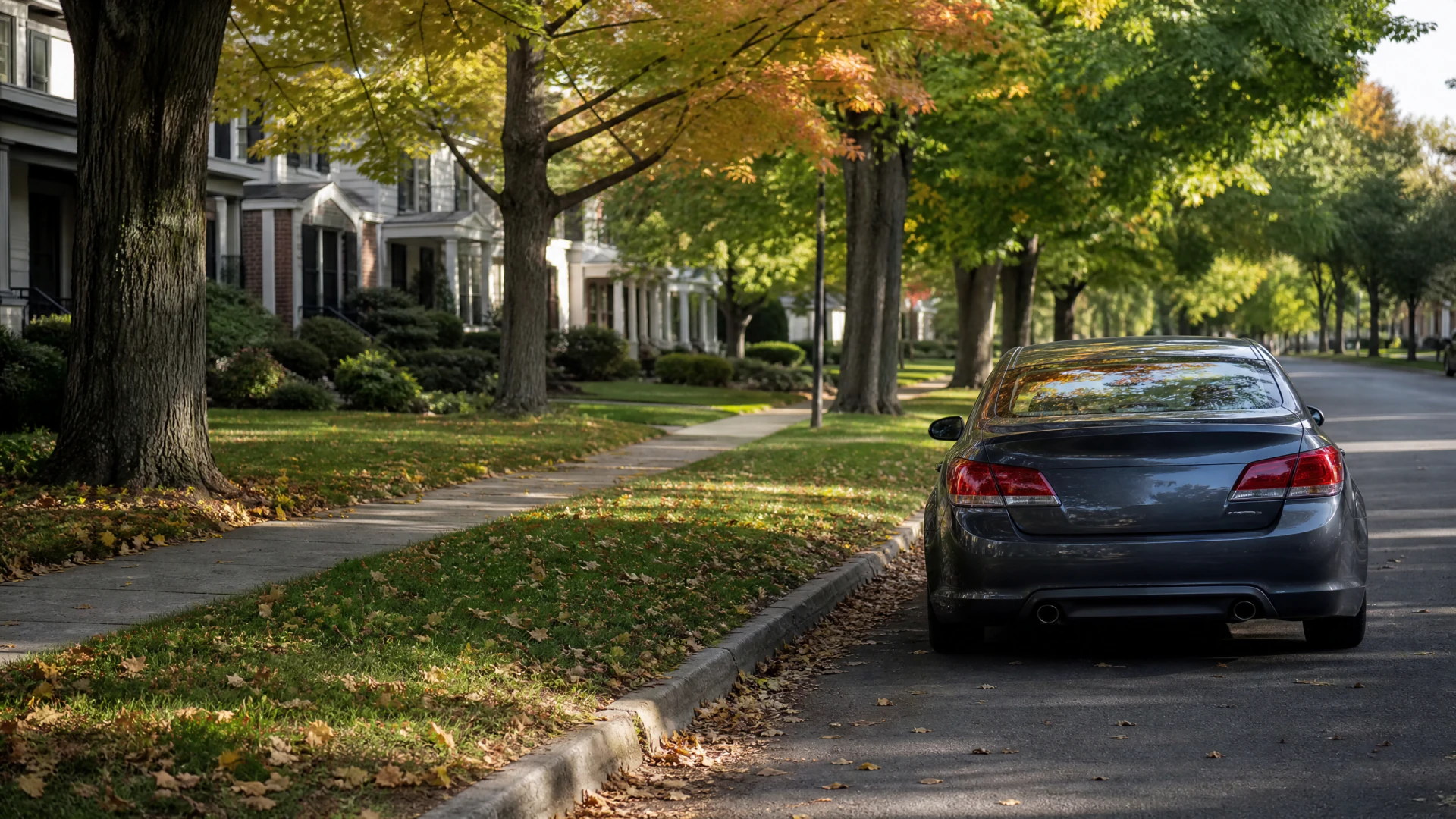
Will My Insurance Cover a Car I Borrowed
Usually the borrowed car's own insurance pays first, and yours only steps in behind it if there's a gap.
What decides whether you're covered
- Whose policy pays first The car's own policy almost always responds first, no matter who's driving. Ask the owner what coverage they carry before you borrow it, not after something happens.
- Permission matters Coverage usually depends on the owner having actually said yes. Get a clear okay, even a text message, so there's no question about permission later.
- Your policy as backup Your own insurance can sometimes add liability coverage on top of the owner's if their limits run out. Check your policy's wording on borrowed or non-owned vehicles so you know what it adds.
- Household cars are different If you live with the owner and drive their car regularly, insurers may expect that car listed on your own policy instead of treated as a one-time borrow. Tell your insurer about regular access so a claim doesn't get denied.
- Excluded drivers If the owner specifically excluded a driver on their policy, that exclusion holds even with permission. Ask directly if anyone is excluded before you get behind the wheel.
Borrowing a friend's car for a weekend
You needed a car for a weekend trip, so a friend lent you theirs. Before you left, you asked what coverage they carried and confirmed in a text that you had permission to drive it. That text turned out to matter more than you expected.
On the drive back, another driver clipped your friend's car at a light. Your friend's insurer opened the claim and covered the damage, since the car's own policy responds first regardless of who's driving. The other driver's insurer argued briefly about fault, but the text confirming permission settled any question about whether you were allowed to be driving the car at all. Your own policy was never touched, because the damages stayed within your friend's limits. The whole thing was decided by the car's coverage, not yours, and having the permission documented saved a week of back and forth.
What if the damage is more than the owner's policy covers?
Then your own policy can sometimes pick up what's left, but only if it includes coverage for driving a vehicle you don't own and the limits are high enough to matter. This is worth checking before you ever borrow a car, not after a serious accident when it's too late to change anything.
If your policy doesn't extend to non-owned vehicles, or your liability limits are low, you could be personally exposed for the gap. Call your insurer and ask specifically how borrowed-car claims work under your policy, since the answer depends on wording that varies by insurer and sometimes by state.
Now that you know how this coverage works, compare quotes with liability limits high enough to borrow confidently.

Should you check coverage before you borrow the car
If you do
You ask the owner about their coverage, confirm permission in writing, and check your own policy's rules on non-owned vehicles. If an accident happens, both policies respond the way you expected, and there's no argument about whether you were allowed to be driving.
If you don't
You borrow the car assuming it'll work out fine. If something happens, you may find the owner's limits are too low, your own policy excludes borrowed cars, or permission is disputed, leaving you responsible for costs nobody planned for.
Does it matter if I'm not related to the car owner?
No, insurance doesn't generally care about your relationship to the owner, only about permission and how often you drive the car. A one-time borrow from a friend, roommate, or partner works the same way. What changes the answer is regular access, since insurers expect a car you drive often to be listed on a policy, regardless of who owns it or how you're connected.
What happens if I get in an accident driving a car that isn't insured?
You and the owner could both be personally responsible for the damages, since there's no policy to respond first. Check whether the car is actually registered and insured before you drive it, not just whether the owner says it is. This changes everything about your exposure, so it's worth confirming directly rather than assuming.
Can the owner's insurer refuse to pay because I was driving?
Yes, if you weren't given permission, if you're an excluded driver on their policy, or if you drive the car so often that insurers would expect it listed separately. Ask the owner directly about any exclusions and get permission confirmed in some form. Without that, a claim can be denied even if the accident wasn't your fault.