Will My Car Insurance Go Up if I Change Address
Your rate can go up, down, or stay the same, because it's your new address's risk that counts, not the move itself.
Moving in together across town changed the bill
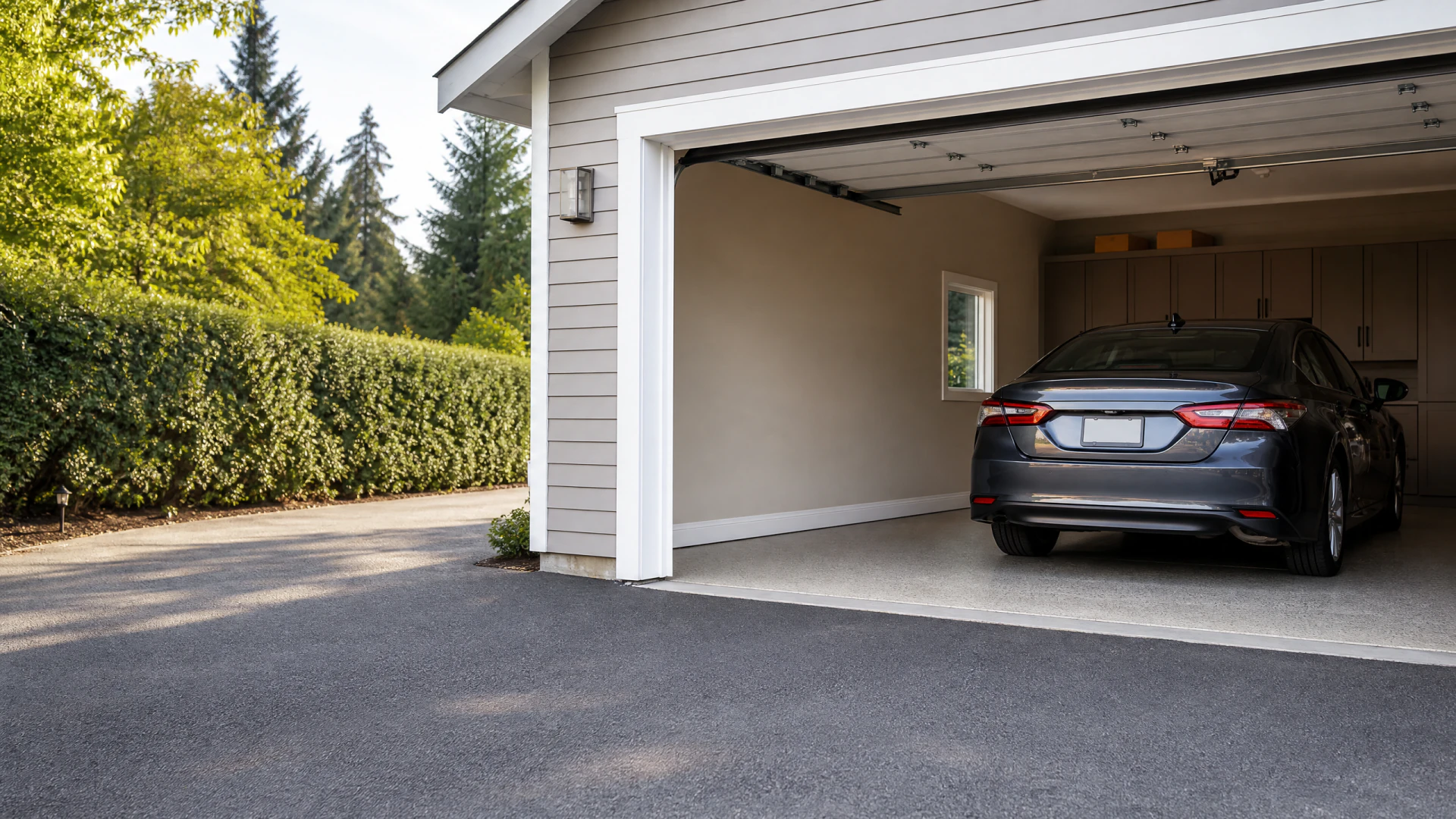
One partner owned the car and the policy, and moved from a quiet suburb into the apartment the other partner already rented near downtown. The car now sat on a street instead of in a driveway, and the new zip code had more claims and thefts reported in that insurer's data. When the move was reported, the rate went up, not because anyone's driving changed, but because the car now lived somewhere riskier overnight.
They considered not reporting it, since the policy was still in one name, but that risk wasn't worth it. An unreported address can cause a claim to be questioned or denied later. They called, updated the address, and asked what would happen if the other partner was added as a driver too. That changed the picture again, since the other partner's clean record and years of experience actually helped. The new total was higher than before the move, but lower than either of them expected, and now both were properly covered if either one was driving.
Does moving in with my partner mean I have to combine policies?
No. Address changes and policy combining are separate decisions. You can update your address, even share a car, and still keep two separate policies with two separate insurers if that works better for you.
Combining makes sense when it lowers the total cost or simplifies claims, but it isn't required just because you share a home or a car now. What matters for the rate change itself is the address and who's listed as a driver. Keep those decisions apart in your head, check both, and pick whichever combination actually costs less for your situation.

Now that you know what your new address will do to your rate, compare quotes to see the actual number.

Report the address change or wait until renewal
If you do
You get an accurate rate right away, and any claim you file is protected because your policy matches where the car actually lives. If the new address lowers your risk, you may see savings immediately instead of waiting months for renewal to catch up.
If you don't
Your policy still shows the old address, and a claim could be delayed or denied if the insurer finds out the car was garaged somewhere else. You'll eventually have to report it anyway, and back charges or a lapse in accuracy can complicate things later.
It's about where the car sleeps, not that you moved
Insurers price risk based on where your car is parked overnight, how often it's driven, and what happens to cars in that area. A move changes all three, even if your driving habits don't change at all. That's why the same person, same car, same driving record can see a different rate just by changing zip codes.
Denser areas with more traffic, theft, or claims tend to cost more to insure. Quieter areas with lower claim rates tend to cost less. Moving from a house with a garage to a street with no off-street parking matters too, since a parked car exposed to weather and traffic is a different risk than one locked away overnight.
For a couple moving in together, there's a second layer. If you add your partner as a listed driver at the same time, their driving record, experience, and history get factored in alongside the address change. Sometimes that offsets the higher cost of a riskier area, and sometimes it adds to it. The two changes get bundled into one new number, so it's worth asking the insurer to break out what each piece contributed.
This is also where state rules and individual insurer practices genuinely differ. Some states limit how heavily an insurer can weigh location. Some insurers reassess more aggressively than others when an address changes mid-term. Ask directly how your state and your insurer handle this, since the general pattern holds everywhere but the specifics don't.
The address change moves your rate. Decide about combining policies separately from reporting where you live.