Whose Insurance Pays if You Crash Someone Elses Car
The car's own insurance pays first, no matter whose hands were on the wheel when it happened.
Driving your partner's car to the store
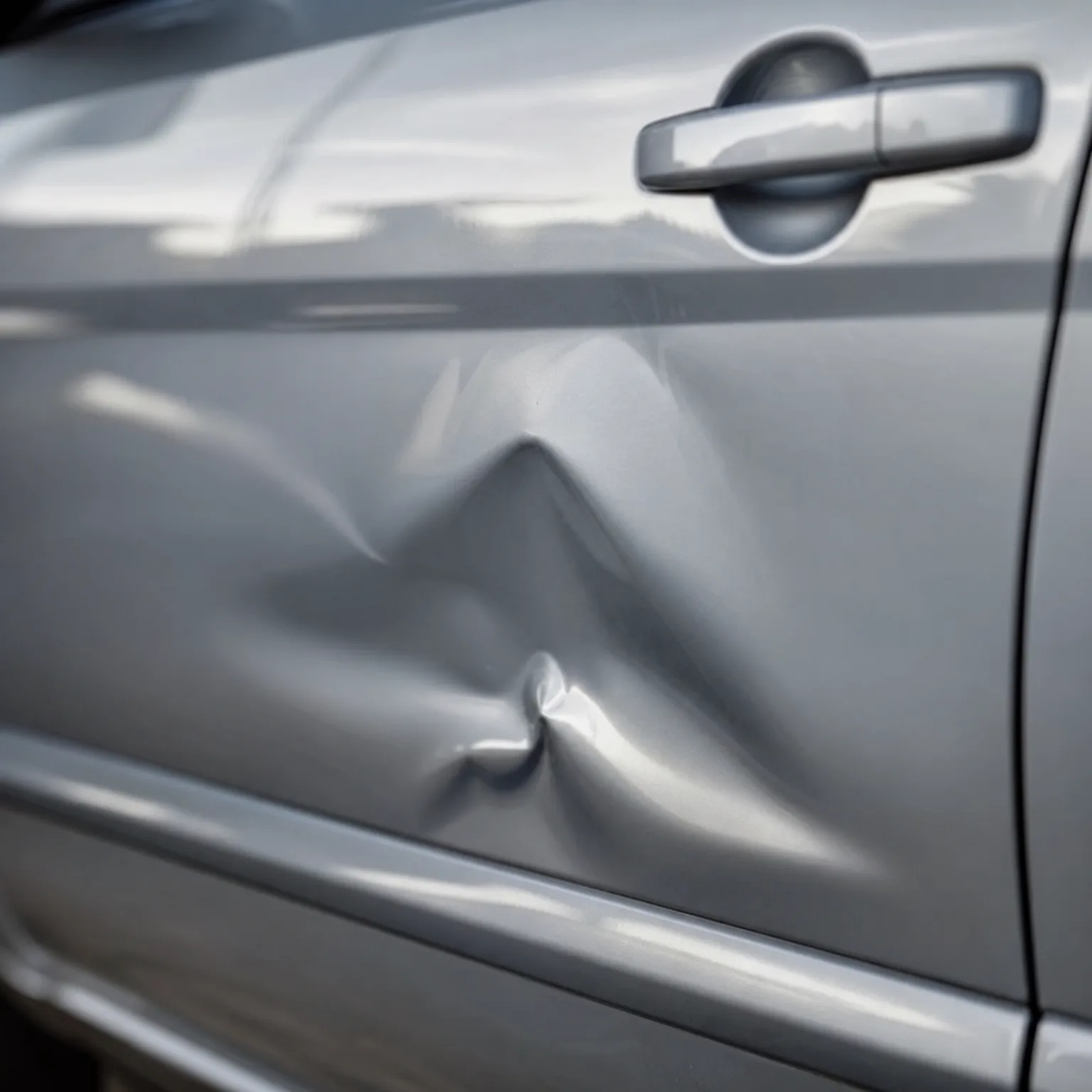
Say you borrow your partner's car to run an errand, something you do casually and without asking first because you live together and it's never been a formal arrangement. You back out of a parking spot and clip another car. No one's hurt, but there's real damage on both vehicles.
Your partner's insurer gets the claim, because their policy follows the car. You're a permissive driver, someone they allowed to use it, even though it was never said out loud. The claim gets handled under their coverage, including the deductible. Afterward, you both check whether your own policy would have paid anything extra if the damage had gone beyond what their policy covers, and you realize you'd never actually compared the two before this happened.
Does the owner's rate go up even though they weren't driving?
Usually, yes. The policy is tied to the car and the person who owns it, so a claim on that policy affects that policy's history regardless of who was behind the wheel. Insurers price risk based on the vehicle and the household it belongs to, not just the individual driving at the time.
This is exactly why couples sharing cars worry about one person's driving affecting the other's rate. If you're driving each other's cars regularly, that risk runs both ways. The fix isn't to stop driving each other's cars, it's to know ahead of time whose name is on what, and to check with each insurer how they'd handle a claim involving the other partner specifically.
Now that you know whose policy answers first, compare quotes that reflect how you actually share your cars.

Whether you tell your insurer the whole household drives both cars
If you do
Your insurer prices the policy for how the car is actually used. If something happens while your partner is driving, there's no surprise and no argument about whether they were covered. Claims move faster because the insurer already expects this.
If you don't
If your insurer later learns someone they didn't know about drives the car regularly, they can question the claim or deny part of it. You could end up paying out of pocket for damage you assumed was covered, right when you can least afford it.
The car's policy is the first line, not the driver's
Insurance in nearly every state follows the vehicle first. The policy on the car responds to a claim before any policy belonging to the driver does, as long as the driver had permission to use it. This is why the question isn't really whose fault the crash was, it's whose name is on the car's title and policy.
Permission is the quiet condition underneath all of this. If you have an understood arrangement where you each drive the other's car, most insurers treat that as permission even without a formal agreement. But if the driving is occasional and never discussed with the insurer, that's where disputes start. An insurer can ask why someone not listed on the policy was driving regularly, and the answer matters.
Your own policy usually only comes in as a backup. If the damage or injury costs more than the car's policy covers, your own coverage can step in to cover the rest, assuming you have the right kind of coverage for that. This is where it matters whether you've combined policies, kept them separate, or added each other as drivers, because each setup changes what backup is actually there.
What varies by state and insurer is how strictly they define permission, how they treat a live-in partner who isn't a spouse, and whether a resident of the household is automatically assumed to have permission to drive any car in that household. Check your policy's language directly, and ask your insurer how they'd treat your specific living situation before you need to find out the hard way.
The car you're driving matters more than whose name is on your own policy.