Whose Insurance Pays if You Borrow a Car
The car's own insurance pays first, and your policy only steps in if that coverage runs out.
Coverage follows the car, not the driver
Insurance in almost every state is written to protect the vehicle itself. When you borrow a car with the owner's permission, their policy is the one that responds first if you cause an accident while driving it. Your own policy sits behind theirs, ready to cover costs that go beyond what the owner's limits pay.
This setup exists because the owner chose their coverage based on the car they own and the risk of someone driving it. Insurers expect that risk to include occasional permitted drivers, not just the named policyholder. That's why letting a friend or partner borrow your car once in a while doesn't usually require adding them to your policy.
Where it gets less simple is permission and regularity. If you drive someone's car often enough that it looks like a regular arrangement, some insurers expect that driver to be listed on the policy, and they can push back on a claim if they weren't. Rules about how often is too often vary by insurer, so it's worth asking directly rather than guessing.
It also matters whether you had permission at all. Driving a car without the owner's okay can shift the situation entirely, sometimes leaving the driver without coverage from either policy. And your own policy's limits still matter even as the backup, so if the owner's coverage is thin, you could end up paying out of pocket for the rest.

The short version
The borrowed car's insurance pays first if you cause damage while driving it, and your own policy backs it up for anything beyond that. This only works smoothly with the owner's permission and occasional use. If you drive that car regularly, ask the owner's insurer whether you need to be added.
Does my rate go up if I cause an accident in someone else's car?
It can. Even though the owner's insurance pays first, the accident still happened while you were driving, and insurers look at who was behind the wheel, not just whose policy paid out. If your own policy had to step in to cover costs beyond the owner's limits, that claim is now part of your history too.
How much this affects your rate depends on the insurer, the size of the claim and your own driving record. Some insurers weigh fault accidents heavily regardless of whose car it was. Others focus more on whether you personally filed a claim. Ask your insurer directly how they handle accidents in borrowed vehicles before you assume the answer either way.
Once you know whose policy pays first, compare quotes that reflect how often you actually drive other people's cars.

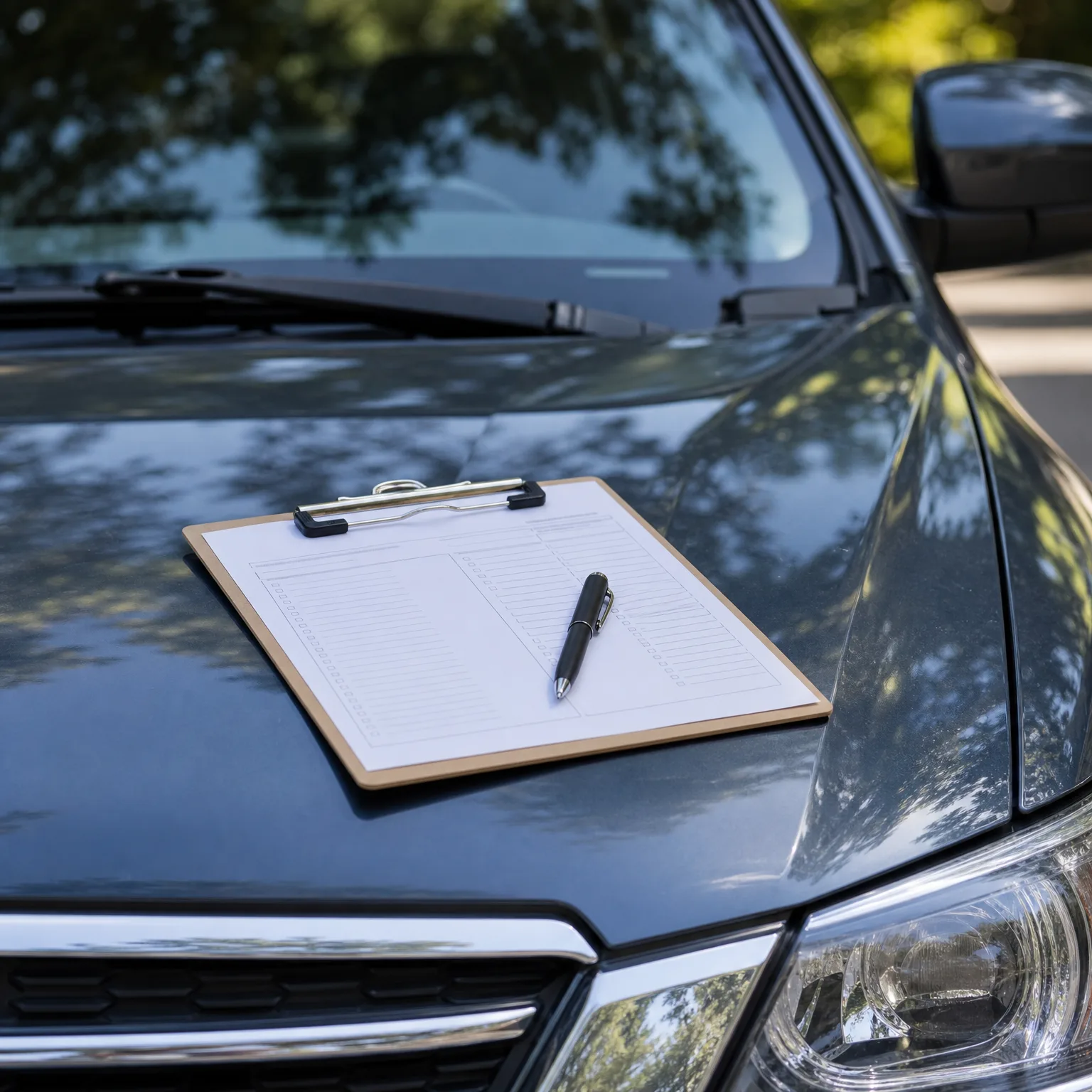
What decides whose policy pays
- Permission to drive If the owner said yes, their insurance is first in line for damage you cause. Always get a clear yes before you drive, not an assumption.
- How often you borrow it Occasional use is covered under the owner's policy without extra steps. Frequent or regular use may require you to be added, so ask the owner's insurer what counts as too often.
- Your own policy's role Your insurance can cover costs beyond what the owner's policy pays. Check your own limits so you know what gap you'd be filling.
- State and insurer rules How permissive use works can vary by state and by insurer. Call the owner's insurer before relying on an assumption that isn't written down anywhere.
- No permission changes everything Driving without the owner's okay can leave you without coverage from either side. Never treat 'they probably wouldn't mind' as the same as asking.
The car carries the coverage, not the driver, so permission decides whose policy actually pays.