Who Is Responsible if Your Friend Crashes Your Car
Your car insurance is the one that pays first, since coverage follows the car, not the person driving it.
What decides who's responsible when a friend wrecks your car
- Your policy pays first Car insurance almost always follows the vehicle, not the driver. If your friend was driving with your permission, your policy is the one that responds to the claim.
- Permission matters a lot If you handed over the keys or regularly let your friend drive, that counts as permission. If they took the car without asking, your insurer may treat it differently, so be ready to explain the situation honestly.
- Their insurance can back you up If your friend has their own policy, it may offer secondary coverage once your limits are used up. Ask your friend for their insurance information after any accident, just in case.
- Your rate may still rise Even though it wasn't your fault behind the wheel, the claim is tied to your policy and your car. Expect the possibility of a rate increase and decide in advance how you feel about that risk.
- Check your policy's rules Some insurers limit coverage for non-household drivers or require you to list frequent drivers. Call your insurer and ask directly who is and isn't covered on your car.
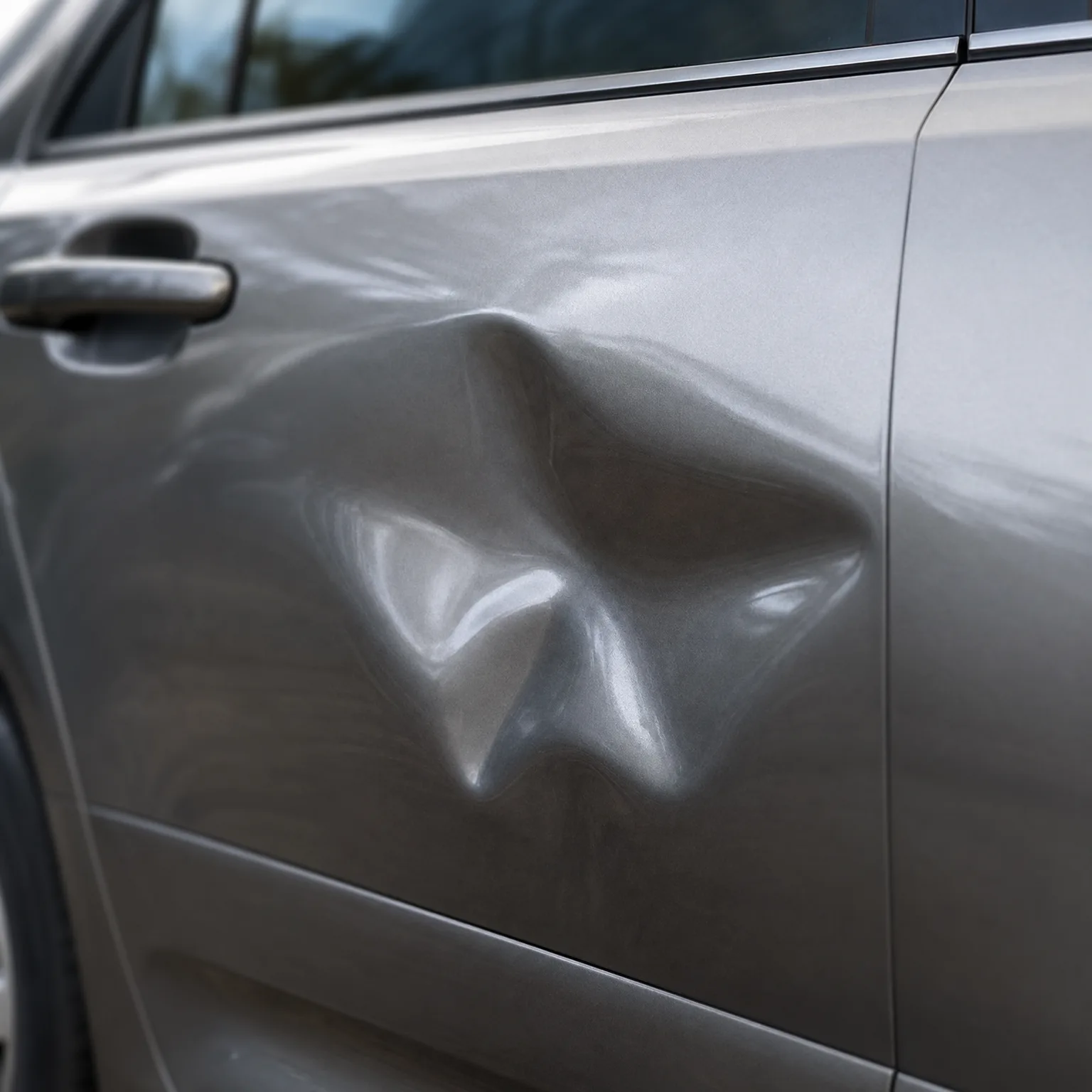
Your friend borrows your car for a weekend and gets into an accident
You lent your car to a friend for the weekend because their car was in the shop. While driving to pick up groceries, they rear-ended another car at a stop sign. Nobody was hurt, but both cars needed repairs. Your friend called you right away, and you both exchanged information with the other driver at the scene.
When you filed the claim, your insurer confirmed that since you'd given permission for your friend to drive, your policy was primary. The claim paid for the damage to both cars, minus your deductible. Your friend felt terrible about the rate increase that followed at renewal, and offered to help cover the extra cost. You appreciated the gesture, but the claim stayed under your name and your policy, exactly as your insurer explained from the start.
What if my friend doesn't have their own car insurance at all?
Your policy still responds first, since it's tied to the car, not to any backup coverage your friend might have. Without their own insurance, there's no secondary policy to step in once your limits are reached, so you could be more exposed if the damage or injuries are severe.
This is worth thinking about before you hand over your keys, not after. If you regularly lend your car to someone without insurance, consider raising your liability limits or asking your insurer about an umbrella policy. It's also reasonable to ask a friend directly whether they're insured before letting them drive, especially for a longer trip or unfamiliar roads.
Now that you know your policy carries the risk, compare quotes that give you the coverage limits to match it.

Do you confirm your friend is covered before handing over the keys
If you do
You ask about their insurance, confirm your own coverage limits, and know your policy will respond first. If something happens, you're not surprised by the claim process or the rate impact, and you've already decided what risk you're comfortable taking on.
If you don't
You assume everything will be fine and skip the conversation. If an accident happens, you're left explaining permission to your insurer after the fact, hoping your limits are high enough, and finding out about the rate increase only at renewal.
Why the car's policy covers the accident, not the driver's
Car insurance is built around the vehicle because that's the asset being insured. The policy covers damage and liability connected to that specific car, so whoever is behind the wheel with permission is generally extended the same protection the owner has. This is why letting a friend borrow your car is different from a stranger simply being in an accident involving your vehicle without your knowledge.
Permission is the real hinge point. Insurers want to know whether the owner allowed the use of the car, because that determines whether the policy was engaged in good faith. A one-time loan to a friend, a regular arrangement, or an explicit refusal followed by someone taking the car anyway are all treated differently, and insurers will ask questions to sort out which situation applies.
The friend's own insurance can still matter, even though it isn't primary. If the damages exceed what your policy covers, their policy may provide secondary protection, which is part of why exchanging insurance information after any accident is standard practice, not just a formality. Without that backup, you could be responsible for costs beyond your limits.
There are exceptions worth knowing about. Some policies exclude certain drivers by name, restrict coverage to household members, or treat regular borrowers differently from occasional ones. Business use of a personal vehicle can also change things. None of this is universal, so the only way to know your exact situation is to read your policy or call your insurer and ask plainly who is covered when they're behind the wheel.