Who Is Liable if Someone Borrows Your Car
In almost every state, the car's insurance pays first, no matter who was behind the wheel with your permission.
Your policy follows the car, not just you
Car insurance is written to the vehicle first and the driver second. When you let someone borrow your car, you're extending permission to use something your policy already protects, and that policy responds to the accident regardless of whose name is on the license. This is sometimes called permissive use, and it's standard across insurers, though the exact wording and any exclusions live in your policy's language.
Your liability coverage pays for damage or injury the borrower causes to other people or property, up to your policy's limits. If the costs go beyond what your policy covers, the borrower's own insurance can sometimes step in as secondary coverage, filling the gap. This is why it matters not just that you have coverage, but how much.
There are situations where this breaks down. If you didn't actually give permission, meaning the car was taken without your knowledge, your insurer may treat it differently, closer to theft than to a loan. If the person driving isn't someone you'd reasonably expect to drive your car, some insurers look harder at whether permission was implied or explicit. And if you two share a household and only one of you is listed on the policy, insurers can sometimes argue the unlisted partner should have been disclosed, which can complicate a claim.
State rules on minimum coverage and on how secondary insurance applies vary, so check your policy documents or ask your insurer directly how borrowed-car claims are handled where you live.
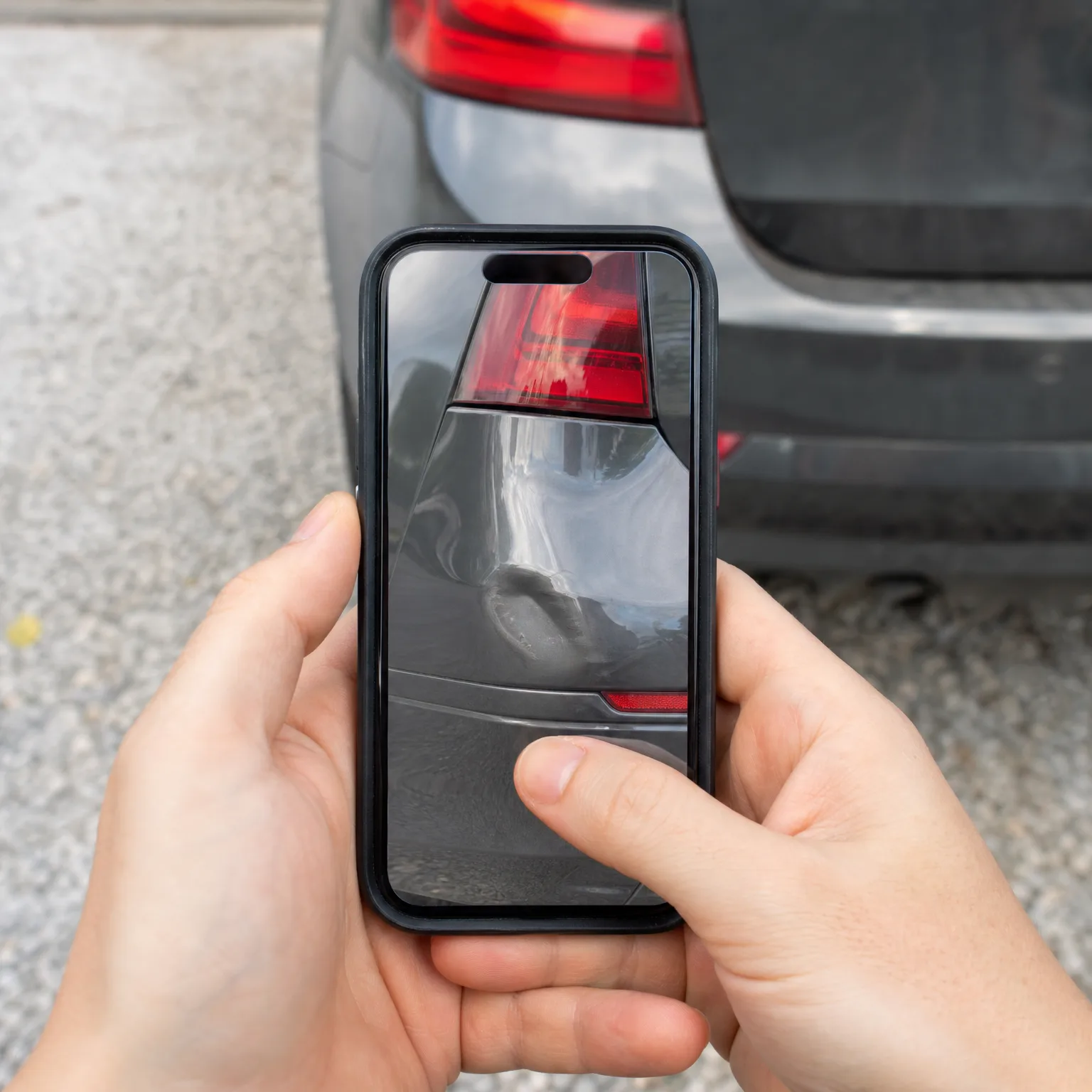
What actually determines who pays
- Permission matters most If you said yes, even casually, your policy generally treats the borrower as covered. Keep that permission clear, even if it's just a text message, in case questions come up later.
- Your limits are the first line Your liability limits apply first, regardless of who was driving. If your limits are low, a serious accident could leave both of you exposed to out-of-pocket costs.
- The borrower's policy can help If damages exceed your coverage, the borrower's own insurance may pay the remainder. Ask your partner what their liability limits are, not just whether they have insurance.
- Frequent use changes the math If someone drives your car regularly, insurers may expect them listed on your policy. Add them if this is a regular arrangement, not an occasional favor.
- Unlisted drivers raise questions An unlisted household member driving often can trigger questions about undisclosed drivers. Check with your insurer about what counts as a reportable driver in your home.
Once you know how your policy treats a borrowed car, compare quotes to find coverage that actually protects both of you.
Does my rate go up if my partner causes an accident in my car?
It can, because the claim is filed against your policy first. Insurers price your policy based on the risk your car represents, and an at-fault accident, regardless of who was driving, is typically counted against that history.
Whether your rate actually increases depends on your insurer's rules, the severity of the claim, and your state's regulations on how accidents affect renewal pricing. Some insurers are more lenient with first accidents or accidents involving permitted drivers. Ask your insurer directly how they handle claims involving non-policyholder drivers, since this varies enough that assuming either outcome could leave you surprised.
The real question isn't who was driving, it's whether your limits are high enough for both of you.
Should I add my partner to my policy even if they rarely drive my car?
If they drive occasionally with permission, you likely don't have to, but disclosing them may still be wise. Insurers differ on how they define occasional versus regular use, and misclassifying it can create problems during a claim. Call your insurer and describe the actual pattern of use, then let them tell you whether adding your partner is required or simply recommended for clarity.
What happens to the car insurance if we break up and only one name is on the title?
Whoever owns the car keeps the insurance obligation, since policies are tied to the vehicle and its owner, not the relationship. The other partner's coverage, if they had any through you, typically ends when the arrangement does. Before separating, check the title and registration together, and make sure whoever keeps the car also updates the policy to remove the other person as a listed driver.
Can my partner be sued personally even if my insurance pays the claim?
Yes, if damages exceed your policy's limits, the injured party can pursue the at-fault driver directly, including your partner. This is more likely after serious accidents with significant injuries. Check your liability limits now, and consider an umbrella policy if you want more protection than your current limits provide for either of you.