Who Gets the Money After a Car Accident
The money goes to whoever owns the car, holds the title, or is owed money on it, not just whoever was driving.
Who the check is made out to depends on these facts
- The title holder If one of you owns the car outright, the insurer pays that person first. The other partner's name on the policy doesn't change who legally owns the vehicle.
- A lender on the car If the car is financed or leased, the lender is usually listed as a loss payee and gets paid before either of you sees money. Check your loan paperwork to see who's listed.
- The injured person Medical payouts go to whoever was hurt, regardless of who owns the car or who was driving. This is separate from the payout for the vehicle itself.
- Joint owners If both your names are on the title, the insurer typically cuts a check to both of you. Ask your insurer how they handle a check with two names if you're not sure it'll be easy to cash.
- The repair shop For many claims, especially with a lender involved, the insurer pays the shop directly instead of either partner. This avoids the question of who holds the money.
One partner's name was on the loan, the other drove it daily
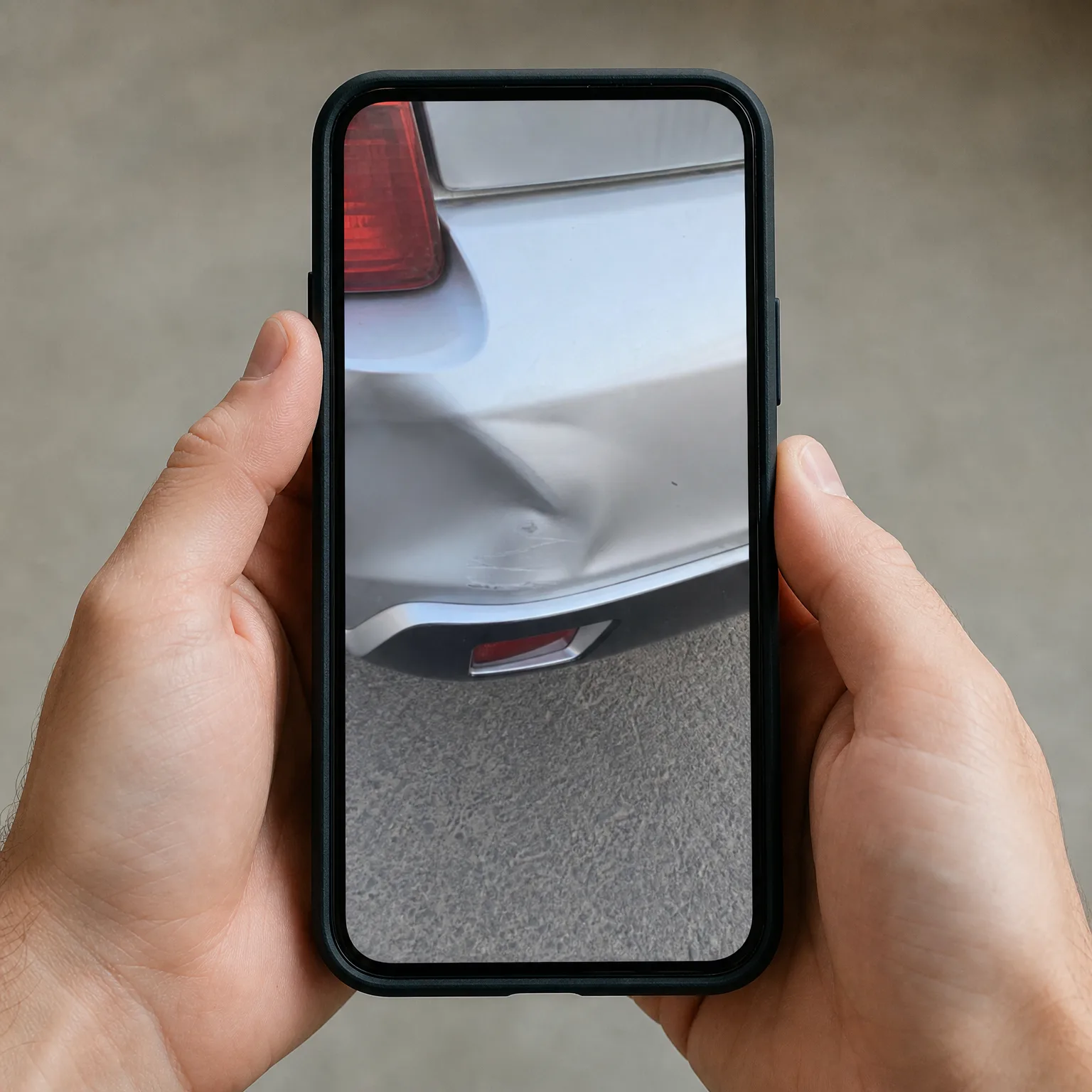
A couple shared one car. The woman's name was on the loan and the title, but her partner was the one who mostly drove it to work, and he was behind the wheel when another driver hit them. The car was declared a total loss. They worried about who the insurer would actually pay, since he was driving but she technically owned the car.
The insurer looked at the title and the loan, not who was driving. Because the car wasn't paid off, the check went first to the lender to settle the remaining balance, and the leftover amount was issued to the woman as the titled owner. Her partner wasn't entitled to any of that payout directly, even though the accident affected him too and he'd been making some of the payments informally. They used the leftover money, decided together how to replace the car, and this time put both names on the new title to avoid the same confusion.

Deciding whether to put both names on the title
If you do
If you both go on the title, any payout for the car is split or issued jointly, which matches how you actually use and pay for it. It also means both of you have a say if one person wants to sell or replace the car later.
If you don't
If only one name stays on the title, that person legally owns the car and receives any claim payout alone. The other partner has no legal claim to the money, even after years of shared payments or daily use.
Now that you know who the payout goes to, compare quotes that match how you and your partner own and use the car.
What if we both paid for the car but only one name is on the title?
The insurer still pays the person named on the title, not whoever contributed money over time. Informal payments, shared bank accounts, or splitting costs evenly don't create legal ownership in the eyes of an insurer or a court.
If this feels unfair given how you actually split costs, the fix isn't with the insurance company, it's with the title itself. You can add both names to the title through your state's motor vehicle agency, often for a modest fee, and that becomes the record insurers rely on going forward. Until that's done, the person on paper is the person who gets paid, no matter what arrangement you've worked out privately. If you're not currently on the title and want to be, ask what your state requires, since a lender may need to approve the change if the car isn't paid off.
The payout follows paperwork, not fairness, so whoever's name is on the title is whoever the insurer pays.
Can my partner cash a claim check if only my name is on the title?
Generally no, because the check is issued to the legal owner, and banks typically require the payee's own endorsement or ID to cash or deposit it. If your partner needs access to the funds, you'd usually need to deposit it yourself and then transfer money, or add their name to the account the check is deposited into. Ask your insurer how they issue checks when a lender or joint owner is involved, since practices vary by company.
Does it matter whose name is on the insurance policy versus the title?
Yes, and they serve different purposes. The title determines ownership and who gets paid for the vehicle, while the policy determines who's covered to drive it and whose record affects the rate. You can be a listed driver on a policy without owning the car, and you can own a car without being on the policy at all, so check both documents separately if you're unsure where you stand.
What happens to the payout if we break up before the claim is settled?
The payout still goes to whoever is on the title regardless of the relationship status, since ownership doesn't change because a relationship ends. If you're going through a breakup during an open claim, it's worth deciding in writing how any payout will be handled between you, since the insurer won't mediate that for you.