
When to Notify Your Car Insurance After Moving In Together
Notify your insurer as soon as you're sharing an address or a car, not after something goes wrong.
Insurers care about who drives the car, not your relationship status
Car insurance is built around risk, and risk changes the moment someone new has regular access to your vehicle. Insurers don't ask whether you're married. They ask who lives in the household and who might reasonably drive the car. Once your partner moves in, that answer changes, whether or not you've put their name on anything.
This is why timing matters more than the relationship label. If your partner is listed as a driver and something happens while they're behind the wheel, an unreported change in address or household can give the insurer grounds to question the claim. The policy is a contract built on accurate information, and a live-in partner using the car regularly is information they expect to have.
What counts as reportable varies by insurer and by state. Some treat a live-in partner almost like a spouse for coverage purposes once they're sharing a residence. Others only care if that person is actually driving the car with some regularity. Check your policy's language on household members and permissive use, because that's where the real rule lives, not in general assumptions about couples.
The cases where this plays out differently usually involve how often the car is shared. If you truly never drive each other's cars and keep separate insurance entirely, some insurers are more relaxed about reporting the move. But most couples underestimate how often they actually swap cars, which is exactly the gap that causes problems later.

What to report and when
- Report the move immediately Tell your insurer as soon as your address changes or you start sharing a residence. This starts the clock on getting coverage correctly aligned with your actual household.
- Name every regular driver If your partner drives your car with any regularity, their name likely needs to be on the policy. Call and ask directly rather than guessing.
- Ask about household rules Insurers differ on how they define a covered household. Ask specifically how they treat unmarried partners sharing an address.
- Clarify the car's title If one of you owns the car outright, know that ownership and insurance coverage are separate questions. Confirm both are handled, not just one.
- Revisit if you separate If you move apart later, report that too. Leaving an ex-partner on your policy after you've split creates its own risks.

Telling your insurer now versus waiting
If you do
You call and update your address and household details. The insurer asks who else drives the car and adds your partner if needed. Your rate may shift, but your coverage now matches reality. If there's ever a claim, there's no question about who was covered or why.
If you don't
You keep the policy as is, with only your name on it. If your partner drives the car and gets into an accident, the insurer may investigate who the regular drivers are. Finding an unreported household member can delay a claim or reduce what's paid out, right when you need the money most.
Now that you know when to notify your insurer, compare quotes to see how adding your partner actually affects your rate.
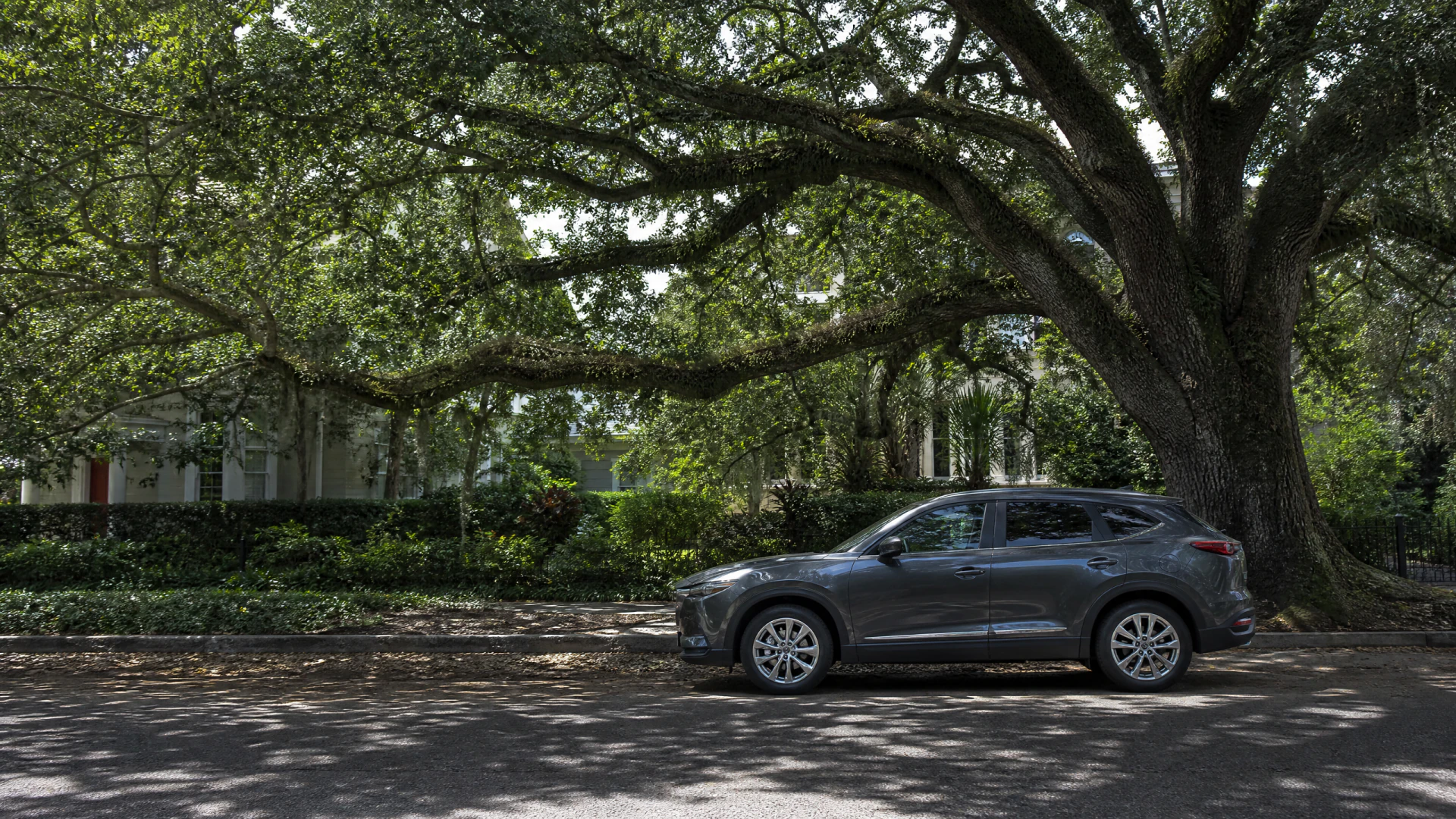
A couple who shared one car for a year before updating anything
Two partners moved in together and kept using the car that was already titled and insured in one person's name. The other partner drove it several times a week, mostly errands and commuting, but his name never went on the policy because neither of them thought to ask whether it mattered. They assumed that since they weren't married, the insurance company had no reason to know or care about their living situation.
A year in, the partner who wasn't listed was in a minor accident on the way to work. The claim process turned into a longer conversation than expected, because the insurer wanted to know how often he drove the car and why he wasn't listed as a household member. The claim was eventually paid, but only after documentation and delay that wouldn't have been necessary if they'd updated the policy when they moved in. Afterward, they called their insurer, reported the household change, and added him as a listed driver. Their premium went up slightly, but the next time either of them drives the car, there's no ambiguity about who's covered.

Your insurer cares who drives the car, not what you call each other, so report the change now.