What if Someone Else Driving My Car Gets Pulled Over
A traffic stop checks the car and the driver, so your insurance covers them as long as you gave them permission to drive.
Your policy follows the car, not just you
Car insurance is built around the vehicle first. Most policies extend to anyone you give permission to drive, whether that's your live-in partner, a friend, or family. So when an officer runs the plate and the insurance card, they're checking that the car itself is covered, not necessarily who's behind the wheel.
That permission matters more than most people realize. If you've told your partner they can drive the car, even informally, that's usually enough. Insurers call this permissive use. Problems show up when someone drives without ever being given permission, or when a household member drives regularly without being listed on the policy at all, since insurers expect regular drivers to be named.
What happens next depends on what the stop is for. A routine stop, like a broken taillight, usually ends with a warning or citation tied to the driver, not the car's owner. But if there's an accident, or the officer questions why an unlisted driver is behind the wheel often, that's when insurers start asking questions about who normally drives the car.
This is also where rules vary. Some states and insurers draw a hard line between occasional use and regular use, and some policies have specific language about resident relatives or household members. If you and your partner share the car often, it's worth checking your policy's definition of who's covered and asking your insurer directly how they'd view your specific arrangement.
What actually determines what happens
- Permission to drive If you told your partner they could drive the car, that's usually enough for coverage to apply. Keep that understanding clear between you, even if it's never been written down.
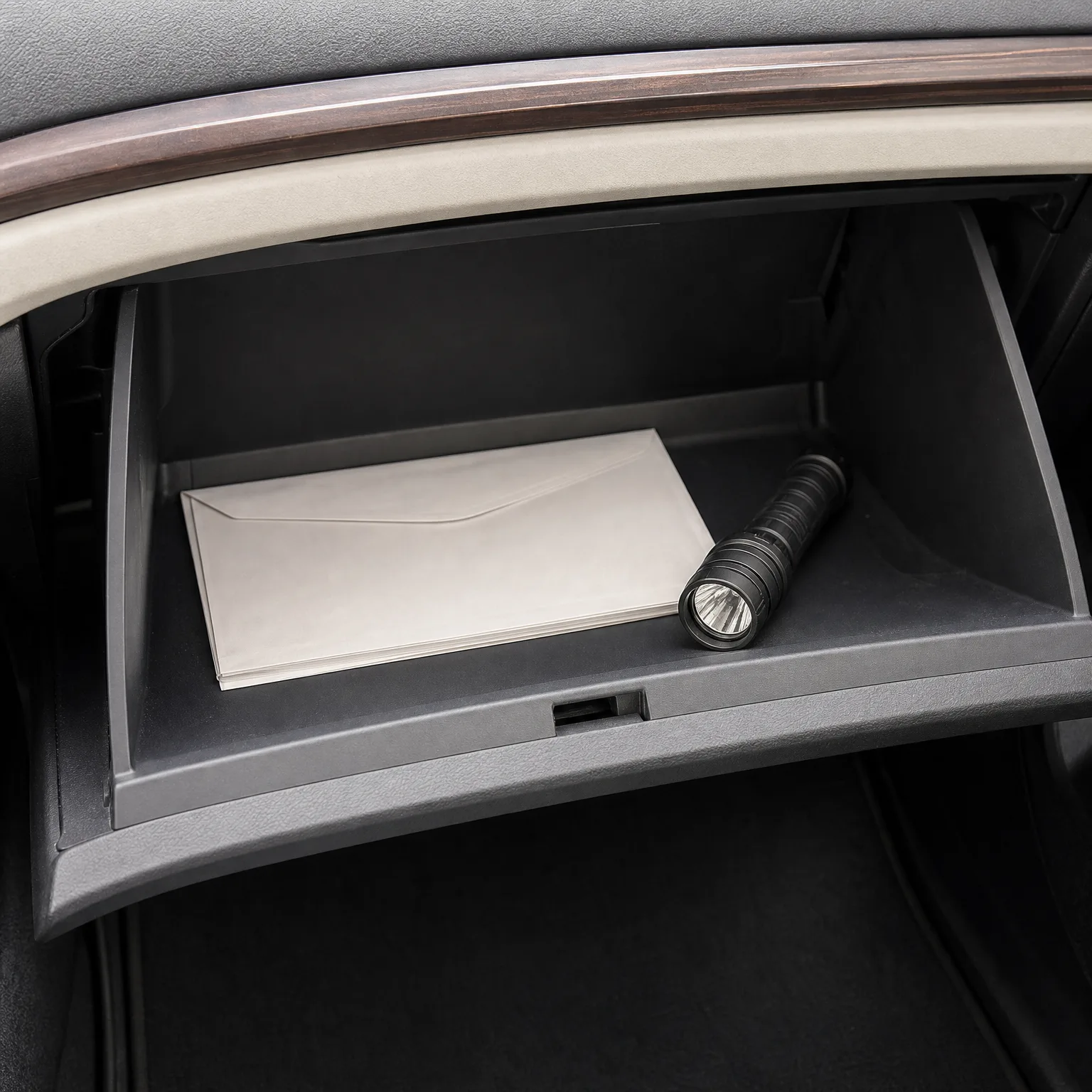
- Insurance card in the car Whoever is driving needs to show proof of insurance at the stop. Keep a current copy in the glove compartment so it's never an issue.
- Citations follow the driver A ticket for speeding or an equipment violation is written against the driver, not the owner. It won't automatically appear on your record just because it's your car.
- Frequent driving changes things If your partner drives the car regularly, insurers expect them listed on the policy. Check your policy's rules on household or resident drivers to avoid a coverage gap.
- Accidents raise more questions A stop alone rarely triggers a deep review, but a crash does. Make sure both of you know what to say and who to call if it happens.

Whether you list your partner as a driver
If you do
Your insurer already knows your partner drives the car regularly. If they're pulled over, or in an accident, there's no question about whether coverage applies. Your rate reflects reality, which can raise or lower it, but there won't be any gap to worry about later.
If you don't
Occasional use is usually fine, but if your partner drives often and isn't listed, an accident can prompt your insurer to ask why. They may argue the car had an unlisted regular driver and push back on the claim. A routine stop alone rarely causes this problem.
Now that you know how coverage follows the car, compare quotes that fit how you and your partner actually drive.

A partner pulled over on a night drive
Say your partner borrows your car to pick up dinner and gets stopped for a rolling stop sign. They hand over their license and your insurance card, which you'd both agreed to keep in the glove compartment. The officer checks that the policy is active and the car is properly insured, then writes the citation to your partner directly. Nothing about it touches your driving record or your policy.
A few months later, your partner starts using the car most days to commute, not just occasionally. You check your policy and notice it mentions coverage for household members, so you call your insurer to ask whether your partner needs to be added. They confirm that regular use means your partner should be listed, so you add them to avoid any issue if an accident happens later. The rate adjusts slightly, but now neither of you has to wonder what would happen if something went wrong on one of those regular drives.
What matters isn't who's driving, it's whether you gave permission and how often they actually drive.