What if My Friend Gets Pulled Over in My Car
If your friend has your permission to drive, your insurance covers the stop, including a ticket or an accident.

What actually determines coverage in that moment
- Permission is what matters If you let your friend borrow the car, your policy follows the car and covers them while driving it. Make sure you actually said yes, not just that they assumed it was fine.
- The ticket is theirs, not yours A moving violation goes on your friend's driving record, not yours, since they were the one driving. Your insurance rate usually isn't affected by someone else's ticket alone.
- An accident is a different story If your friend causes a crash while driving your car, your policy typically pays first since coverage follows the vehicle. Check your policy for how this works before it happens, not after.
- Regular drivers should be listed If your friend borrows your car often, some insurers expect them listed on your policy, not just covered as an occasional driver. Ask your insurer where that line is drawn for your policy.
- Your rate can still rise later Even though the ticket isn't yours, a claim from an accident they caused can still raise your premium at renewal. Decide ahead of time how often you're comfortable lending the car out.
Does it matter if my friend has their own insurance?
Not for this specific stop or accident. Coverage follows the car in almost every state, so your policy is what responds first regardless of what your friend carries on their own vehicle. Their insurance becomes relevant only if damages or injuries exceed what your policy covers, since their policy could potentially apply after yours is used up, depending on the specifics of both policies.
This is why it still matters who you lend your car to. Your policy is doing the work in the moment, and your friend's own coverage is mostly a backstop for larger claims. If your friend has no insurance at all, that backstop disappears, and you're relying entirely on your own policy's limits. Ask your insurer how your policy handles a driver who has no coverage of their own, since this can affect what you're exposed to.
Now that you know your policy covers a friend driving with permission, compare quotes to see your actual protection.

Whether you tell your friend about your coverage before they drive
If you do
Your friend knows what to say if they're pulled over and who to call if something happens. They drive more carefully knowing it's your policy and your record on the line. Any confusion gets sorted out before it costs you time or money.
If you don't
Your friend might assume they're covered by their own insurance, or not think about it at all. If they're stopped or in an accident, they may give wrong information to the officer or the other driver. You find out what your policy actually does only after something's already gone wrong.
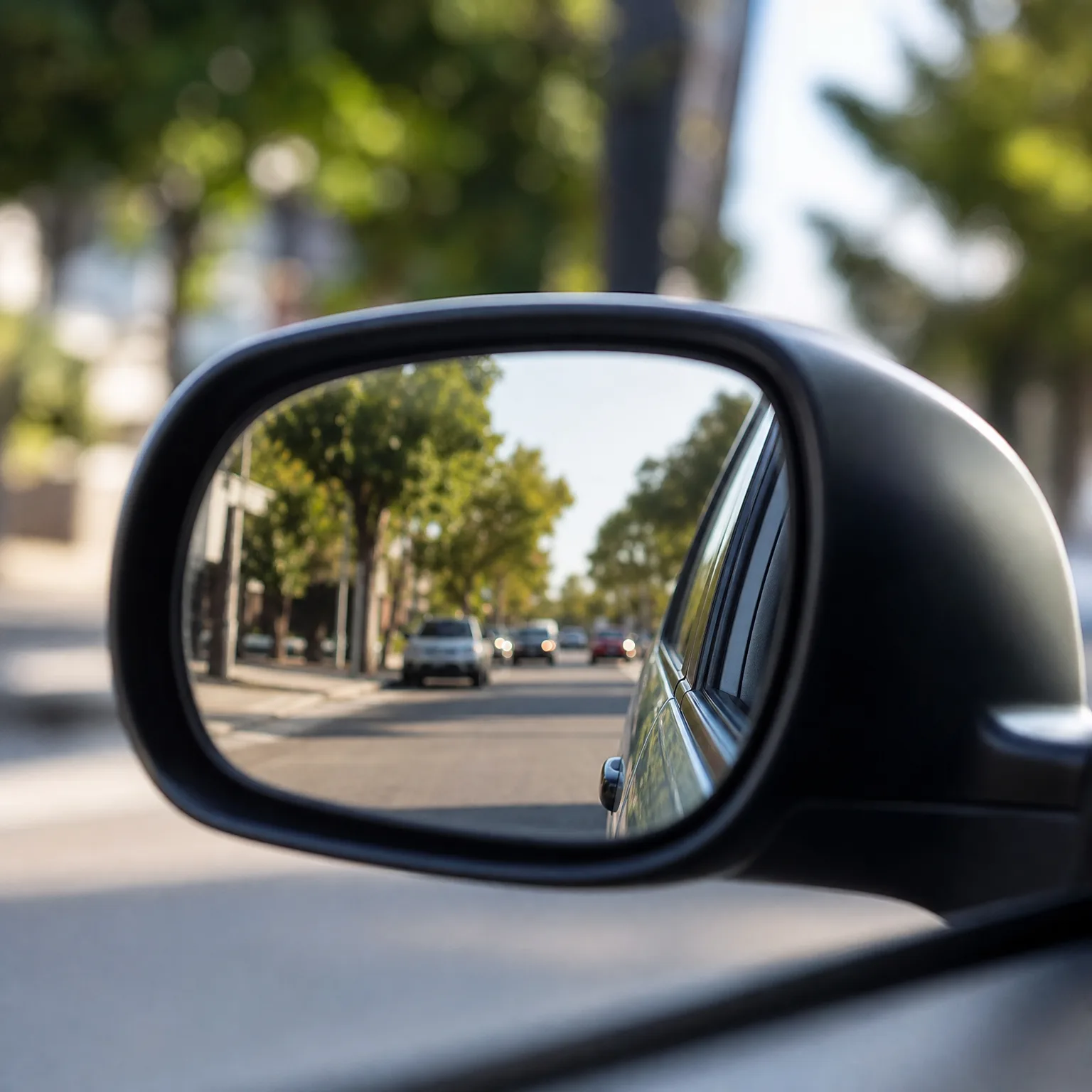
When a borrowed car turned into a late-night phone call
You lent your car to a friend for the weekend while yours sat in the driveway unused. They got pulled over for a broken taillight you hadn't noticed, and the officer ran their license and the car's registration. Since you owned the car and your friend had your permission to drive it, the stop was straightforward. The ticket for the taillight went to your friend as the driver, not to you as the owner.
A week later you got the taillight fixed and asked your friend to send you a little toward the repair, since it happened on their watch. Your insurance was never involved because there was no accident and no claim, just a minor citation. The experience made you realize you'd never actually confirmed what your policy said about other drivers, so you called your insurer and asked directly. They explained how occasional versus regular use was defined under your policy, and you felt better having the answer before the next time you handed over your keys.
Your insurance already covers this. The real risk is lending your car without knowing the limits.