
What Happens When You Reject an Insurance Settlement Offer
Rejecting an offer doesn't end your claim, it opens a negotiation that you control by countering with your own evidence.
The first offer is a starting point, not a final word
Insurers open low because they expect negotiation. The first number is usually built around the minimum they think you'll accept, not the full value of your claim. Rejecting it simply tells the adjuster you know that, and it moves the conversation forward instead of ending it.
Once you reject an offer, the adjuster typically asks what number you want instead, or waits for you to send one. This is where documentation matters most. Medical records, repair estimates, lost wages and any written account of how the damage affected you become the backbone of your counteroffer. Without them, the next number they send may not move much.
In some cases the adjuster won't budge, especially if the insurer believes fault is shared or the claim is close to a policy limit. When that happens, your options shift toward formal dispute processes, which can include appraisal, mediation or filing a lawsuit before a deadline passes. These paths vary by state and by what your policy says, so check your state's rules and your policy's claims language before assuming any one route is available to you.
The exception is when the first offer is already reasonable. If it matches your documented losses and you have no reason to expect more, rejecting it just to negotiate can slow down a payout you were going to accept anyway. The decision to reject should rest on a gap between what you can prove and what they offered, not on principle alone.
Can the insurer lower the offer after you reject it?
Yes, this can happen, though it's not the most common outcome. If new information comes in during negotiation, such as a disputed fault determination or evidence that your damages are smaller than first claimed, the insurer can revise their number downward.
This is more likely in disputed liability cases or when your counteroffer includes claims the adjuster considers unsupported. To protect yourself, keep your counteroffer grounded in documented costs rather than a round number pulled from frustration. A well supported counter is harder to argue down than one that invites scrutiny.

Once you know how to respond to a low offer, compare quotes to make sure your coverage backs you up next time.
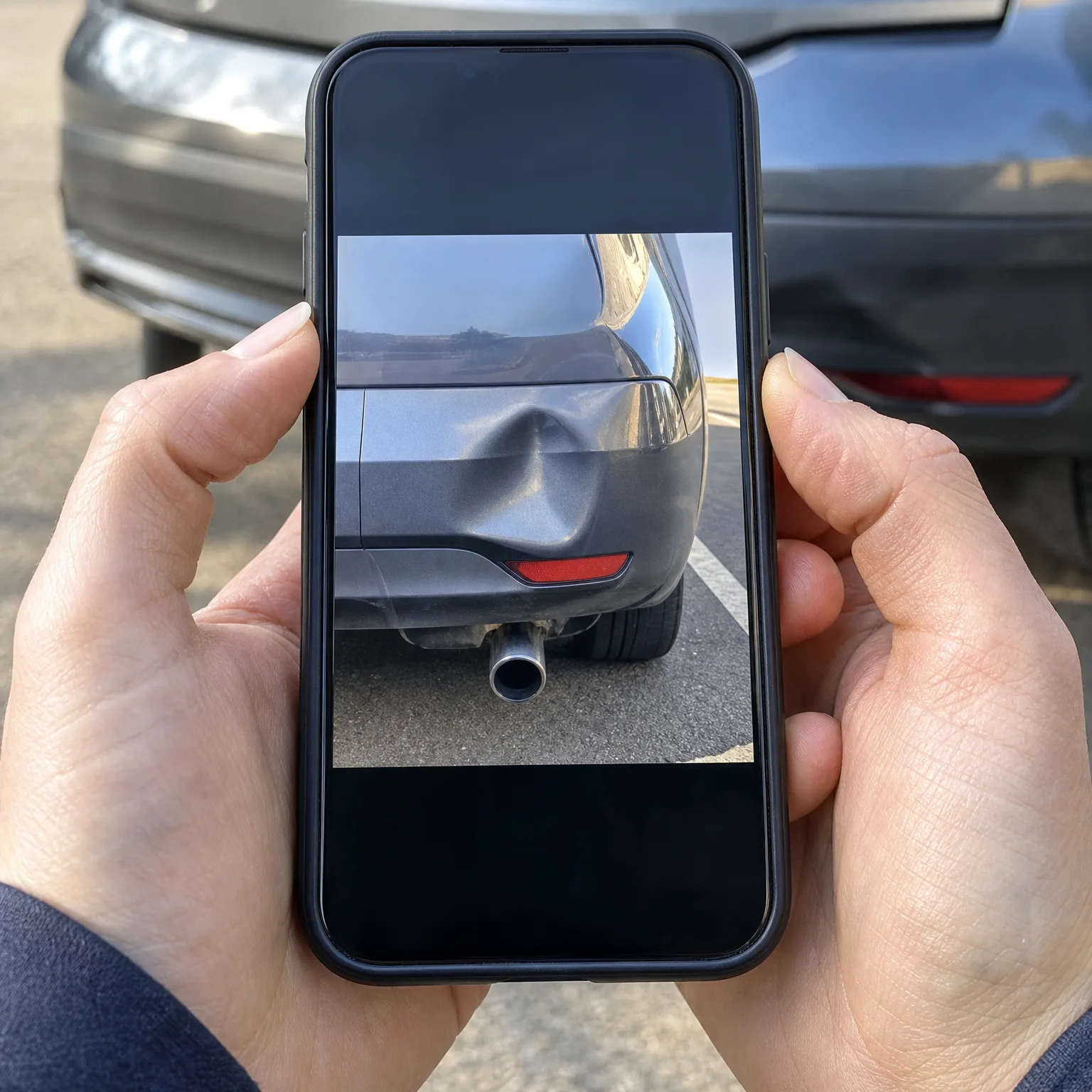
What to do after you say no to an offer
- Send a written counter Put your counteroffer in writing with a specific number. This creates a record and shows the adjuster you're serious about the gap between their offer and your documented losses.
- Back it with documents Attach medical bills, repair estimates or pay stubs showing lost income. Numbers without proof rarely move an adjuster, so lead with evidence every time.
- Know your deadline Most claims have a time limit for filing a lawsuit if negotiation fails. Check your state's deadline early so a long negotiation doesn't cost you your legal option.
- Watch for policy limits If the at-fault driver's coverage is low, the offer may already be near the maximum available. Ask directly whether the offer reflects a policy limit.
- Consider outside help If talks stall, look into mediation, appraisal clauses in your policy, or speaking with an attorney. These routes vary by state and by policy wording.

A low offer after a rear-end collision
You're rear-ended at a stoplight and the other driver's insurer sends an offer within a week that covers your car repair but barely touches the chiropractic visits you've been going to since the crash. You reject it in writing and explain that your medical costs aren't fully reflected, attaching your treatment records and a note from your doctor about ongoing care.
The adjuster comes back two weeks later with a revised number, still short of your total costs but closer. You counter again, this time including a projection for a few more weeks of treatment your doctor expects you'll need. The insurer agrees to a figure that covers your treatment plan and the repair, and you accept it knowing the number is now backed by paperwork instead of guesswork.

A rejected offer isn't a dead end, it's leverage, and leverage only works when it's backed by documentation.