What Happens if I Let My Friend Drive My Car and He Crashes
In most cases your insurance pays for the crash, because coverage follows the car, not the driver.
Your policy follows the car, so you're the first line of coverage
Car insurance is built around the vehicle, not whoever happens to be behind the wheel. When you hand someone your keys with permission, you're extending your coverage to them for that drive. Your liability coverage pays for damage they cause to others, and your collision coverage pays for damage to your own car, the same way it would if you'd been driving.
This is called permissive use, and it's standard across insurers, though some policies limit it for drivers who live in your household but aren't listed, or for people you loan the car to regularly. If your friend only drives your car once, you're almost always covered. If this becomes a regular arrangement, check your policy, because insurers sometimes expect frequent drivers to be listed by name.
Your friend's own insurance usually only comes into play if your coverage runs out. If the crash is serious enough that damages exceed your liability limits, their policy can step in to cover the rest, acting as a backup rather than the primary payer. This is one reason it helps to know roughly what coverage limits you're carrying before you lend out your car.
The outcome changes if your friend wasn't actually permitted to drive, say they took the car without asking, or you'd specifically told them no. In that case insurers may treat it differently, sometimes denying the claim through your policy entirely. It also changes if your friend is excluded by name on your policy, which some insurers allow. Permission is the detail that decides everything else.

The short version
Your insurance covers the crash because coverage follows the car, not the driver, as long as your friend had permission to drive it. Your liability and collision coverage pay first, and the accident will likely affect your rate, not your friend's. Before lending your car again, confirm your coverage limits and check whether your policy excludes any drivers.
A friend borrows your car for a weekend and gets into an accident
You lent your car to a friend for the weekend while his was in the shop. On the second day, he rear-ended someone at a stoplight. Nobody was hurt, but both cars needed repairs. Because he had your permission to drive, your insurance treated the accident as if you'd been driving, and your liability coverage paid for the damage to the other car.
Your collision coverage paid for the damage to your own car, minus your deductible. Your friend offered to cover the deductible since the accident was his fault, and you agreed that made sense. Afterward, you noticed your renewal rate went up, since the claim is tied to your policy and your car, not to him. You decided that next time, you'd ask about his driving record first, since the crash reminded you that lending the car means trusting someone else with your coverage and your history.
Now you know how a loaned car gets covered, so compare quotes to find coverage that fits how you lend your car.
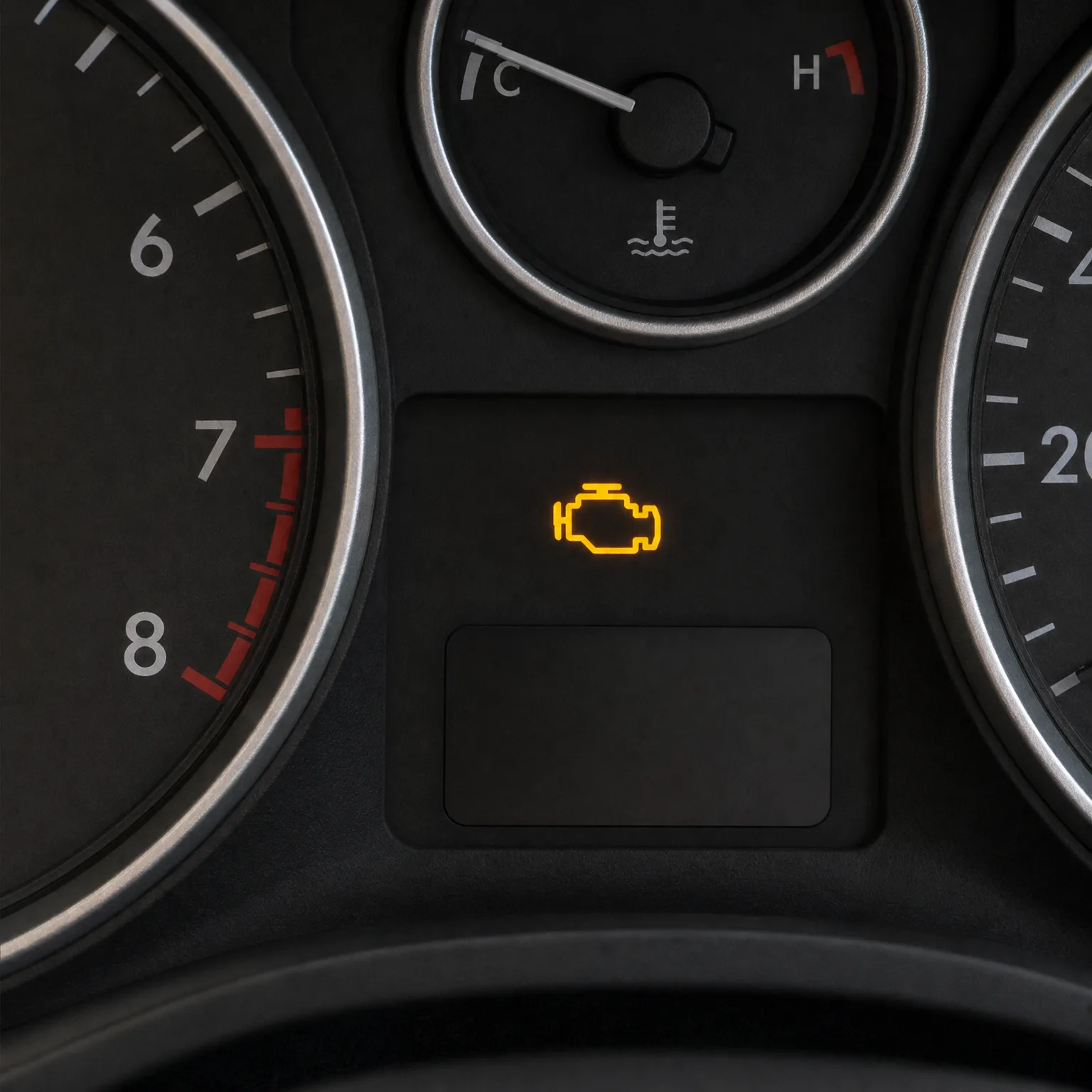
What to check before you hand over your keys
- Confirm permission is clear Coverage applies when you've given clear permission to drive. Say it out loud or in a text so there's no ambiguity if something happens.
- Check for excluded drivers Some policies list specific people who aren't covered even with permission. Pull up your declarations page and look before lending the car.
- Know your liability limits Your limits determine how much protection your friend has while driving. If they're thin, your friend's own insurance may need to cover the rest.
- Expect your rate to move A crash while your friend was driving still counts as your claim. Decide in advance whether you're comfortable with that risk.
- Ask about their driving history A friend with recent accidents or violations is a bigger risk behind your wheel. It's reasonable to ask before you say yes.
The car carries the coverage, not the driver, so lending your keys means lending your policy too.
Will my friend's insurance ever have to pay instead of mine?
Yes, but only in specific situations. Your friend's insurance typically becomes relevant when the damages from the crash exceed what your policy's liability limits can cover. In that case, their policy can act as secondary coverage, stepping in to pay the remaining amount so the injured party or damaged property is still made whole.
This usually only matters in serious crashes involving significant injury or expensive property damage. For a routine fender bender, your policy alone is almost always enough. If you're worried about this gap, the fix isn't to rely on your friend's coverage, it's to look at your own liability limits and consider whether they're high enough for the kind of driving and lending you actually do.