What Happens if I Let an Uninsured Driver Drive My Car
Your car's policy usually covers the driving itself, so an uninsured driver behind your wheel is generally covered through your policy.
Your policy follows the car, not just you
Most car insurance is written to cover the vehicle for anyone you let drive it with permission. That's why the question isn't really about the other person's insurance status. It's about whether they had your okay to drive, and whether your own policy is active and paid up. If both are true, your coverage responds to a crash the same way it would if you'd been driving.
Where it gets complicated is who that driver is to you. If you live with someone and they drive your car regularly, insurers often expect that person to be listed on your policy, even if you never married them and even if only your name is on the title. An unlisted regular driver can give the insurer a reason to deny or reduce a claim later, arguing you misrepresented who actually drives the car. An occasional guest driver, like a friend borrowing your car for an afternoon, is a different situation and is usually fine under permissive use.
The partner's own insurance status matters less than people assume. If they have no policy of their own, that doesn't erase your coverage. Your insurer still pays out according to your policy's terms. What it can affect is whether their driving record, if they have violations or accidents in their past, gets factored into your rate once they're added as a listed or frequent driver. That's a separate conversation from the uninsured question itself.
The exception that trips people up is when the car itself has a lapse, meaning the policy isn't active at the time of the crash. Then it doesn't matter who was driving or whether they're insured elsewhere. No active policy means no coverage from that car, period. Check your state's rules on permissive use and on who must be listed, since insurers vary on how strictly they enforce the listed-driver expectation.
Should I add my partner to my policy or get them their own?
If your partner drives your car regularly, living together or not, you add them to your policy. Insurers care about who actually drives the car more than about marital status, and a live-in partner who drives often fits the definition of a regular driver almost everywhere.
A separate policy only makes sense if your partner has their own car they drive most of the time, and yours is just a backup. Even then, ask your insurer how they want it handled, since some want any frequent driver of a household vehicle listed regardless of whether that person has a policy elsewhere. Getting this answered now costs you nothing and prevents a denied claim later.

Once you know whether your partner needs to be listed, compare quotes that reflect your real household.

Telling your insurer your partner drives your car
If you do
You add your partner as a listed driver. Your insurer reprices the policy based on both records, you get documentation that protects you in a claim, and if your partner has violations, you'll see the rate change now instead of finding out after a crash that coverage was denied.
If you don't
Your partner keeps driving unlisted. If they're never in an accident, nothing happens. But if they crash the car, the insurer can investigate who really drives it, and if they find your partner was a regular, undisclosed driver, they can deny the claim or cancel your policy entirely.
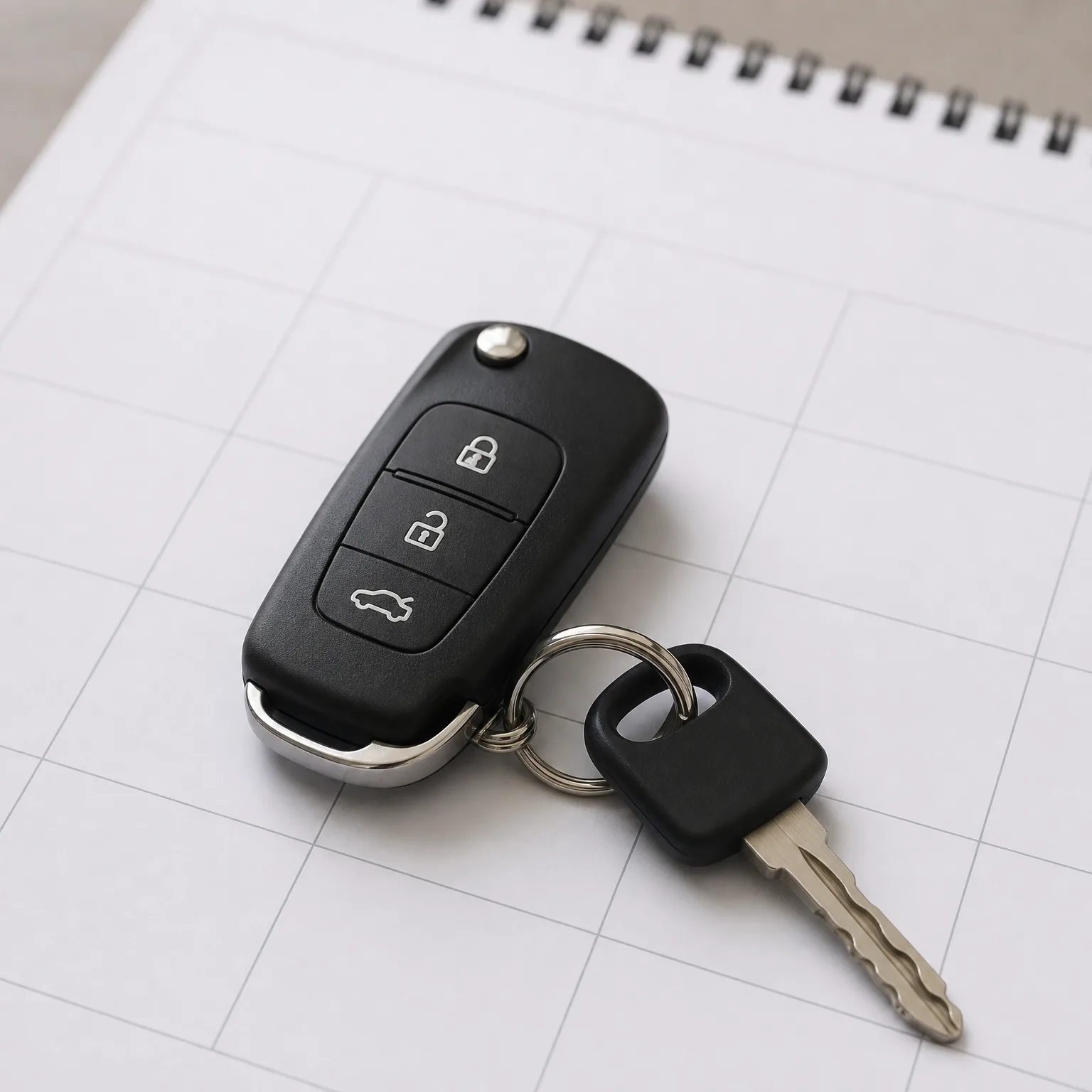
What actually determines whether you're covered
- Permission, not insurance status Your policy covers permitted drivers of your car regardless of whether that driver has insurance of their own. Make sure you gave clear permission and that your policy is active.
- Regular versus occasional driver A partner who drives your car often is different from a friend borrowing it once. Insurers expect regular drivers to be listed, so check your policy's definition.
- Whose name is on the title Only one name on the title doesn't change who's covered while driving. It does affect ownership if you break up, so keep that separate from the insurance question.
- Their record, not insurance If you list your partner, their past tickets or accidents can raise your premium. This is separate from whether an uninsured partner is covered driving your car today.
- A lapsed policy changes things If your policy isn't active, it doesn't matter who's driving or whether they're insured elsewhere. Keep payments current so coverage is there when you need it.
When an unlisted partner borrows the car for a long stretch
One partner's car was in the shop for two weeks, so they started driving the other's car to work every day. Neither had thought to mention this to the insurer, since the car's own policy was active and they assumed that was enough. A minor accident happened in week two, a fender bender in a parking lot, and the claim got flagged for review because the driver on record didn't match the usual pattern on the account.
The insurer asked how often that driver used the car, and the honest answer was almost daily for two weeks straight. That pushed it from occasional guest use into something closer to regular use, and the claim took longer to process while the insurer sorted out whether the policy's terms still applied. It was eventually paid, but the couple called their insurer afterward and added the partner as a secondary listed driver with a note about shared use. The rate went up slightly, but it removed the ambiguity for next time.