What Happens if I Do Not Declare an Accident
Not declaring an accident can void your coverage entirely and leave you paying for everything yourself.
A fender bender that seemed too small to mention
One partner backed into a mailbox while borrowing the other's car. There was no other driver involved, the damage was minor, and they decided it wasn't worth reporting since no claim was being filed. They had the dent fixed privately and didn't think about it again.
Four months later the car was rear-ended by someone else, and that claim required a full damage history check. The insurer found body shop records for repair work that had never been reported. Because the earlier incident involved the listed driver's partner, who may or may not have been covered to drive the car, the insurer treated the undisclosed accident as a material fact that was withheld, and used it to question the new claim as well. The couple ended up proving the two incidents were unrelated, but the delay and scrutiny could have been avoided by reporting the first accident when it happened, even without filing a claim.
Does my rate go up just for reporting an accident, even with no claim?
Reporting isn't the same as filing a claim, and in many cases reporting alone doesn't raise your rate. Insurers distinguish between being told about an incident and paying out money for it. A reported-only accident, especially one where no one was at fault or no damage was claimed, often stays on file without affecting pricing.
What does affect your rate is the underlying risk picture, including who was driving and how often. If the incident reveals that an undisclosed partner regularly drives the car, that can change how the policy is priced going forward, separate from the accident itself. Ask your insurer directly how they distinguish between reporting and claiming, since this varies.
Once you know what reporting requires, compare quotes to see how insurers handle your household's situation.

Reporting the accident versus staying quiet about it
If you do
You tell your insurer what happened, even without filing a claim. They log it, ask who was driving, and confirm whether that person was covered. If everything checks out, nothing else changes. If a gap in coverage shows up, you find out now, while it's fixable, instead of during a bigger claim later.
If you don't
The accident goes unrecorded, and nothing happens immediately if no one files a claim. But if it surfaces later through a repair record, a new claim, or a public report, the insurer can treat the silence as a bigger problem than the accident itself, sometimes affecting coverage on claims that come after it.
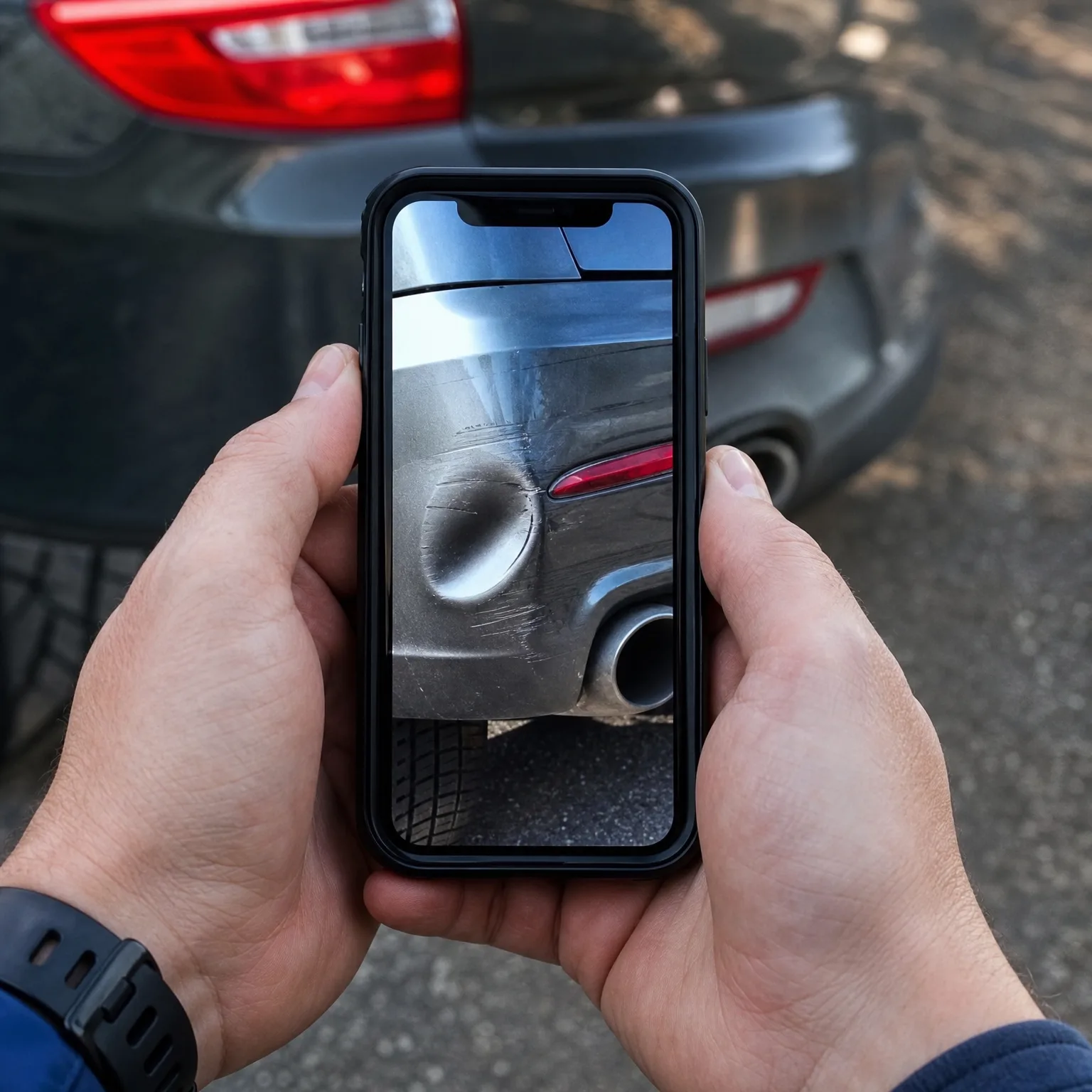
What's actually at risk when you skip reporting
- Coverage can be voided If the insurer later finds out you knew and didn't say anything, they can deny related future claims. Report any accident involving the insured car, even if you don't plan to claim.
- Unlisted drivers get exposed If your partner was driving and isn't on the policy, an unreported accident hides that gap instead of fixing it. Find out now whether they need to be added, not after a bigger claim exposes it.
- Records can catch up with you Police reports, other drivers' claims, or repair shop records can reach your insurer independently of you. Assume anything involving another party or a report is already findable.
- Small claims rarely raise rates A reported, no-claim accident with no fault usually has little or no effect on price. Weigh the near-zero cost of reporting against the real cost of being found out later.
- Breakups don't erase history If you and your partner split, past undeclared incidents involving either of you can still matter to whichever policy remains. Settle reporting and coverage questions while you're both still cooperating.
Can my insurer cancel my policy for not reporting an accident?
Yes, this is possible if they determine you knowingly withheld a material fact. Insurance contracts generally require honesty about anything affecting risk, and an accident involving the insured vehicle usually qualifies, even without injuries or a claim. Cancellation terms vary by insurer and by state, so check your policy wording for what counts as a reportable event and what the consequences are for omission.
Does the other driver have to report the accident if I don't?
Yes, the other driver can report it to their own insurer regardless of what you do, and that report can eventually reach your insurer through standard industry information sharing. This means staying quiet doesn't guarantee the incident stays hidden. If another vehicle or person was involved, assume there's a real chance it gets reported from their side even if you never say a word.
What if my partner caused the accident and isn't on my policy?
This depends on whether your policy extends coverage to household members who aren't listed, which varies by insurer. Some policies cover any permitted driver, others only those named. Check your policy's definition of who is covered, and report the accident regardless, since not reporting adds a second problem, withholding information, on top of the coverage question itself.