What Happens if a Car Hits Me and I Only Have Liability
If the other driver caused the crash, their liability coverage pays for your car and your injuries, not yours.
Your liability coverage only pays for damage you cause to others
Liability insurance exists to cover the people you hit, not you. That's the whole purpose of the policy. So when someone else hits you, your own liability coverage has nothing to do with your damages. The driver who caused the crash is responsible for the harm they did, and their liability coverage is what pays for your car repairs, your medical bills, and other losses tied to the crash.
This is why fault matters so much in this situation. Once the other driver's insurer accepts that their driver caused the accident, they become the ones paying your claim. You're filing against their policy, not yours. Your own coverage stays out of it unless something complicates the picture, like the other driver having too little coverage or none at all.
That complication is common enough to plan for. If the at-fault driver carries low limits or no insurance, their policy may not cover everything you lost. Whether you have a backup for that gap depends on coverages like uninsured or underinsured motorist protection, which some states require and others leave optional. Check your own policy and your state's rules to see where you stand.
Fault isn't always clean either. Some crashes get disputed, with each side's insurer pointing at the other driver. When that happens, your claim can take longer, and how disagreements get resolved varies by state. Knowing this ahead of time helps you understand why the process might not move as fast as you'd like, and why documentation from the scene matters so much.
What if the other driver doesn't have enough insurance to cover everything?
This is the real risk with relying only on someone else's liability coverage. Every policy has limits, and if your damages go beyond what the at-fault driver carries, their insurer only pays up to that limit. Whatever's left over is not automatically covered by anyone.
Whether you have protection against this depends on your own policy. Uninsured and underinsured motorist coverage is built for exactly this gap, and some states require it while others make it optional. If you don't have it and the other driver is underinsured, you may need to pursue the difference directly from them, which can be difficult. Check your policy now, before you need it, so you know where you actually stand.

Whether you add uninsured motorist coverage to your own policy
If you do
If the other driver has too little insurance or none, your own policy fills the gap for your injuries and sometimes your car. You file with your own insurer instead of chasing an underinsured driver. Claims move faster and you're not left covering costs yourself.
If you don't
If you skip it and the at-fault driver is uninsured or underinsured, you may have to pay your own medical bills and repairs, or try to collect money directly from that driver. That process is slow, often doesn't fully pay out, and leaves you carrying the financial risk.
Compare quotes now to close the coverage gaps a crash like this can expose.
What to do after someone else hits you
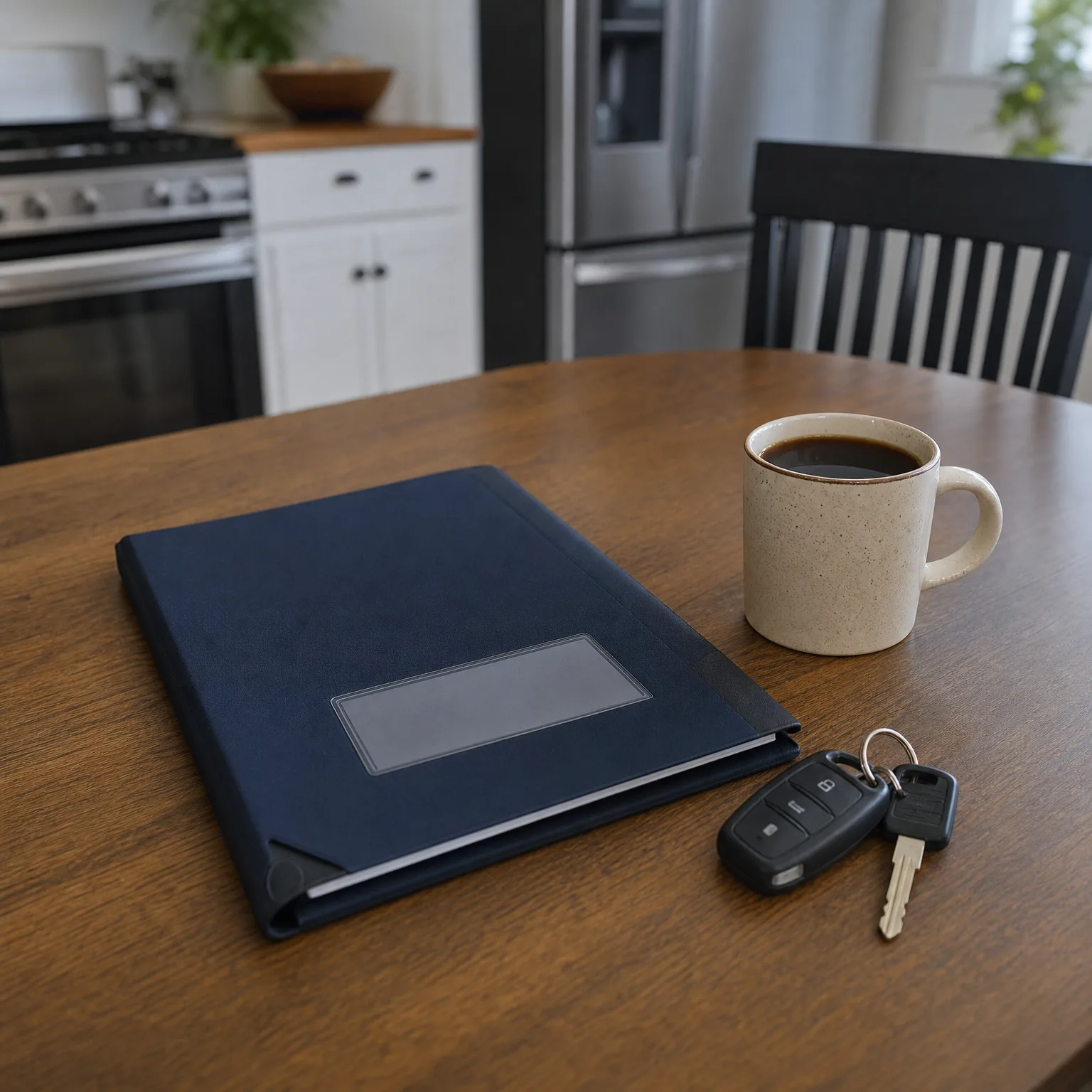
- Document the scene Photos, witness names, and the police report establish fault clearly. Without this, the other insurer may dispute what happened and slow down or shrink your payout.
- File with their insurer You bring your claim to the at-fault driver's insurance company, not your own. Get the claim number and adjuster contact early so you can track progress.
- Check their policy limits Ask the adjuster what their liability limits are. If your damages may exceed them, you'll need to know this early to plan your next move.
- Review your own coverage Look for uninsured or underinsured motorist coverage on your policy. If you don't have it, this is the moment to understand what that gap could cost you.
- Keep all records Save medical bills, repair estimates, and correspondence. If the claim stalls or gets disputed, this paperwork is what supports your case.
A rear-end crash where the other driver's coverage wasn't enough
You're stopped at a light and a driver rear-ends you going fast enough to total your car and send you to urgent care. You take photos, get the other driver's insurance information, and a responding officer files a report naming them at fault. You file a claim with their insurer the next day, expecting them to cover the car and your medical bills.
The adjuster confirms fault quickly, but their policy limits turn out to be lower than your total damages once the medical bills come in. You check your own policy and find you do have underinsured motorist coverage, so you open a second claim with your own insurer for the difference. It takes longer than the first claim, but between the two, your car and your medical costs end up covered. Without that second coverage, you'd have been paying the remainder yourself or negotiating directly with the other driver for money they may not have had.
The real risk isn't the crash, it's whether their coverage is enough to pay for it.