What Evidence Helps in a Hit and Run Claim
The evidence that helps most is anything identifying the other vehicle, gathered as close to the moment as possible.
Evidence exists to prove you didn't cause this and didn't flee
A hit and run claim has two separate problems to solve. First, your insurer needs to believe the damage happened the way you say it did, since there's no other driver confirming the story. Second, if you ever identify the other driver, that evidence is what lets your insurer or the police pursue them instead of leaving the cost on your policy alone.
This is why anything that places a second vehicle at the scene matters more than anything else. A partial plate, a paint transfer, a dashcam frame, even a witness who saw a dark pickup speed off, all of it supports the same claim, that another vehicle caused this and left. Without that, some insurers may treat the claim more cautiously, since an unexplained dent has no story attached to it.
Timing matters as much as content. Scuff marks fade, witnesses forget plate numbers, and nearby businesses often overwrite security footage within days. Evidence gathered within the first day or two is worth far more than the same evidence gathered a week later, simply because it's harder to dispute and easier to verify.
What counts as strong evidence can vary by insurer and by state, especially around whether a police report is required to file at all. Some states treat hit and run damage under a specific coverage category with its own rules, so check how your policy and your state handle it before you assume what you gather will be enough.
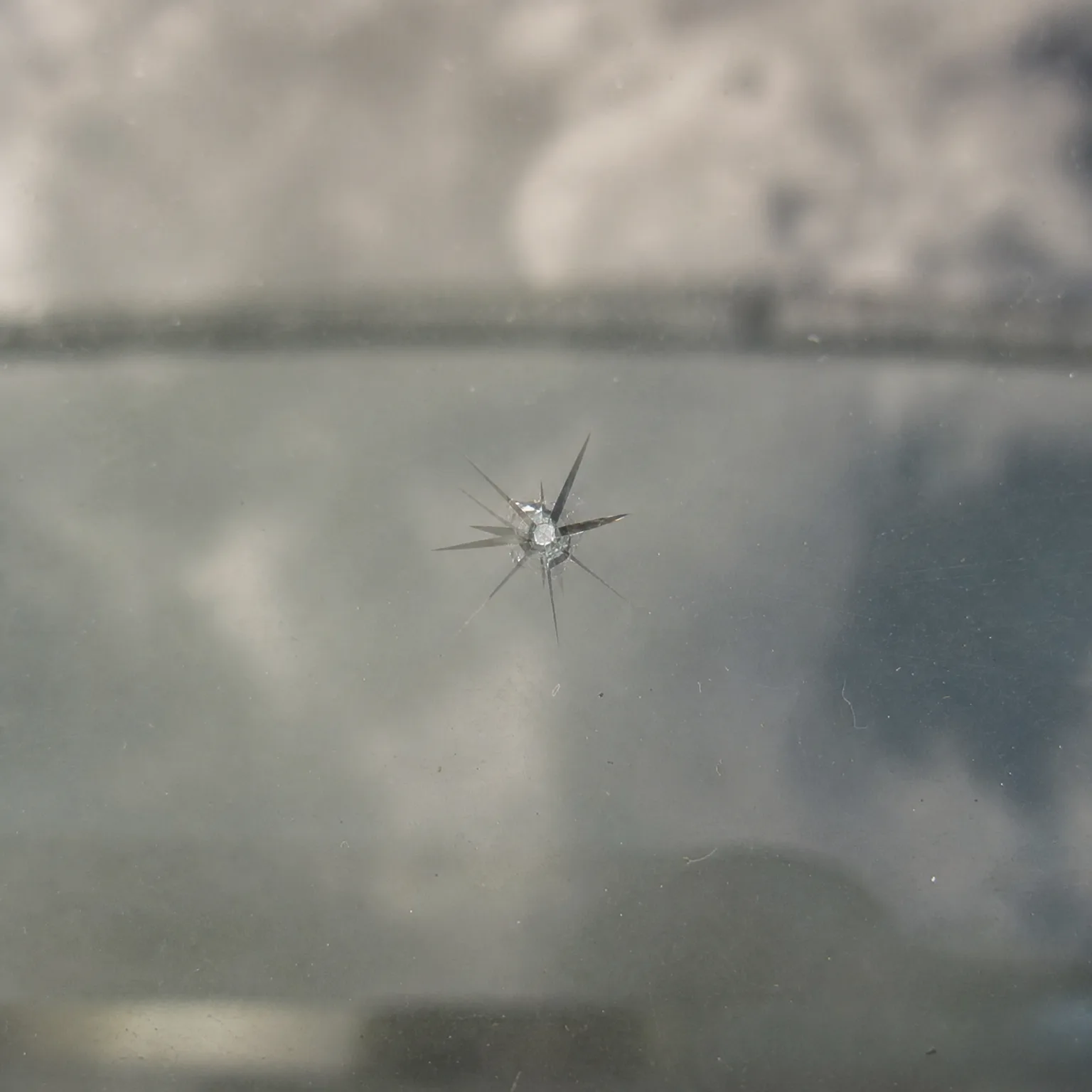
What to gather and why each piece matters
- Photos of the damage Wide shots and close-ups show the impact point and help an adjuster match it to another vehicle's height and shape. Take them before any repairs or cleanup.
- Scene and surroundings Photograph skid marks, debris, broken glass, and paint transfer on your car. These details can place another vehicle at the scene even without a witness.
- Witness names and numbers Anyone who saw the other vehicle is more credible than your account alone. Ask for a phone number on the spot, since people rarely stay once traffic moves again.
- Nearby camera footage Traffic cameras, doorbell cameras, and business security systems often catch what you didn't see. Ask or call right away, since many systems overwrite footage within days.
- The police report An officer's report documents the scene independently and may be required before your insurer processes the claim. File it even if you think the case won't be solved.
A parking lot scrape with no driver in sight
You come back to your car after an hour inside a store and find a long scrape down the passenger door, with white paint that isn't from your car. No note, no witness standing nearby. You take photos of the scrape and the paint transfer immediately, then walk the row of parking spots looking for anything else, a broken taillight piece, tire marks, anything.
You go into the store and ask if their security camera covers that section of the lot. It does, and the manager agrees to pull the footage once you file a police report, since that's their policy for releasing it. You file the report that afternoon, giving the officer your photos and the manager's contact information. Two days later the footage shows a van backing out and clipping your door before driving off, and while the plate isn't fully readable, the color and body style are enough for your insurer to process the claim confidently as a hit and run, rather than treating it as unexplained damage.
Once you know what evidence supports a hit and run claim, compare quotes to see how insurers handle this coverage.

Whether you gather evidence right away
If you do
You document the scene, get witness contact information, and request nearby footage within a day or two. Your claim moves faster because the adjuster has something concrete to evaluate. If the other driver is ever identified, your insurer has a real basis to pursue them instead of leaving the full cost on your policy.
If you don't
You wait a few days, hoping someone saw something. Camera footage gets overwritten, witnesses move on, and scuff marks fade or wash off. Your insurer is left with only your account and the damage itself, which can slow the claim or make it harder to treat as a hit and run rather than ordinary damage.
Do I need a police report to file a hit and run claim?
In many cases yes, but it depends on your state and your insurer's requirements for this type of claim. Some insurers require a report filed within a short window after the incident, while others accept photos and a statement alone. Check your policy documents or call your insurer directly, since filing late or not at all could affect whether the claim is accepted. If you're unsure, filing a report costs you little and strengthens the claim either way.
Will a hit and run claim raise my rate if I wasn't at fault?
It depends on your insurer and your state, since hit and run damage is sometimes treated differently from an at-fault accident. Some insurers won't raise your rate for a claim where you're clearly not responsible, especially if it's covered under a specific part of your policy meant for exactly this situation. Others may still factor in that a claim was filed at all. Ask your insurer directly how they classify hit and run claims before you file, so you know what to expect.
What if I never find out who hit my car?
Your claim can usually still move forward using your own coverage, as long as you have the right type of coverage for damage caused by an unidentified driver. The evidence you gathered still matters, since it shows the damage was caused by someone else rather than being unexplained. Without that coverage in place, you may be responsible for the repair costs yourself, so check what your policy includes before an incident happens, not after.