What Are the Disadvantages of Being a Named Driver
Being a named driver can limit your protection in a crash and may not build any no-claims history of your own.

The practical downsides of being a named driver
- Limited or no claims history Most insurers only build no-claims credit for the policyholder, not the named driver. Ask the insurer directly whether named-driver time counts toward anything before you rely on it.
- Less control over the policy The policyholder can change coverage, cancel it or remove you without your input. If you drive the car often, talk through decisions together before they happen, not after.
- Your record can raise their rate If you're a higher-risk driver, adding you can raise the policyholder's premium. Ask how much the rate changes before you're added, so there are no surprises later.
- Coverage may be narrower Some policies cover named drivers only in specific situations, like occasional use rather than regular commuting. Read the actual terms for how you're allowed to use the car.
- It can end abruptly If you break up or stop living together, the policyholder can remove you anytime, leaving you without coverage on that car immediately. Have a backup plan for insuring yourself if that happens.
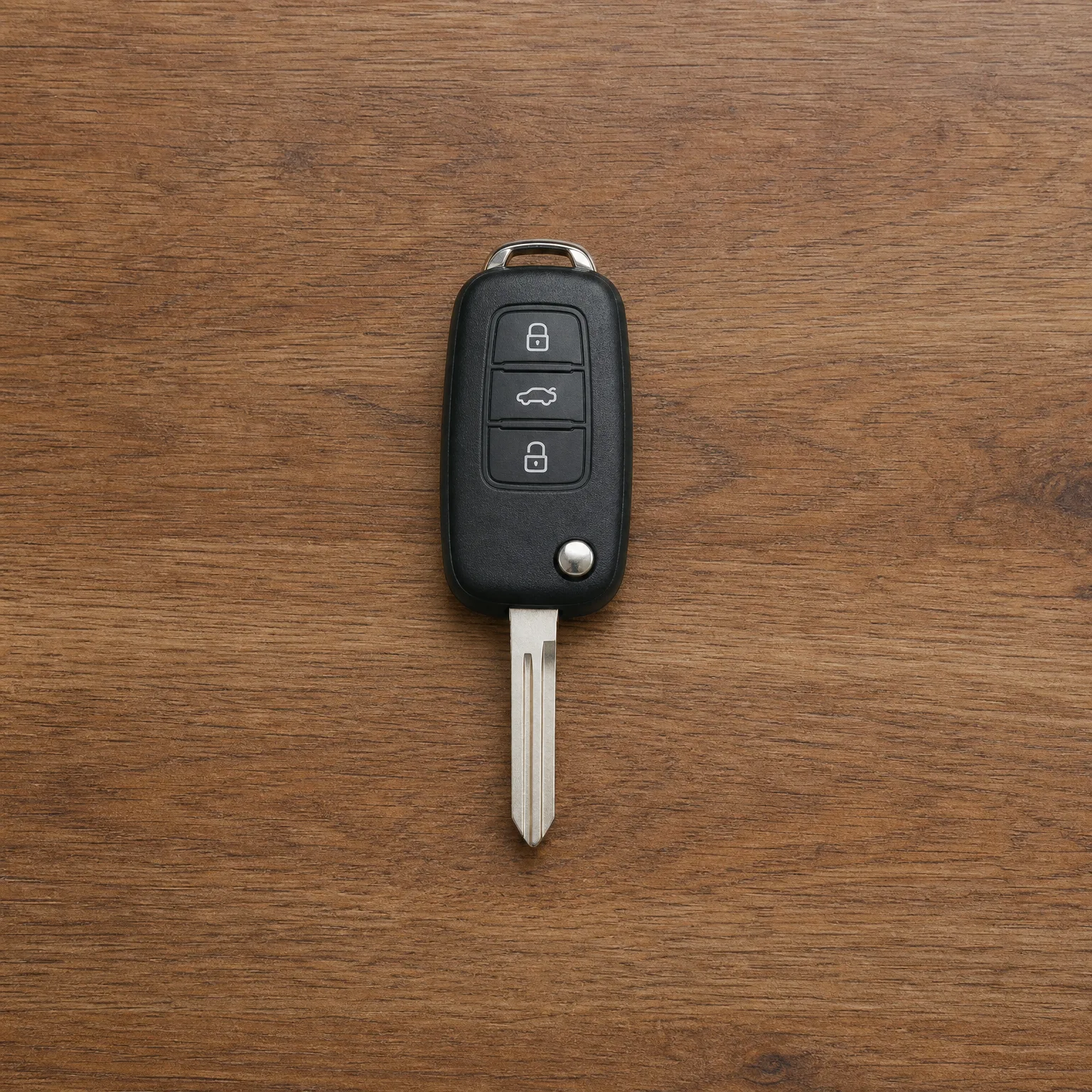
One partner driving the other's car every day
Two partners move in together and share one car that's titled and insured in one partner's name. The other partner is added as a named driver so they can legally drive it, and for months this works fine because they mostly use it for errands and short trips.
Then the second partner starts using the car daily for a new job with a longer commute. The policyholder calls the insurer to make sure daily commuting by a named driver is actually covered, since their original policy assumed occasional use. The insurer confirms it needs to be updated to reflect regular use by both drivers, and the premium goes up slightly. They decide it's worth it, since driving uninsured for daily commuting would have been a far bigger risk if a claim came up and the insurer found the usage didn't match the policy.

Once you know what being a named driver won't give you, compare quotes to see what your own policy would cost.
Why named driver status works this way
Insurers build a policy around the person who owns it, the policyholder, because that's who they're contracting with and who's financially responsible for premiums and claims. A named driver is added as permission to drive, not as an equal party to the contract. That's why most of the benefits of a long driving history, like lower rates over time, attach to the policyholder and not automatically to everyone who drives the car.
The risk logic runs the same way. Insurers price a policy based on everyone they expect to drive the car regularly, so a named driver's record, age and experience all factor into the premium even though the policy isn't in their name. This is also why usage matters so much. A policy priced assuming occasional use by a named driver can leave a gap if that person starts driving daily, because the insurer didn't price for that level of risk.
What varies is how much flexibility insurers give around named drivers, how they define occasional versus regular use, and whether any credit carries over if the named driver later gets their own policy. Some insurers are willing to document a named driver's history on request, even if it's not automatic, which can help later. This differs by insurer and sometimes by state, so it's worth asking directly rather than assuming.
The arrangement works well when it matches reality, meaning the named driver genuinely drives less often and the policyholder is comfortable carrying the responsibility. It works out differently when usage shifts, when the relationship changes, or when the named driver wants to eventually build their own record. In those cases, separate policies or being added as a co-insured, where the rules allow it, usually serve the situation better.

Being a named driver protects you in a crash, but it rarely builds a record that's actually yours.
Should I get my own policy instead of staying a named driver?
It depends on how long you plan to drive regularly and whether you want your own record to start building. If you expect to keep driving this much for the foreseeable future, getting your own policy, even with another insurer, starts building history that's unambiguously yours.
If your driving is genuinely occasional or temporary, staying a named driver can still make sense, since it avoids paying for a full separate policy you don't need yet. The deciding factor is usually how settled your situation feels. If you're renting together short term or your arrangement could change soon, named driver status keeps things simple. If you're sharing a car indefinitely and doing real mileage, ask insurers what it would cost to insure you directly and compare that against staying as a named driver long term.