Is It Better to File a Claim With Your Insurance or Theirs
File where fault and speed point you, usually your own insurer when you're at fault and the other driver's when you're clearly not.
Why the choice depends on fault and your state's rules
Filing a claim is really about who's responsible for paying, and that gets decided by fault. If you caused the accident, your own insurer is the one obligated to cover it, so that's who you call. If the other driver caused it, their insurer owes the payout, and you can file directly with them instead of touching your own policy.
Some states complicate this. A handful require you to file with your own insurer no matter who caused the crash, then let the insurers sort out reimbursement between themselves behind the scenes. Check your state's rules before assuming you have a free choice either way.
Even when you're not at fault, filing with your own insurer can still make sense. Your insurer usually moves faster, especially for a rental car or urgent repairs, because they don't need to investigate a stranger's claim from scratch. The other driver's insurer has no relationship with you and no urgency to protect your interests, so delays are common.
The tradeoff is that filing with your own insurer, even for an accident that wasn't your fault, sometimes affects your record until fault is fully resolved. Ask your insurer how they handle not-at-fault claims and whether your rate is protected while they pursue reimbursement from the other side.

The short version
File with your own insurer if you caused the crash or need repairs fast, and file with the other driver's insurer if fault is clear and you're willing to wait. Check whether your state requires you to file with your own insurer regardless. Call your insurer first and ask how they handle this.

What decides which insurer you should call
- Who caused the accident If you're at fault, your insurer is responsible for the claim. If the other driver is clearly at fault, you can file with their insurer instead.
- Your state's filing rules Some states require you to file with your own insurer no matter who caused the crash. Check this before deciding, since it removes the choice entirely.
- How fast you need repairs Your own insurer usually processes claims faster than a stranger's insurer would. If you need your car back quickly, this matters more than who's at fault.
- Effect on your record Ask whether filing a not-at-fault claim with your own insurer affects your rate while they seek reimbursement. Policies vary on this, so get it in writing or on record.
- Paper trail either way Keep photos, the police report, and the other driver's information no matter which insurer you file with. You may need it if the claim gets disputed later.
Now that you know who to file with, compare quotes to see how it could affect what you pay going forward.
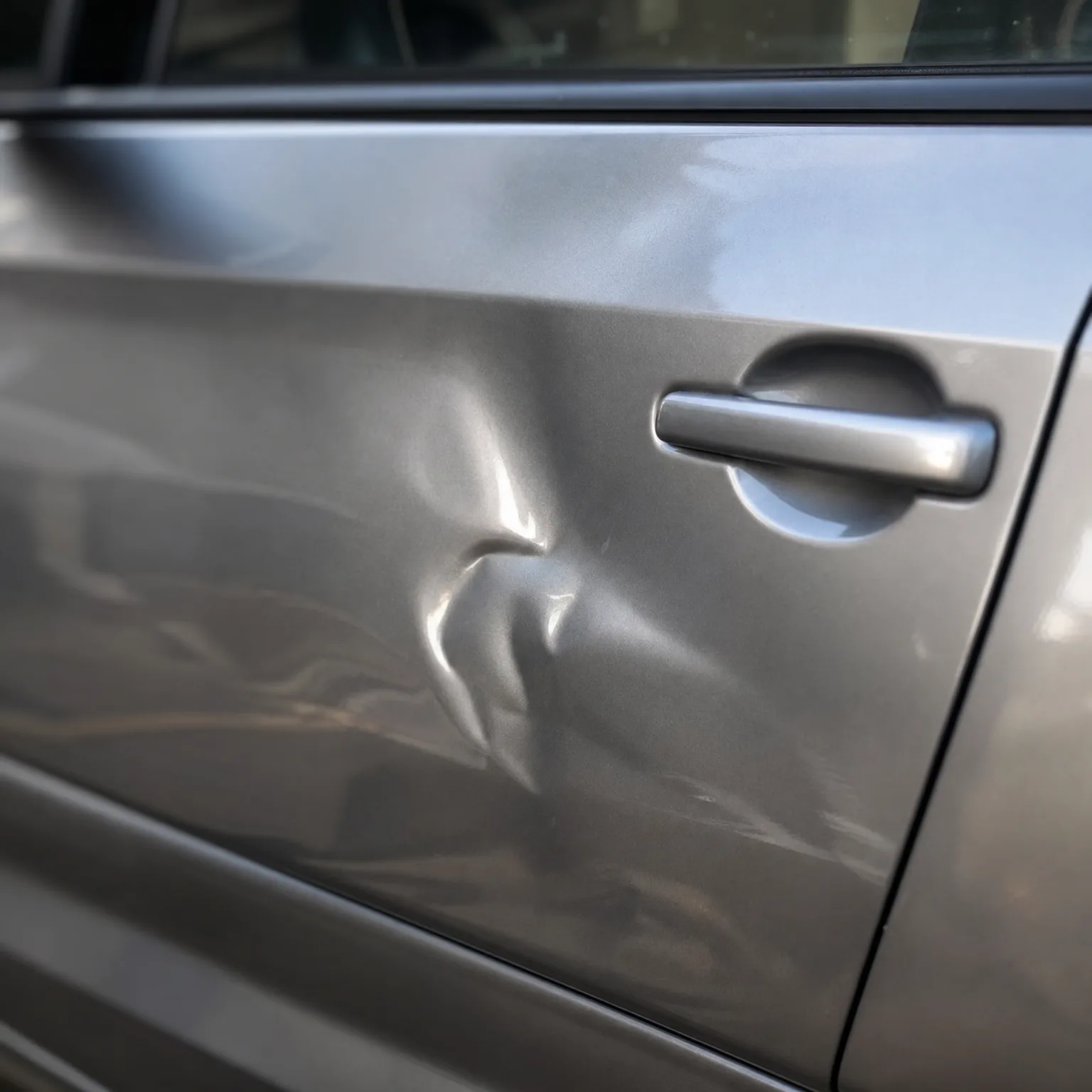
A rear-end accident with a clear other driver at fault
You're stopped at a light and another driver rear-ends you. The damage is moderate, nothing urgent, but you want it fixed right. Since fault is obvious and documented by a police officer at the scene, you decide to file with the other driver's insurer rather than your own.
Their insurer takes a few extra days to assign an adjuster and approve the repair shop, since they have no existing relationship with you and need to verify the report first. You wait longer than you would have with your own insurer, but you avoid any chance of the claim touching your own record. In the end the other insurer pays for the repair and a rental car while yours is in the shop, and your policy stays untouched by the whole event.

Will filing a claim raise my rate even if it's not my fault?
It depends on your insurer and sometimes your state, so there's no universal answer. Some insurers protect your rate on claims where you're not at fault, especially once fault is confirmed by a police report or the other driver's admission. Others consider any claim, regardless of fault, as a factor in future pricing, even if they don't call it a surcharge.
The only way to know for sure is to ask your insurer directly how they handle not-at-fault claims before you file, not after. If you're uneasy about the answer, that's a reason to lean toward filing with the other driver's insurer instead, since that claim won't appear on your own record at all.