Is Being Double Insured on a Car Illegal
No law bans having two policies on one car, but overlapping coverage wastes money and can cause claim headaches.

When a live-in couple ends up with two policies on one car
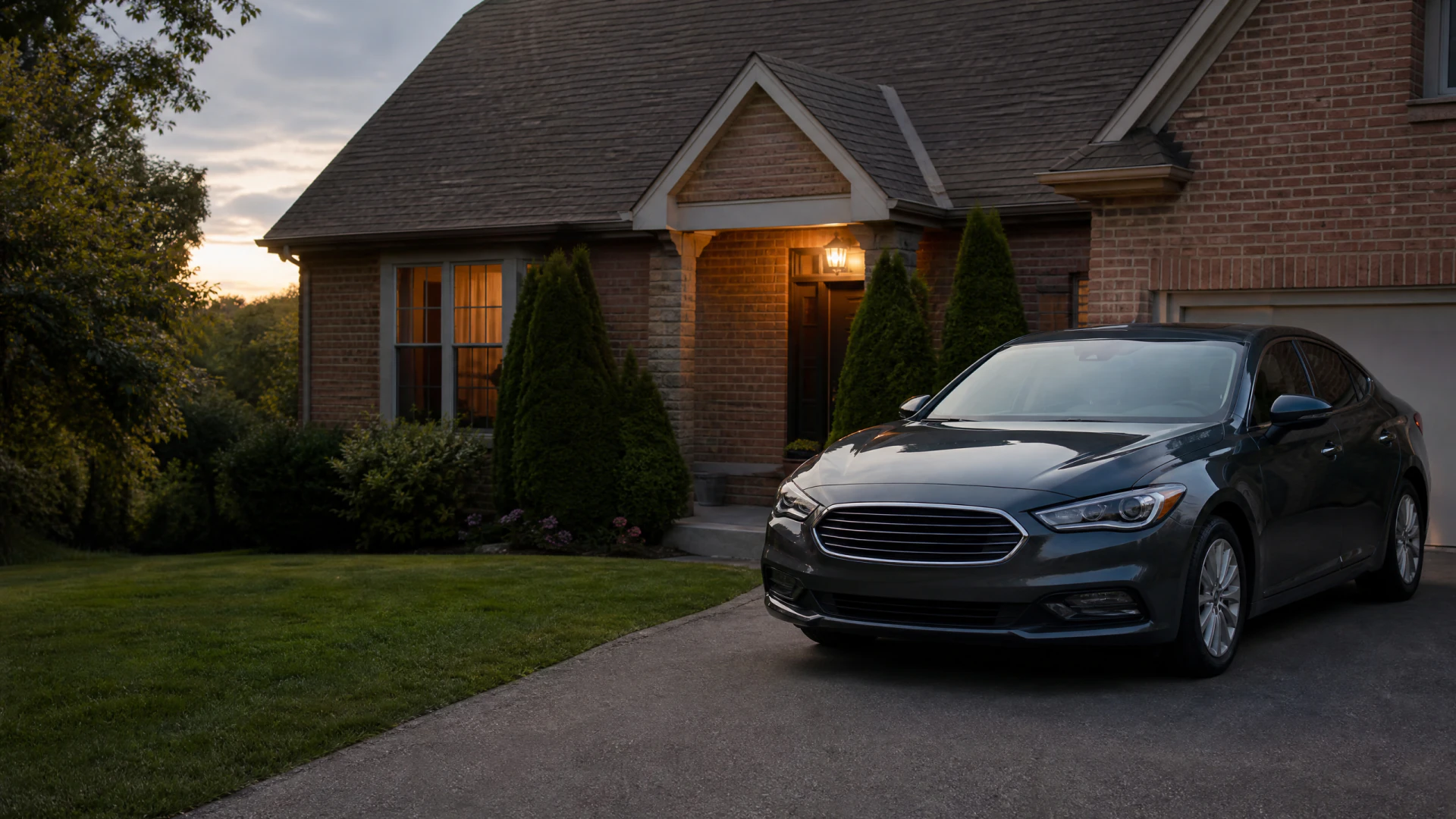
One partner owned the car and had it insured in their name alone. The other partner, worried about not being covered while driving it, took out a separate policy on the same car under their own name, using their own address and listing themselves as the primary driver. Neither partner told their insurer about the other policy. For months both policies stayed active, both charging full premiums for the same vehicle.
When the couple finally compared notes, they called both insurers to ask how to fix it. One insurer confirmed the car could simply be added as a listed driver on the existing policy instead of carrying a second one. They cancelled the duplicate policy, requested a refund for the unused term, and added the second partner to the single remaining policy. The fix took one phone call to each company and ended up costing less than what they'd been paying across two separate policies for overlapping coverage on the same car.
What happens if you file a claim while double insured?
You don't get paid twice. If both policies would otherwise cover the same accident, insurers coordinate to figure out which one pays first and which one, if any, pays the remainder. You won't collect the full claim amount from each policy separately, because that would turn insurance into a profit opportunity, which insurers and regulators don't allow.
In practice this means a claim with two active policies takes longer to resolve, not shorter. Each insurer may ask for the other policy's details, investigate who was really the primary driver, and determine which policy is considered primary before paying anything. It's not a safety net, it's a complication worth avoiding by keeping one clear policy per car instead.

Once you know which policy should actually cover the car, compare quotes to make sure that one policy is priced right.

Should you cancel the extra policy or keep both
If you do
You cancel the duplicate, request a refund for the unused term, and add your partner as a listed driver on the remaining policy. One company now has full visibility into who drives the car. Claims resolve faster, and you stop paying twice for coverage you only need once.
If you don't
You keep paying two premiums for one car, and neither insurer has the full picture. If an accident happens, both companies investigate before paying, which slows everything down. You also risk one insurer flagging the overlap later and questioning past claims or canceling your policy for undisclosed information.
Why double coverage isn't illegal but still doesn't work
Insurance regulators care about whether a car is covered, not about how many policies exist on it. There's no statute making it a crime to have two policies on the same vehicle, because insurers assume people sometimes overlap coverage by accident, like during a move, a trade-in, or a household merging finances. The law steps in around fraud, not redundancy.
What insurers do care about is being told the truth. Every policy application asks about other drivers in the household and sometimes about other insurance on the same vehicle. If you leave that out, even unintentionally, the insurer can treat it as a misrepresentation later, especially if a claim happens and the overlap comes to light during the investigation.
The practical problem isn't legality, it's payout structure. Insurance exists to restore you to where you were before the loss, not to generate extra income from a loss. When two policies could apply to the same claim, insurers use coordination rules to decide which one pays primary and which one covers any gap, so you're never paid twice for the same damage. That process takes time and paperwork, and it's the same outcome you'd get from one correctly set-up policy, just slower.
The cases where carrying two policies briefly makes sense are narrow, like a short overlap while switching insurers or finalizing a title transfer. Outside of that, duplicate coverage on one car is really a sign that the policy itself needs fixing, usually by adding a driver or combining ownership details, rather than a reason to keep two separate policies running side by side.
The real question isn't legality, it's whether your policy actually reflects who drives the car.