How Does Insurance Work if I Lend My Car to a Friend
Your car's insurance follows the car, so your policy is usually the one that pays first, even with a friend behind the wheel.
Your policy covers the car, not just you
Insurance in most cases is tied to the vehicle first and the driver second. That's why, when you lend your car to a friend and they get into an accident, your policy is typically the one that responds, not theirs. Their own insurer usually only steps in after your coverage is used up, if at all.
This setup exists because the policy is built around the risk of that specific car being on the road, regardless of who's driving it on a given day. Insurers expect owners to occasionally let someone else drive, so permission matters a lot. If you said yes, even casually, that's generally enough to count as permissive use.
Where it gets less predictable is with the details underneath. Some policies limit permissive use to occasional driving rather than regular borrowing. Some insurers look closely at whether the friend lives in your household, since that can change how they're treated. And if your friend was excluded by name on your policy, or never had permission at all, coverage can be denied outright.
There are also cases where a claim involving your friend's driving record or habits affects your future rates, even though the policy paid out correctly. None of this is universal. Check your policy's language on permissive use and ask your insurer directly how they'd handle this exact situation before it happens, not after.
A weekend loan that turned into a real test of the policy
Someone let a close friend borrow their car for a weekend trip while their own car was in the shop. The friend was a licensed, experienced driver, and the owner gave clear verbal permission before handing over the keys. During the trip, the friend was in a minor accident that was ruled the other driver's fault, but the claims process still required sorting out whose insurance would respond first.
Because the car owner's policy was tied to the vehicle, their insurer handled the claim initially, then pursued reimbursement from the at-fault driver's insurance. The owner's rates stayed the same since the accident wasn't their fault and didn't involve a pattern of risk. The friend was relieved to learn they weren't personally on the hook for the claim, and the owner was glad they'd confirmed permission and coverage details before the trip instead of assuming everything would just work out.
What if my friend gets in an accident and it's their fault?
Your policy still typically pays first, since it follows the car, but a fault accident can affect your future rates even if you weren't driving. Insurers generally treat the claim as part of your history because it happened under your coverage.
This is the real risk of lending your car out. It's not just about who pays for damage right now, it's about how the claim sits on your record going forward. If your friend has a history of accidents or violations, some insurers may ask about that too, especially if borrowing becomes frequent. Ask your insurer how at-fault claims from permitted drivers are handled before you lend your car regularly, since this varies by company.
Once you know how your policy treats a borrowed car, compare quotes to see how much that protection actually costs.
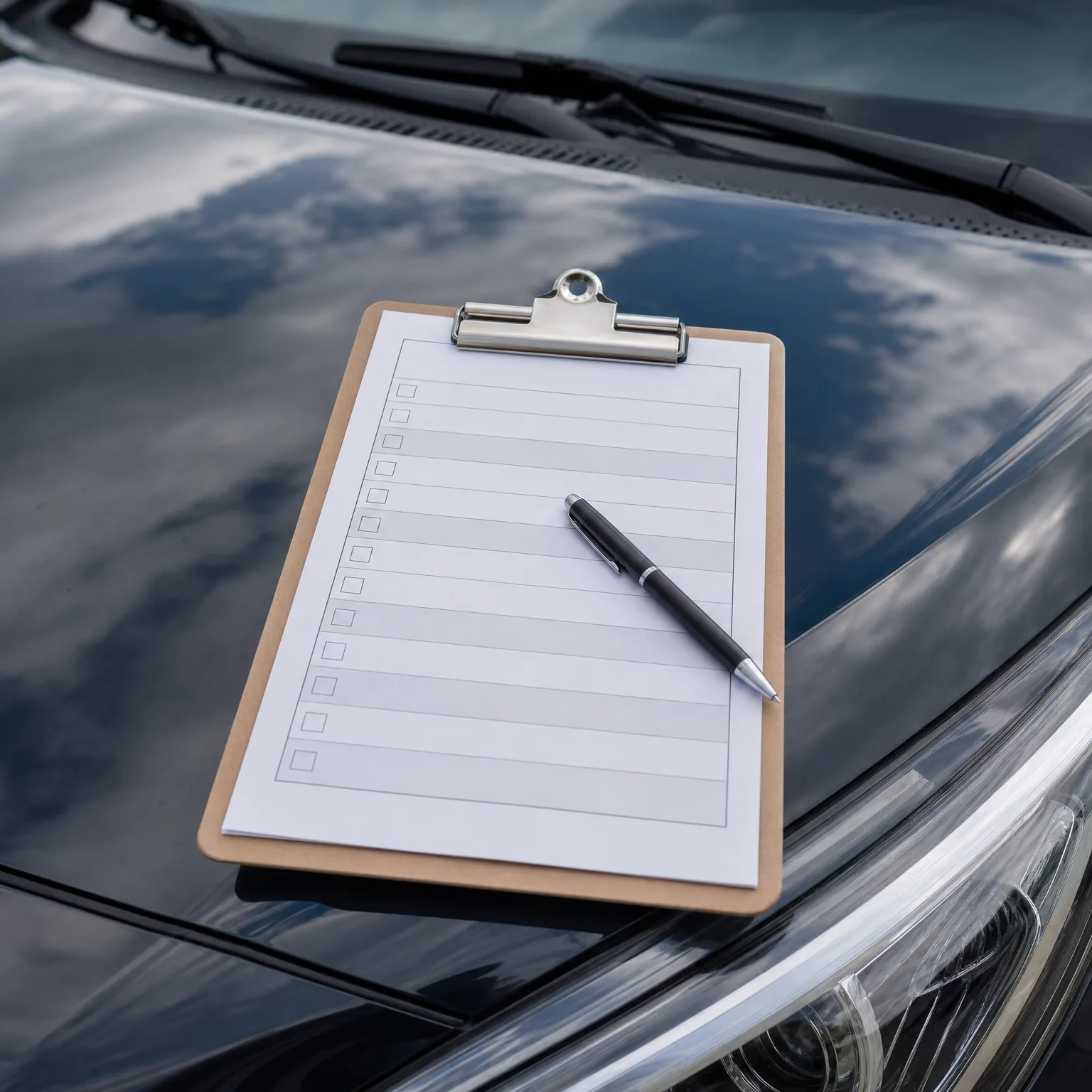
What to confirm before you hand over your keys
- Permission counts Clear permission, even spoken, usually makes a borrowing friend covered under your policy. Don't assume silence or a vague agreement is the same thing, say yes clearly if you mean it.
- Check for excluded drivers If your friend is listed as excluded on your policy, they won't be covered no matter what. Look at your declarations page or ask your insurer directly before lending the car.
- Frequent borrowing is different Occasional use is treated differently than regular borrowing by the same person. If your friend drives your car often, tell your insurer so coverage isn't questioned later.
- Your rates can move An at-fault accident while your friend was driving can still affect your future premiums. Decide how comfortable you are with that risk before you lend the car out.
- Ask about reimbursement order Find out whether your insurer pays first and seeks reimbursement from the other driver's insurer later. This affects how fast repairs happen and who deals with the paperwork.
The car carries the coverage, so lending your keys means lending your policy too.
Does my insurance go up if someone else wrecks my car?
It can, especially if the accident is ruled your friend's fault while they were driving with permission. Insurers generally treat claims under your policy as part of your history, regardless of who was behind the wheel. The impact depends on your insurer's rules and your claims history overall. Ask your insurer how permissive-use claims are factored into future rates, since some weigh them differently than claims from the policyholder themselves.
Can I limit who is allowed to drive my car?
Yes, you can typically list specific drivers as excluded on your policy, which removes coverage for them entirely. This is useful if someone in your life has a poor driving record or you simply don't want them driving your car. Check your policy documents or ask your insurer how to add or remove exclusions, since the process and rules differ by company.
What if my friend doesn't have their own car insurance at all?
That generally doesn't matter for a single loan, since your policy covers the car regardless of whether the driver has their own insurance. What matters more is whether they have a valid license and permission to drive. If borrowing becomes regular, ask your insurer whether that changes anything, since ongoing arrangements are sometimes treated differently than a one-time favor.