How Do Adjusters Determine Who Is at Fault
Adjusters piece together fault from the police report, physical evidence, statements and state fault rules, not from who sounds more upset.
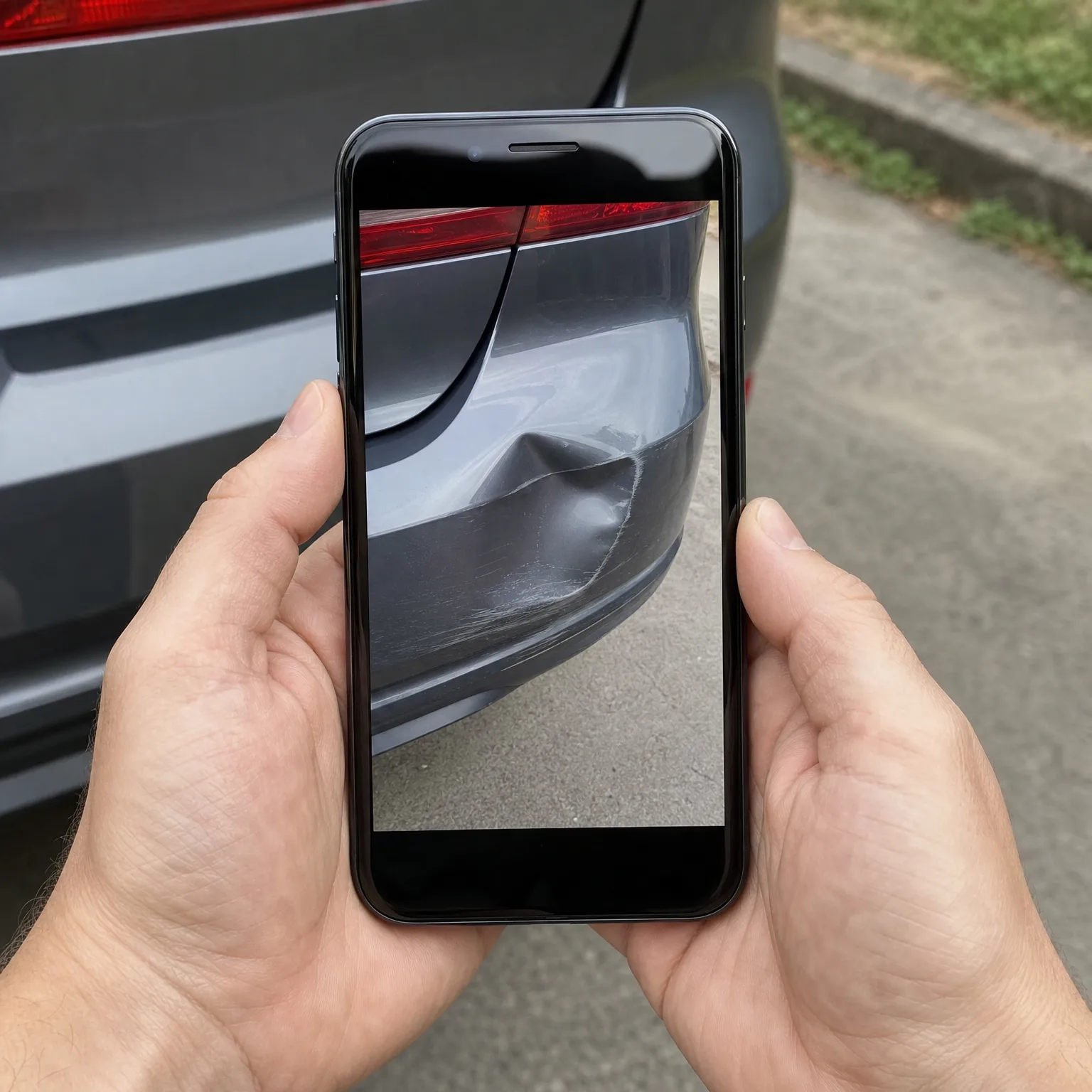
What an adjuster actually weighs when deciding fault
- Police report This is usually the starting point, since it has the officer's notes, diagrams and sometimes a fault opinion. Get the report number at the scene so your insurer can pull it quickly.
- Physical evidence Damage location, skid marks and debris patterns often speak louder than either driver's memory. Take photos from several angles before vehicles are moved, if it's safe to do so.
- Driver and witness statements Adjusters compare both accounts and any independent witnesses for consistency. Stick to what you actually saw and felt, not assumptions about who caused it.
- State fault rules Some states assign a percentage of fault to each driver, others require one driver to be fully at fault. Check your state's rule, since it changes how any payout is split.
- Who had permission to drive If your partner was driving your car, the adjuster looks at whether they had permission, not whose name is on the title. Make sure you both know how your policy defines permitted drivers.
Does it matter whose name is on the car if my partner was driving?
Not for fault. Fault is about what happened in the crash, not about who owns the car or whose name is on the policy. An adjuster determines fault the same way whether the driver is the policyholder, a spouse, a live-in partner or a friend who borrowed the car.
What the ownership and policy details affect is whose insurance pays and how. If your partner was driving with your permission, your policy typically responds first regardless of whose name is on it. If they weren't listed as a driver and don't live with you, that can complicate things, which is exactly why unmarried couples sharing a car should check how their insurer defines a household member or permitted driver before anything happens, not after.

Should you report the accident through your own policy
If you do
Your insurer opens a claim, assigns an adjuster and starts gathering evidence right away. If your partner was driving, being upfront about that up front avoids confusion later. The process moves faster and you keep more control over documentation and timelines.
If you don't
Waiting or letting the other driver's insurer take the lead means you have less say in which evidence gets collected. Memories fade, photos don't get taken, and you may end up relying entirely on someone else's version of events to protect you.
Now that you know how fault gets decided, compare quotes to see how it would affect your rate and your partner's.
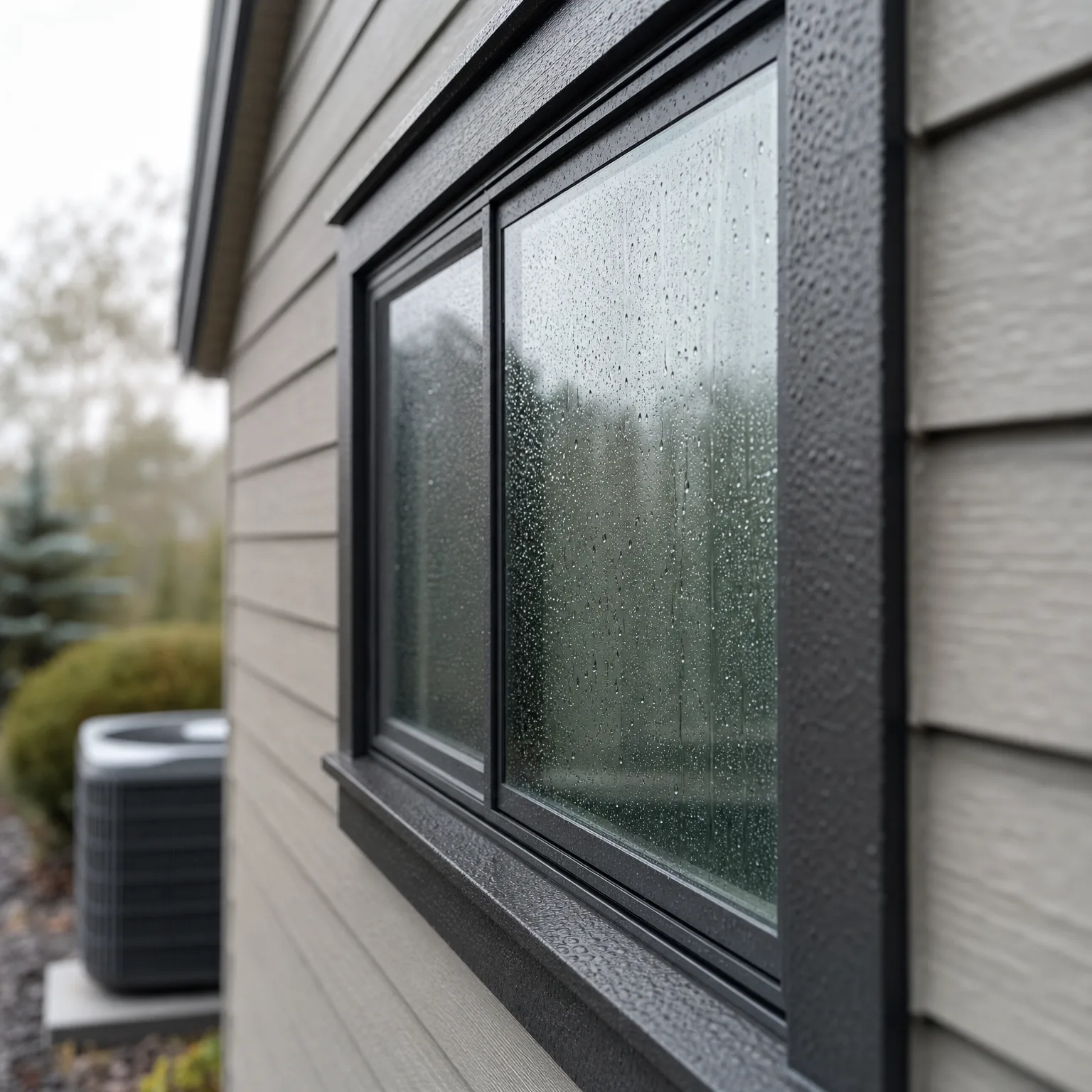
A fender bender with only one name on the policy
One partner was driving the shared car, titled and insured in the other partner's name, when someone backed into them in a parking lot. Both drivers called their insurers. The adjuster pulled the store's security footage, looked at the damage location on both bumpers, and talked to a bystander who saw the other car reversing without looking.
The footage and the witness statement settled it quickly. The other driver was found fully at fault, and that insurer paid for the repairs. Because the policyholder wasn't the one driving, the couple also asked their insurer directly whether the claim would affect the listed driver's rate. The answer was no, since their partner wasn't at fault and was already a permitted driver under the policy's household rules. The whole case turned less on who owned the car and more on the footage and the witness, which is usually how it goes.
Can an adjuster change their mind about who was at fault?
Yes. Fault determinations aren't final the moment they're made. If new evidence shows up, like a witness who comes forward or footage that surfaces later, you or the other driver can ask the adjuster to reconsider. Keep any new evidence organized and send it in writing, since verbal claims are harder to act on.
What happens if my partner and I disagree about who was driving or what happened?
The adjuster will rely on outside evidence rather than take either person's word alone. This is where police reports, photos and witnesses matter most. If you two can't agree, the adjuster still has to form a conclusion, so give consistent, factual statements rather than trying to settle the disagreement through the claim itself.
Will my rates go up if my unmarried partner caused an accident in my car?
It depends on whether your partner is listed on your policy and how your insurer treats household members. If they're a regular driver of your car, insurers typically expect them to be listed, and an at-fault accident involving them can affect your rate just as it would if you were driving. Check your policy's definition of who counts as a household driver.