Does Car Insurance Have to Match ID Address
Your insurance address has to match where you actually live, not necessarily what's printed on your driver's license.
Insurers care about where the car sleeps, not your ID
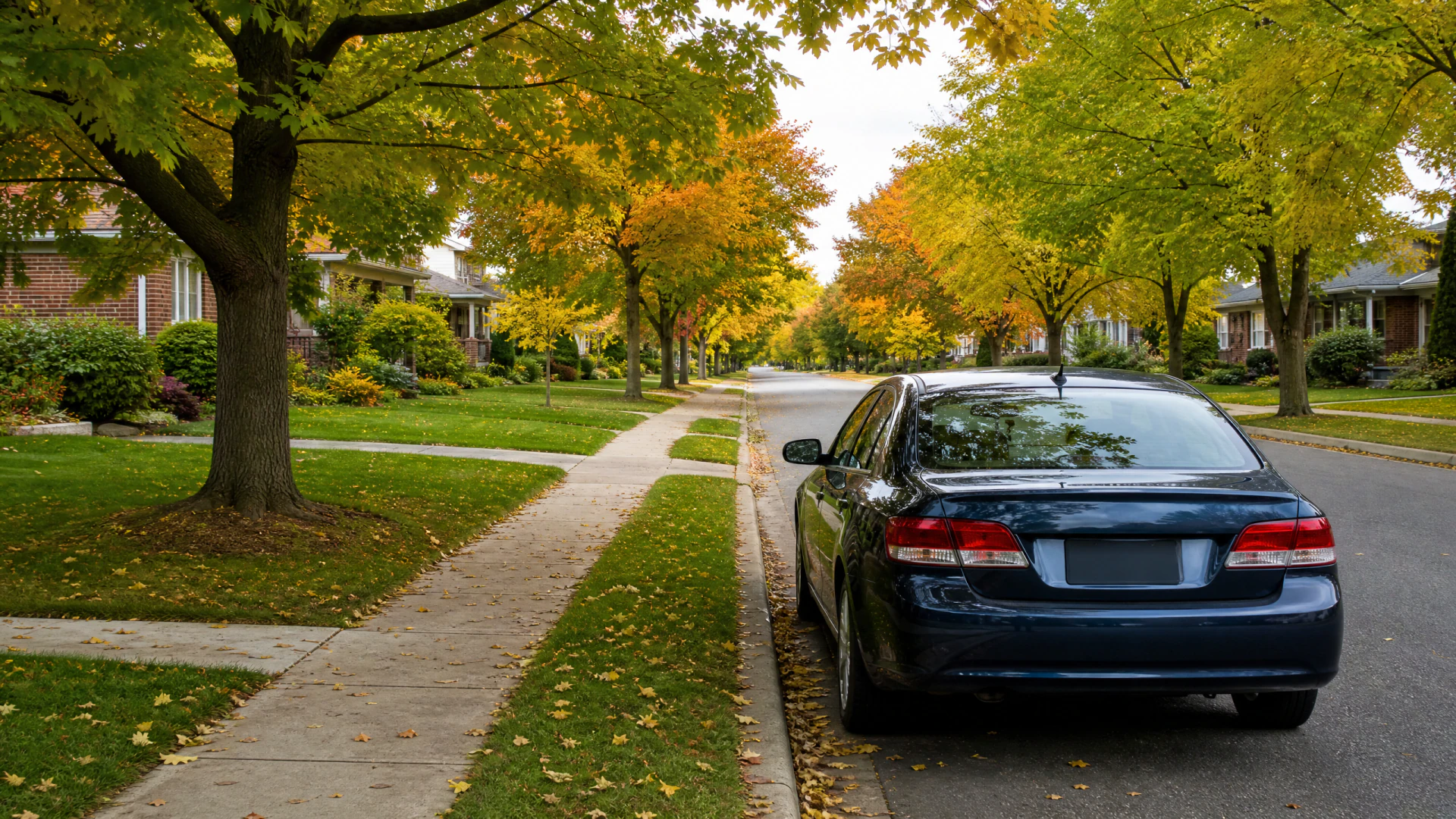
Insurance pricing is built around risk at a specific location. Where a car is usually parked overnight affects theft rates, accident rates, and claim costs in that area, so insurers ask for the address where the car is garaged. Your driver's license address matters less to them than this garaging address, because the license can lag behind a move or reflect an old address for reasons that have nothing to do with insurance.
This matters a lot for a couple sharing a car when only one partner is on the title and policy. If you both live at the same address, the match is simple. But if the car is sometimes kept at one partner's place and sometimes the other's, or if one of you still has a license tied to a parent's address or a previous apartment, the policy should reflect where the car actually lives most nights, not whatever address happens to be on a card in your wallet.
Insurers vary in how strictly they check this and how they define a live-in partner versus a spouse for purposes of a shared address. Some treat anyone at the same residence similarly when rating the policy, others ask more questions about who owns the car and who is the primary driver. Check how your insurer defines a household member, because that definition often matters more than whose name is on the ID.
Where this gets tricky is when addresses diverge on purpose, like keeping a lower-cost rating address instead of where the car actually sits. That's not just a mismatch, it is the kind of thing that can void coverage if a claim reveals it. The honest fix is always to use the real, current address, and update it on both your license and your policy when you move in together or move apart.
What if my license still has my old address but I live with my partner now?
Update it. States generally require you to update your license within a set window after moving, and your insurer wants your current residential address regardless of what your license says. Driving around with a stale license address while your policy has the correct one is usually fine for insurance purposes, since insurers care more about where the car is kept than the plastic card in your wallet.
The real risk is letting both go stale. If you move in together and never update either document, you could end up with a policy that reflects neither your old address nor your new one accurately, which complicates things if you ever need to prove where you lived at the time of a claim. Treat the move-in as the trigger to update both, even if they update on different timelines.

Now that you know which address to use, compare quotes with your real current address for the most accurate rates.
When one partner's license still said their old apartment
A couple moved into one apartment together, but only one partner updated their driver's license right away. The car, which belonged to the partner who moved, stayed insured at the new address because that's what the insurer asks for when you set up or update a policy. The other partner kept driving around for months with a license showing the old address, figuring it didn't matter since they weren't on the title.
It became a problem when that partner was pulled over and the officer asked why the license address didn't match where they said they lived. Nothing happened with the insurance since the policy itself was accurate and current, but it was an uncomfortable moment that could have been avoided. They updated the license that week. The lesson for them wasn't about insurance risk so much as the hassle of mismatched documents showing up at the worst time, like during a stop or a claim investigation where consistency matters.
The address that protects you is where the car sits each night, not the one printed on a card.
Can I use my parents' address for cheaper car insurance if I don't live there?
No, and doing this is considered misrepresentation if the car doesn't actually stay there. Insurers rate based on where the car is garaged overnight, and claims can be denied if an investigation shows the real address was different. If you're renting with a partner now, use that address. If your rate seems high, ask your insurer what actually drives the cost instead of trying to disguise the address.
Do I need to tell my insurer when I move in with my partner?
Yes, because your garaging address is one of the main factors insurers use to calculate risk and premium. Not updating it can create a gap between what the policy says and reality, which matters if you ever file a claim. Call or update it online as soon as the move is settled, and ask whether adding your partner as a listed driver changes anything about the policy at the same time.
What happens to the car insurance if we break up and move apart?
Whoever owns the car keeps the policy, and the address gets updated to wherever that person now lives. If the other partner was listed as a driver, they typically get removed once they're no longer using the car regularly. Check with your insurer about how they handle removing a driver, since some want this done promptly to keep the policy accurate for the new household situation.