Does Car Insurance Cover Other Drivers of Your Car
Your policy usually follows the car, so occasional drivers are covered, but a partner who drives regularly may need to be named.
Why coverage depends on who's driving and how often
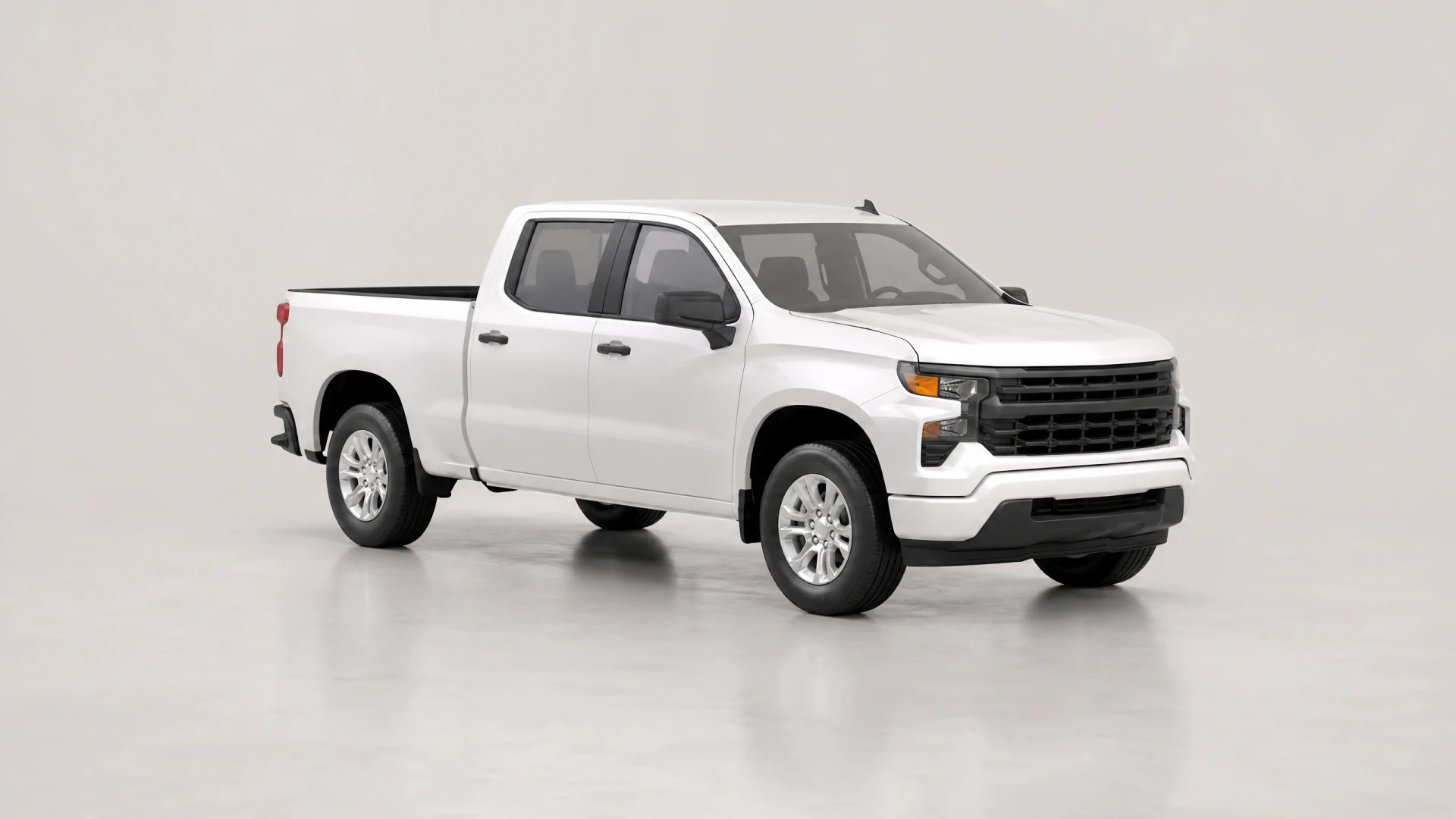
Car insurance is built around the idea that a policy covers a vehicle, not just one person. That's why a friend borrowing your car for an afternoon is typically covered under your policy. The insurer is betting on occasional, permissive use, someone you'd reasonably hand the keys to once in a while.
What changes that bet is regularity. When someone lives with you and drives your car often, whether every day or most weekends, insurers expect that person to be named on the policy. If they're not listed and they're driving constantly, the insurer can argue they should have been disclosed as a household member, and that can affect a claim.
This is where unmarried couples run into a gap that married couples usually don't think about. A spouse is often assumed to be part of the household automatically. A live-in partner isn't always treated the same way by every insurer, and the definition of 'household member' varies. Some insurers ask about anyone living at your address old enough to drive, regardless of relationship status, while others focus more narrowly on who's related or listed on the title.
So the honest answer is that coverage exists, but its strength depends on whether your actual driving pattern matches what the insurer thinks is happening. A single questionable trip is a different situation than daily shared use. Check your policy's language on permissive use and household members, since this is one of the places that varies by insurer and sometimes by state.
The short version
Yes, other drivers are usually covered occasionally, but a live-in partner who drives regularly should be named on the policy. The risk isn't the occasional drive, it's a pattern of use that doesn't match who's listed. Call your insurer and ask how they define household member, then decide whether to add your partner.
What happens to the car and policy if we break up?
The car stays with whoever's name is on the title, regardless of who's on the insurance policy. If only one of you owns the car, that person keeps it, and the other person simply comes off any policy they were added to. If the policy was combined or you were both named drivers, you'll need to separate it, which usually just means one of you starts a new policy.
The trickier case is when the car was bought together or payments came from both of you. That's not an insurance question though, it's a property question, and it depends on what's on the title and any agreement you made. Insurance follows ownership and listed drivers, not who paid for gas or who drove it more. If you're sharing a car now, it's worth knowing whose name is actually on the title, before a breakup forces the question.
Once you know whether your partner needs to be named on your policy, compare quotes to see what that costs.

Should you add your live-in partner to your policy
If you do
Your partner is clearly covered no matter how often they drive, and a claim won't get questioned over who was behind the wheel. Your rates may shift based on their driving record, for better or worse. If you break up, you'll need to update or split the policy, which takes a call but isn't complicated.
If you don't
Occasional use is still likely covered, but regular driving without being listed creates risk if there's ever a claim. The insurer could say they should have been disclosed as a household member. You avoid any rate change from their record now, but you're carrying uncertainty every time they drive.
One partner drives the other's car most weekdays
Two partners move in together and share one car, which is titled and insured under only one of their names. The other partner starts driving it most weekdays to commute, while the car owner mostly works from home. Neither of them thought to mention this to the insurer, since the car itself hadn't changed hands.
A few months in, the commuting partner is in a minor accident. The claim gets processed, but the insurer asks pointed questions about how often this person drives the car, because daily use by someone not on the policy looks different than a one-time favor. It gets resolved, but slower and with more scrutiny than it would have if that partner had simply been added as a listed driver from the start. After that, they call the insurer, add the commuting partner to the policy, and the rate adjusts to reflect both drivers honestly. The next claim, a year later, goes through without any questions about who was driving or why.