Do Named Drivers Have to Live at the Same Address
No, most insurers don't require a named driver to share your address, but some ask about the household anyway.
Insurers care about the car's risk, not your relationship status
Car insurance is built around who drives the car and how often, not around marriage certificates or lease agreements. When you add a named driver, the insurer wants to know how much that person uses the car and where the car usually sits overnight. A partner who lives with you and drives the car regularly is often easier to describe accurately than one who doesn't, simply because the insurer can treat the household as one unit with one main address.
That said, some insurers do ask directly whether a driver lives at the policyholder's address, because it affects how they calculate risk. A partner living elsewhere but driving your car often is still insurable, but you'll need to describe that arrangement honestly rather than let the insurer assume you live together. Rules on this differ by insurer and sometimes by state, so it's worth asking directly rather than guessing.
Where it gets complicated is when the car itself splits time between two addresses, like if you and your partner each keep your own place but share one vehicle. Insurers want the address where the car is kept most nights, and that's not always obvious when two people share a car unevenly. Being upfront about the real pattern protects you if there's ever a claim.
The underlying logic is that insurers are pricing actual use and actual risk. Address matching is just one of the signals they use to estimate that, not a rule about who counts as family.
When a partner living nearby still needed to be added
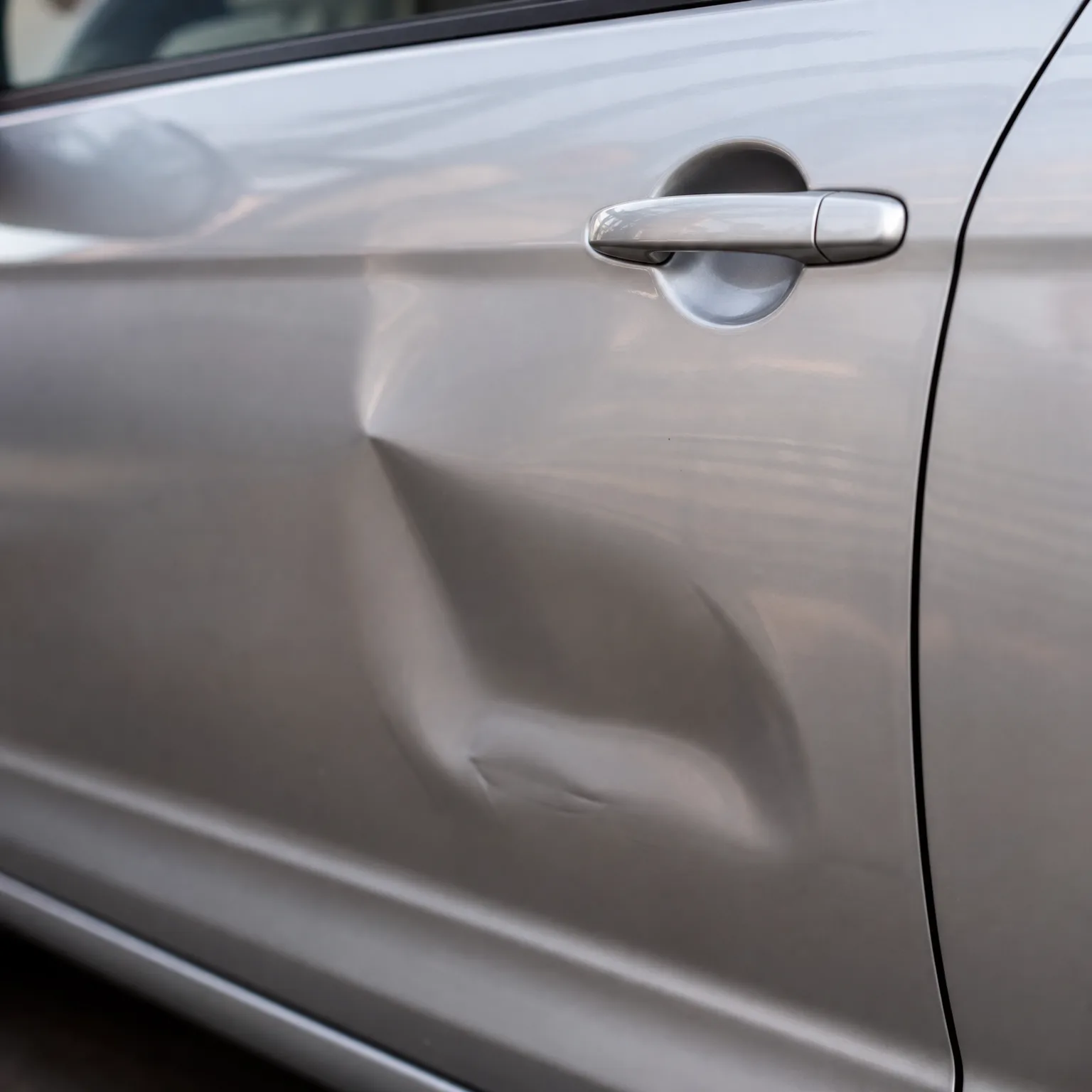
A couple shared one car even though they kept separate apartments a few miles apart. The car's owner had never added her partner as a named driver, assuming it only mattered if they lived together. When he borrowed the car for a weekend trip and was in a minor accident, the insurer asked why he was driving it regularly without being listed.
They called the insurer together and explained the actual arrangement, including how often he drove and where the car was usually parked. The insurer added him as a named driver going forward and adjusted the policy to reflect the shared use, without requiring them to share an address. The claim was still handled, but it took longer because the policy hadn't matched reality. After that, they kept the policy updated to reflect who actually drove the car, not just whose name was on the lease.
Now you know how insurers treat shared addresses, so compare quotes that reflect your real driving arrangement.

Telling your insurer the real living and driving setup
If you do
You tell the insurer your partner drives the car regularly, even from a different address. They add him or her properly, price the policy around actual use, and any future claim moves faster because the facts already match what's on file. No surprises if something happens.
If you don't
You leave an unlisted regular driver off the policy. If there's ever an accident while they're driving, the insurer may investigate usage patterns, delay the claim, or reduce coverage for that incident once they learn the car was driven more often than the policy reflected.
What if we live together now but might not later?
Add your partner as a named driver based on how things are today, not how they might change later. Insurers price the policy around your current address and current driving pattern, and you can always update the policy if your living situation changes.
If you move apart but still share the car, call your insurer and describe the new arrangement honestly. If you stop sharing the car entirely, that's a bigger change, since the policy may need to shift to reflect one driver and one address instead of two. Waiting until a breakup forces the issue usually means sorting it out during a stressful time, so it's easier to think of the policy as something you adjust as your life changes, not something you set once and forget.
Insurers care about who actually drives the car and from where, not about your relationship or your lease.