Do I Have to Pay Off My Car Loan if It Is Totaled
Yes, you still owe whatever the loan balance is after your insurance payout, unless gap coverage fills the difference.

What happens to the loan after a total loss
- The loan doesn't disappear Totaling the car doesn't cancel what you owe the lender. The insurance payout goes toward the balance, but you're responsible for whatever is left.
- Payout reflects value, not loan Your insurer pays what the car was worth right before the accident, not what you still owe. Check your policy now to see how that value gets determined.
- Gap coverage pays the difference If you have gap coverage, it pays the remaining loan balance after the insurance settlement. Check your policy or loan paperwork to see if you already have it.
- No gap means you owe the rest If there's no gap coverage and the payout is less than the balance, you pay the rest directly to the lender. Call the lender to ask how they want that handled.
- Timing matters for payments Keep making loan payments until the claim settles, even after the accident. Missing payments during the claims process can hurt your credit and add fees.
What if I owe more than the car was worth before the accident?
This is exactly the situation gap coverage is built for. Cars lose value faster than many loans get paid down, especially in the first couple of years, so it's common to owe more than the car is worth even before anything happens to it.
If you have gap coverage, it pays the difference between the insurance settlement and your remaining loan balance, so you're not left paying for a car you no longer have. If you don't have it, that difference becomes a personal debt to the lender, separate from any new car you buy next. Some lenders let you roll that leftover balance into a new loan, but that means paying interest on a car you don't drive anymore. Ask your lender directly what options they offer before you sign anything new.

Now that you know how a total loss affects your loan, compare quotes to see what gap coverage would cost you.
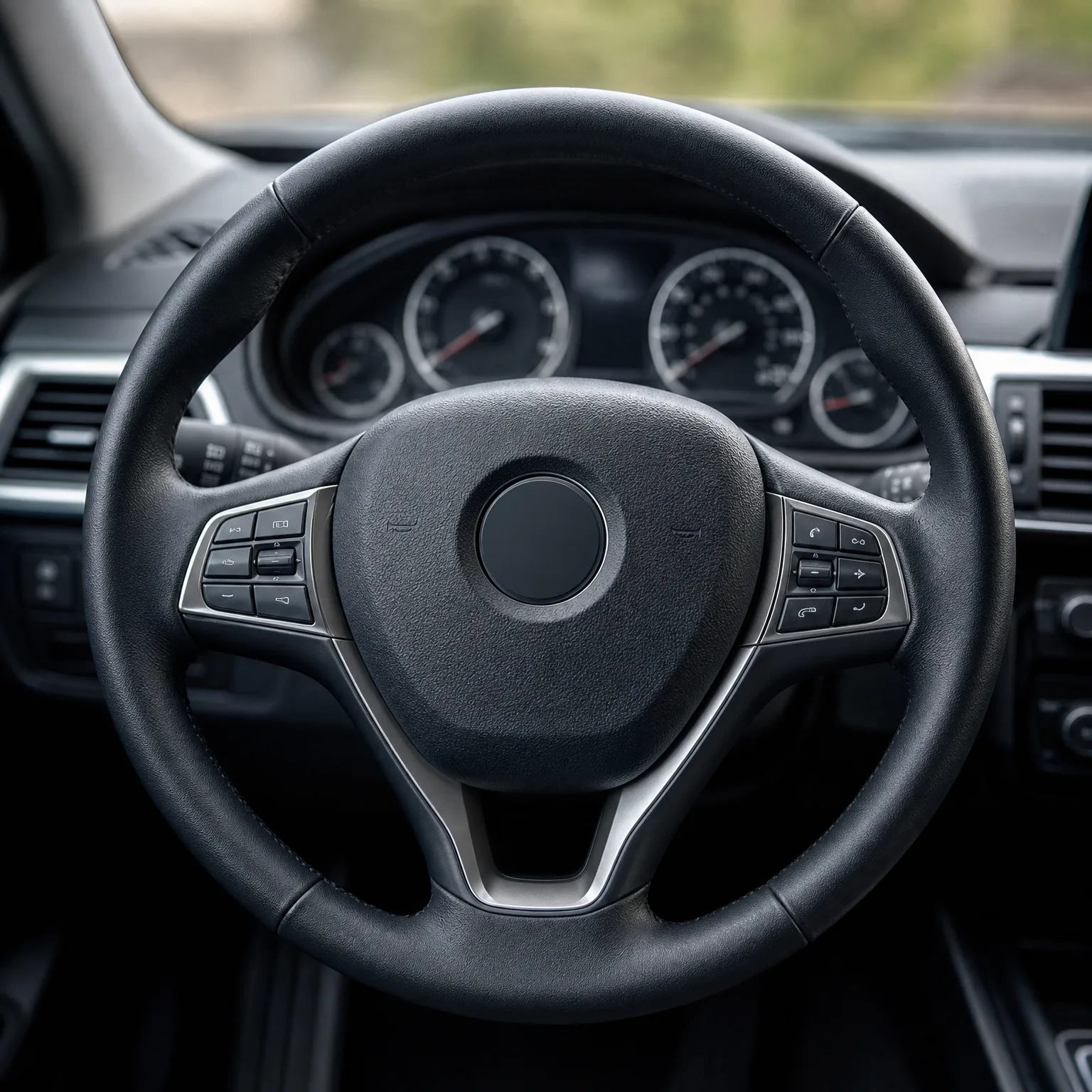
When the payout came up short
Someone financed a car two years ago and still owed a meaningful chunk on the loan when another driver ran a red light and totaled it. The insurer calculated the car's value based on its age, mileage and condition, then sent a settlement check to the lender. The check covered most of the loan but not all of it, because the car had lost value faster than the loan had been paid down.
The driver called the lender right away to ask about the remaining balance instead of waiting for a bill to show up. The lender explained the amount still owed and the payment options, including a short-term plan. Because the driver didn't have gap coverage, that leftover balance had to be paid directly, separate from financing a replacement car. The driver later added gap coverage to the next car loan, specifically to avoid repeating that experience.
Why the loan and the insurance payout aren't the same thing
A car loan and a car insurance policy are two separate agreements with two different purposes. The loan is a contract with the lender based on the price you agreed to pay for the car. The insurance policy is a contract with the insurer based on what the car is currently worth. Those two numbers rarely match, especially as the car ages.
Insurers pay out based on actual cash value, which reflects depreciation, mileage and condition at the time of the accident. Loans are structured around the original purchase price, plus interest, paid down over time. In the early years of a loan, you often owe more than the car is worth, because depreciation happens quickly while the loan balance drops slowly. That gap is exactly what creates the shortfall when a car is totaled.
Gap coverage exists specifically to close that gap, but it isn't automatic. Some lenders require it as a condition of financing, especially for leases or low down payment loans, while others leave it optional. Whether you have it depends on your policy and your loan agreement, so it's worth checking both rather than assuming either way.
In cases where the payout actually exceeds the loan balance, the extra money goes to you, not the lender. That's less common but it does happen, usually when a car has been paid down significantly or the loan was short. Either way, the lender gets paid first from the settlement, and whatever is left or still owed flows from there.
The payout follows your car's value, not your loan, and that gap is yours unless coverage closes it.