Can You Get a Ticket Driving Someone Elses Car Uninsured
Yes, if the car itself isn't insured or you're not a permitted driver, you can be ticketed even though it isn't your car.
What decides whether you get ticketed
- Insurance follows the car In most states the policy on the vehicle covers whoever drives it with permission, not just the owner. Check the other person's policy to see if it names drivers or covers anyone they allow.
- Your name isn't the issue An officer checks if the car has valid coverage at that moment, not whether you personally are insured. Ask the owner to confirm their policy is active before you borrow the car.
- Permission matters a lot Driving with the owner's permission usually keeps you covered under their policy. Driving without permission can void coverage entirely and leave you facing a ticket as if the car were uninsured.
- Your own policy may follow you Some personal policies extend to cars you drive occasionally, called non-owned coverage. Check your own policy's wording before assuming you're protected in someone else's car.
- State rules on proof vary Some states let you show proof of any valid policy on the car, others expect it tied to the driver. Check what your state requires before you're stopped.
What happens if the car owner's policy lapsed without you knowing?
You could still be ticketed, even though the lapse wasn't your fault. The officer only sees that the car has no active coverage at that moment, and the ticket typically goes to the driver, not just the owner.
Afterward you can usually contest it or get it dismissed if you show the policy was reinstated or prove you reasonably believed it was valid. But that takes time and sometimes a court date, so it still costs you something.
This is why checking before you drive matters, especially if it's a car you borrow often. A quick text asking the owner to confirm their policy is current takes a minute and avoids the whole situation. Don't assume a car looks fine or runs fine means it's insured.

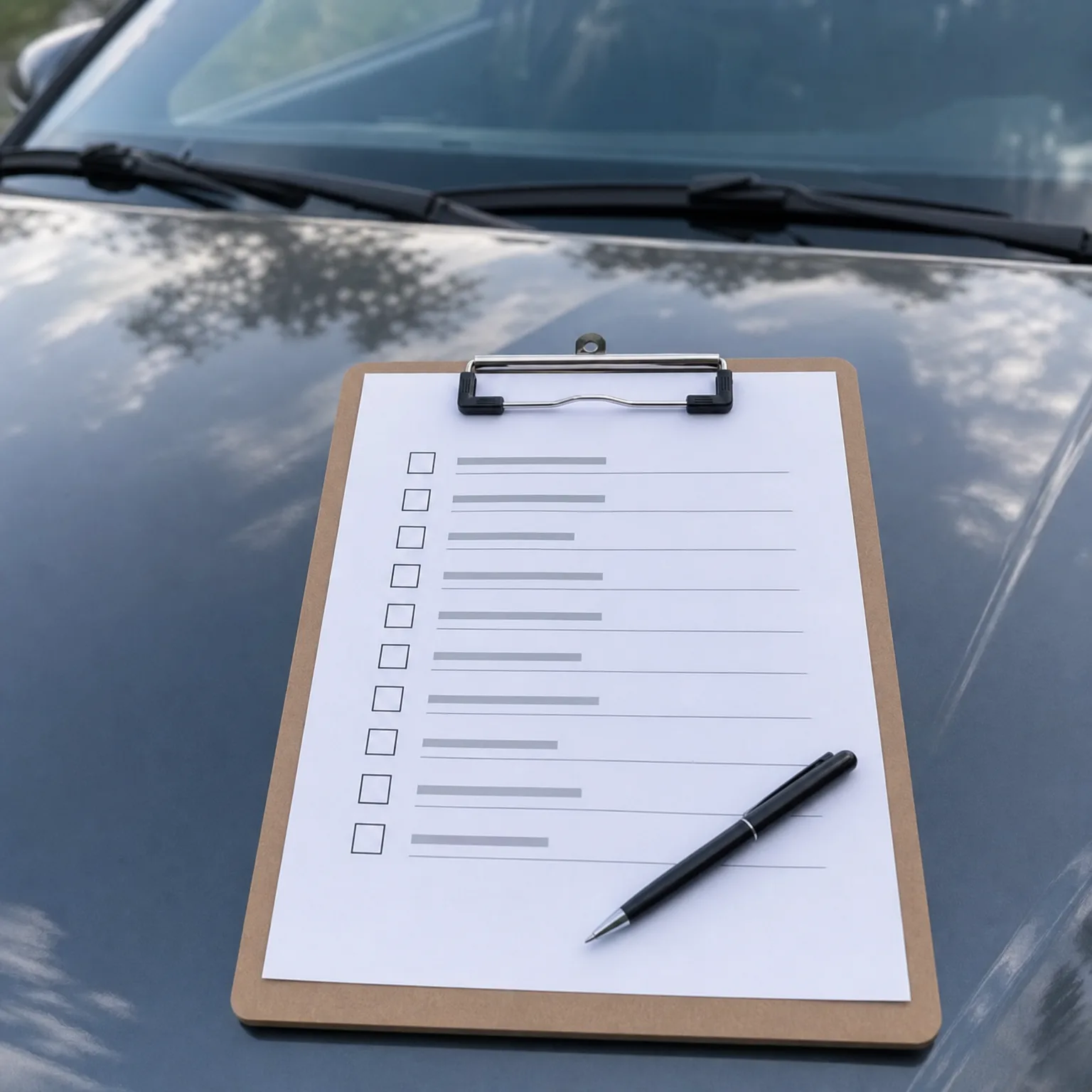
Before you borrow a car, check the policy
If you do
You ask the owner to confirm their coverage is active and that permissive drivers are covered. If you're ever stopped, you can show proof calmly and drive away without a ticket or a court date hanging over you.
If you don't
You assume the car is covered and find out otherwise during a stop or after a crash. You're left arguing your case after the fact, possibly with a ticket, a fine, or a coverage dispute that takes weeks to untangle.
Now that you know how coverage follows the car, compare quotes to make sure you're covered whenever you drive.

Why coverage follows the car, not the driver
Insurance is built around the vehicle because that's the thing causing risk on the road. A policy insures a specific car for whoever drives it with the owner's blessing, which is why borrowing a friend's car usually means you're riding on their coverage, not your own.
This also explains why permission is the hinge point. If the owner handed you the keys, you're treated as an extension of their policy. If you took the car without asking, or drive it habitually without being added to the policy, insurers can treat that very differently and may deny a claim entirely.
Where this gets complicated is frequency. A one-time borrow is usually fine under most policies. But if you're driving someone's car regularly, some insurers expect you to be listed as a driver, and not doing so can create gaps neither of you notice until something happens.
State rules add another layer, since some states are strict about who can show proof of insurance and how, while others focus only on whether the car itself carries a valid policy. That's why checking your specific state's expectations matters more than general assumptions about how insurance works.
Insurance protects the car you're driving, not just the car you own, so check before you borrow, not after.