Can Other People Drive Your Car if You Have Insurance
Most car insurance follows the car, so others can drive it, but a regular driver like a live-in partner often needs to be listed.

What decides whether your partner is actually covered
- Occasional vs. regular driver Insurers usually cover someone who borrows your car once in a while without a problem. If your partner drives it often, the insurer may expect them listed on the policy, not just permitted.
- Permission matters Coverage generally assumes the car owner said yes to that drive. Make sure your partner knows they have standing permission, not just a one-time okay, if they use the car regularly.
- Unmarried households differ Insurers don't always treat a live-in partner like a spouse by default. Call your insurer and ask directly how they define household members and who needs to be listed.
- Title and policy are separate Being on the title doesn't mean being on the policy, and the reverse is true too. Check both documents separately so there's no gap between who owns the car and who's insured to drive it.
- Excluded drivers lose coverage If your partner was ever named as excluded on a past policy, that exclusion can follow them. Ask your insurer to confirm there's no exclusion sitting on either of your records.
Should we combine our policies or keep them separate?
There's no single right answer, it depends on what you're optimizing for. Combining policies under one insurer often simplifies things and can make it easier to confirm both of you are covered the same way. It also means one partner's driving record and claims history can affect the other's rate, which matters if your records look very different.
Keeping policies separate protects you from that crossover. If one of you has a rougher driving history or more claims, staying separate can keep your own rate insulated from theirs. It also makes things cleaner if you break up, since there's no shared policy to untangle.
The honest way to decide is to get quotes both ways, combined and separate, and compare the actual numbers for your two records. Ask the insurer directly how they'd treat you as an unmarried household, since that answer varies and shapes which option makes sense.

Now that you know how coverage works for your household, compare quotes to see what combined or separate policies cost.
When one partner's name was never added to the policy
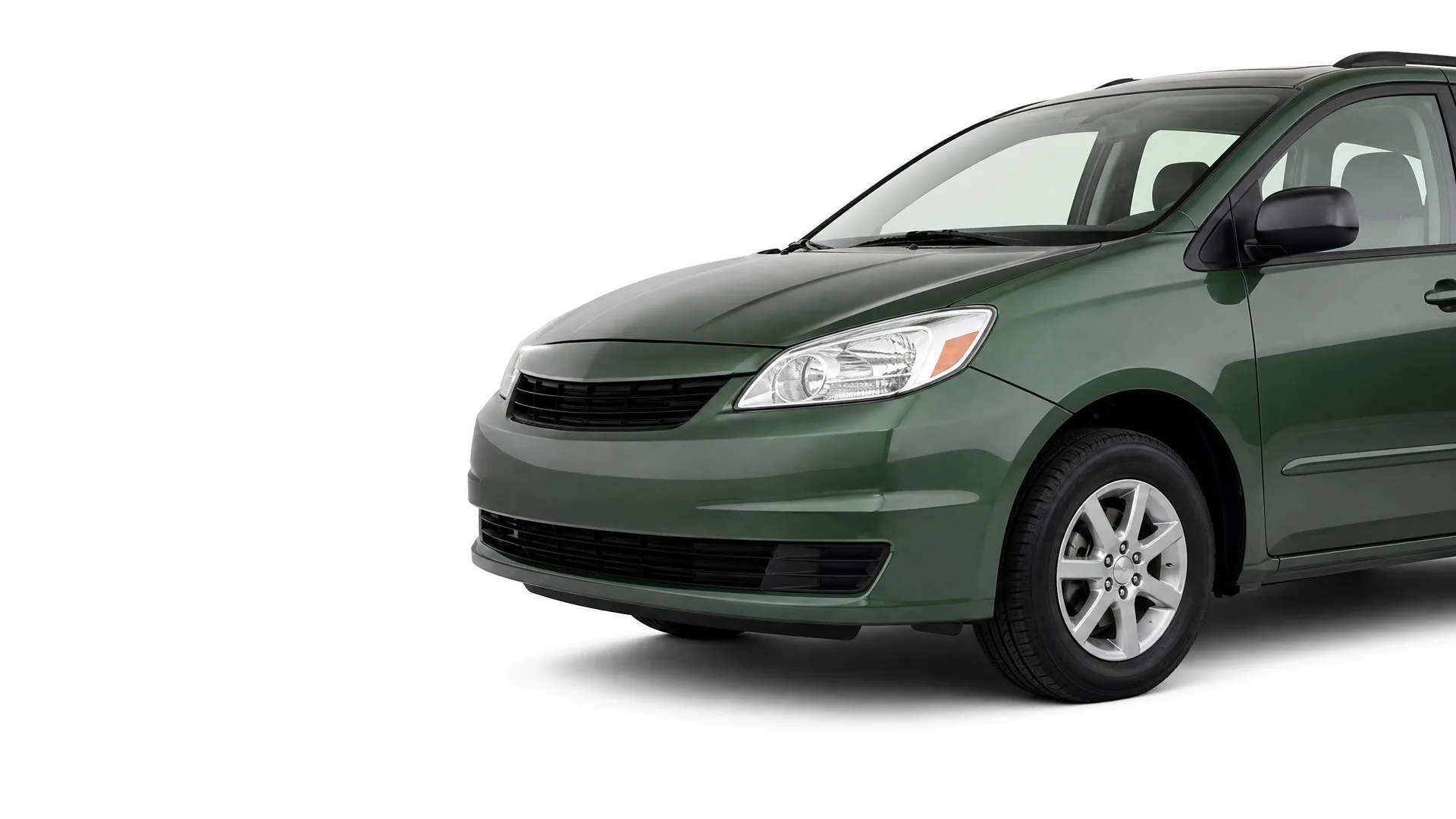
A couple in their thirties had lived together for two years, sharing one car that was titled and insured only in her name. He drove it several times a week to work, something neither of them had thought to mention to the insurer because it felt like a formality, not a risk. When he was in a minor accident one evening, the claim raised a question neither of them expected, whether he counted as a regular driver who should have been listed from the start.
The insurer ended up covering the claim, but only after review, and they told the couple plainly that going forward he needed to be added as a listed driver given how often he used the car. The couple called the insurer directly, listed him on the policy, and asked how it would affect their rate. It changed their premium slightly, but it closed the gap that had been sitting there unnoticed, and they stopped worrying every time he took the car out. They also asked what would happen to the policy if they ever split, so they'd know that answer ahead of time instead of during a harder moment.
The real risk isn't an accident, it's an unlisted regular driver your insurer never agreed to cover.
Does my partner need to be on my insurance to drive my car?
Not for occasional use, but yes if they drive it regularly. Insurers distinguish between someone borrowing a car occasionally and someone who uses it as part of their normal routine. If your partner drives your car several times a week or has their own key and habit of using it, your insurer likely expects them listed. Call and describe the actual pattern of use, since that's what determines the answer, not just whether you're married.
What happens to car insurance if unmarried couples break up?
The policy stays with whoever owns it, and the other partner is simply removed as a listed driver if they were on it. If you combined policies, you'll need to split them, which usually means one person starts a new policy elsewhere. Check your policy now for how it handles removing a driver, so you're not figuring it out for the first time during a breakup.
Will my partner's bad driving record raise my insurance rate?
It can, if they're added to your policy, since insurers price the policy based on everyone listed on it. If you keep policies separate, their record generally stays their own problem and doesn't touch your rate. This is one of the main reasons some couples choose to stay separate even when combining would otherwise be simpler. Ask your insurer directly how listing a driver with a mixed record would change your premium before deciding.