Can an Excluded Driver Still Drive My Car
No, an excluded driver has no coverage on your policy, even if you hand them the keys willingly.
The exclusion isn't a suggestion, it's a wall around that person
When someone is excluded from your policy, the insurer isn't just lowering your rate because that person drives less. They're drawing a line that says this specific person is not part of this coverage, under any circumstance, in any seat, behind this wheel or any other car you own. That line was usually drawn on purpose, often because the person had a bad record, a suspended license, or because excluding them was the only way to keep your policy affordable.
Because the exclusion is a condition of the policy, it doesn't bend for emergencies or good intentions. It doesn't matter that you were the one who said yes, that the drive was short, or that nothing like this had happened before. If the excluded person is the one driving when a crash happens, the insurer can deny the claim entirely, leaving you responsible for the other car, the other driver's injuries, and your own vehicle.
This is different from a regular unlisted driver borrowing your car once in a while, which many policies do cover under permissive use rules. An exclusion overrides permissive use completely. It exists specifically to close that door, so the casual exceptions that apply to a friend or neighbor don't apply here.
How strictly this gets enforced, and whether there's any partial coverage left for other people in the car, depends on your state and your insurer. Some places allow a little more flexibility in extreme situations, but you shouldn't count on it. If you're unsure exactly what your exclusion covers, call your insurer and ask them to explain it in plain terms before you ever hand over the keys.

What the exclusion actually controls
- No coverage, no exceptions The excluded driver has zero coverage under your policy no matter the reason for driving. Treat the exclusion as absolute, not something that flexes for short trips or emergencies.
- You're on the hook, not them If they crash while driving your car, you're the one who owns the car and the consequences. Assume you'd personally pay for damage, injuries, and legal costs out of pocket.
- Their own policy won't save you Even if the excluded person has their own insurance, it typically won't extend to a car you own. Don't assume their coverage follows them into your driver's seat.
- Keys mean nothing legally Giving permission doesn't cancel the exclusion or create coverage where none exists. Keep the car physically unavailable to them if you want the exclusion to mean anything.
- Changing it takes a real update The only way to let them drive is to formally remove the exclusion with your insurer, which usually changes your premium. Call and ask what that change would cost before deciding.

Letting the excluded driver take the wheel anyway
If you do
If they drive and nothing happens, you got lucky, nothing more. If they crash, the insurer can deny the entire claim once they confirm who was driving, leaving you to cover both cars, injuries, and any lawsuit yourself, with no help from the policy.
If you don't
If you keep the car away from them entirely, your policy works exactly as written. You keep the lower rate the exclusion was created for, and you avoid any dispute over who was driving. You can still revisit removing the exclusion later if their situation changes.
Knowing the exclusion holds no matter what, compare quotes to see what covering that driver properly would cost.
When letting them "just this once" went wrong
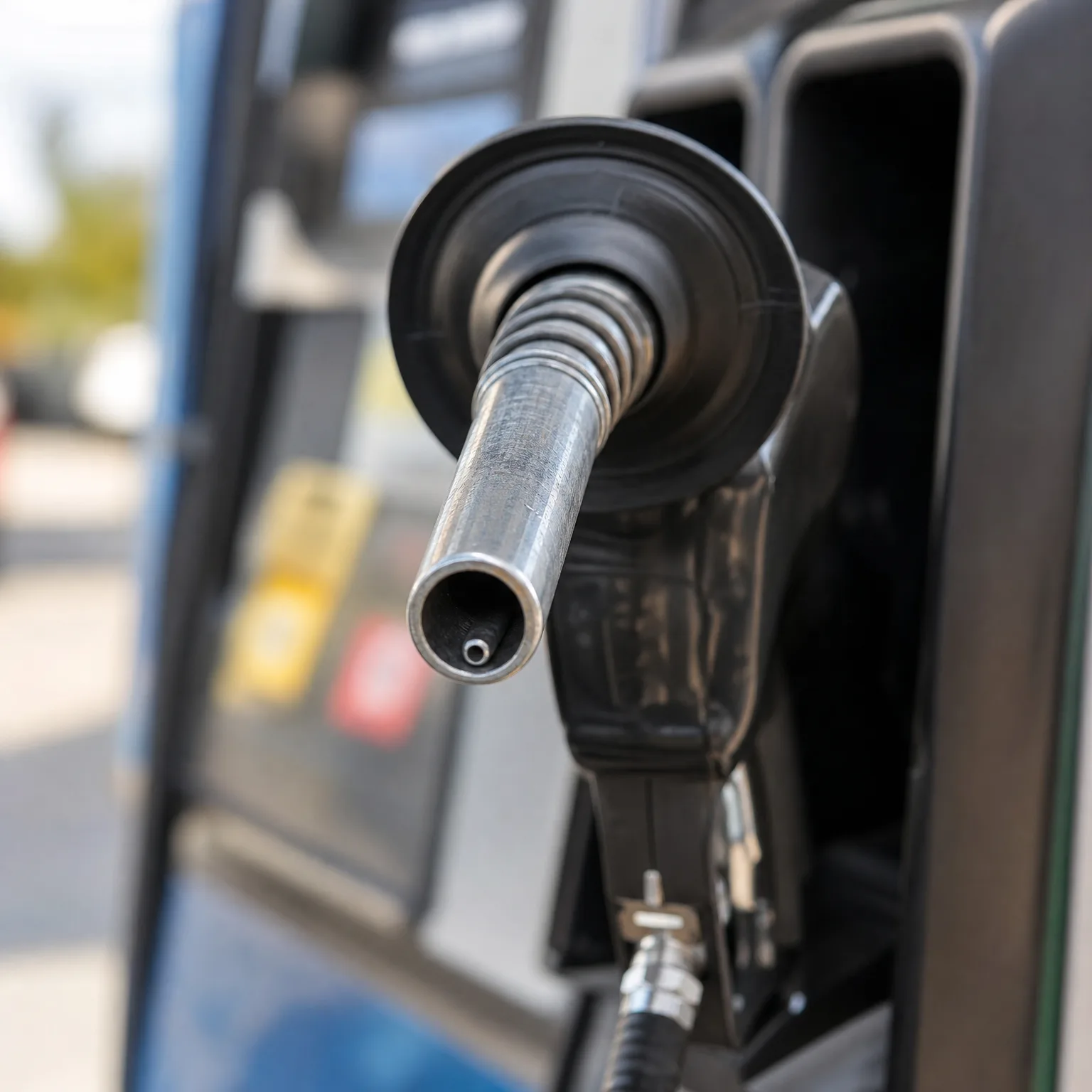
A woman had her partner excluded from her policy after a past license suspension kept her rates high. One evening her car was blocking his in the driveway, so she let him move it a few feet, just to the curb. While backing out, he clipped a parked car and caused real damage to both vehicles.
She filed the claim assuming it would be handled like any other fender bender. Instead the insurer asked who was driving, and once she answered honestly, they denied the claim completely, citing the exclusion. She ended up paying for both cars' repairs herself, and only afterward called to have the exclusion removed, which raised her premium but gave her actual peace of mind going forward.
Does it matter if the excluded driver has their own separate insurance policy?
Not usually. Most personal auto policies follow the car, not the driver, so their separate policy typically won't step in to cover damage caused while driving your vehicle. Some policies have narrow exceptions, so it's worth asking your insurer directly whether their policy would respond in any situation, but don't assume it will.
Can I let the excluded driver drive someone else's car instead of mine?
That depends on whose name is on that policy and whether they're excluded there too. If they're only excluded from your policy, driving a different car they're not excluded from may be covered under that other policy's rules. Check with the other car's insurer directly, since permissive use rules vary.
What happens if the excluded driver is a passenger instead of the one driving?
Being a passenger is completely different from driving. The exclusion only applies to them operating the vehicle, so riding along causes no coverage issue at all. The risk only appears the moment they're the one behind the wheel, regardless of how short the drive is.