Am I Liable if Someone Else Crashes My Car
In most cases your insurance pays first when your car crashes, no matter who was driving, as long as they had your permission.
Your policy follows the car, not the driver
Car insurance is built around the vehicle. When you buy a policy, you're insuring that specific car against damage and against claims from people it hurts, and that coverage generally applies no matter who is behind the wheel, as long as you gave them permission to drive it. This is why lending your car to a partner, a friend, or a neighbor usually doesn't require adding them to your policy first.
Permission is the key word. If you handed over the keys or it's understood that your partner can drive the car whenever they want, insurers typically treat that as permissive use and your policy responds to a crash they cause. If someone took your car without asking, that's a different situation, and the insurer may try to shift liability onto the driver instead of paying out under your policy.
Where this gets more complicated is when the other driver lives with you. Insurers often expect you to list household members as drivers on your policy, even if they're not on the title. If your partner drives your car regularly and isn't listed, the insurer may still pay a claim, but they could also raise questions afterward or adjust your premium once they learn someone uncounted is driving regularly.
The other variable is whose coverage pays when both people have policies. If your partner has their own insurance on a different car, your policy is usually primary for anything happening in your car, and theirs could serve as secondary coverage above your limits. The exact order and how claims between partners' policies get sorted out depends on your state and your insurer, so it's worth asking directly rather than assuming.
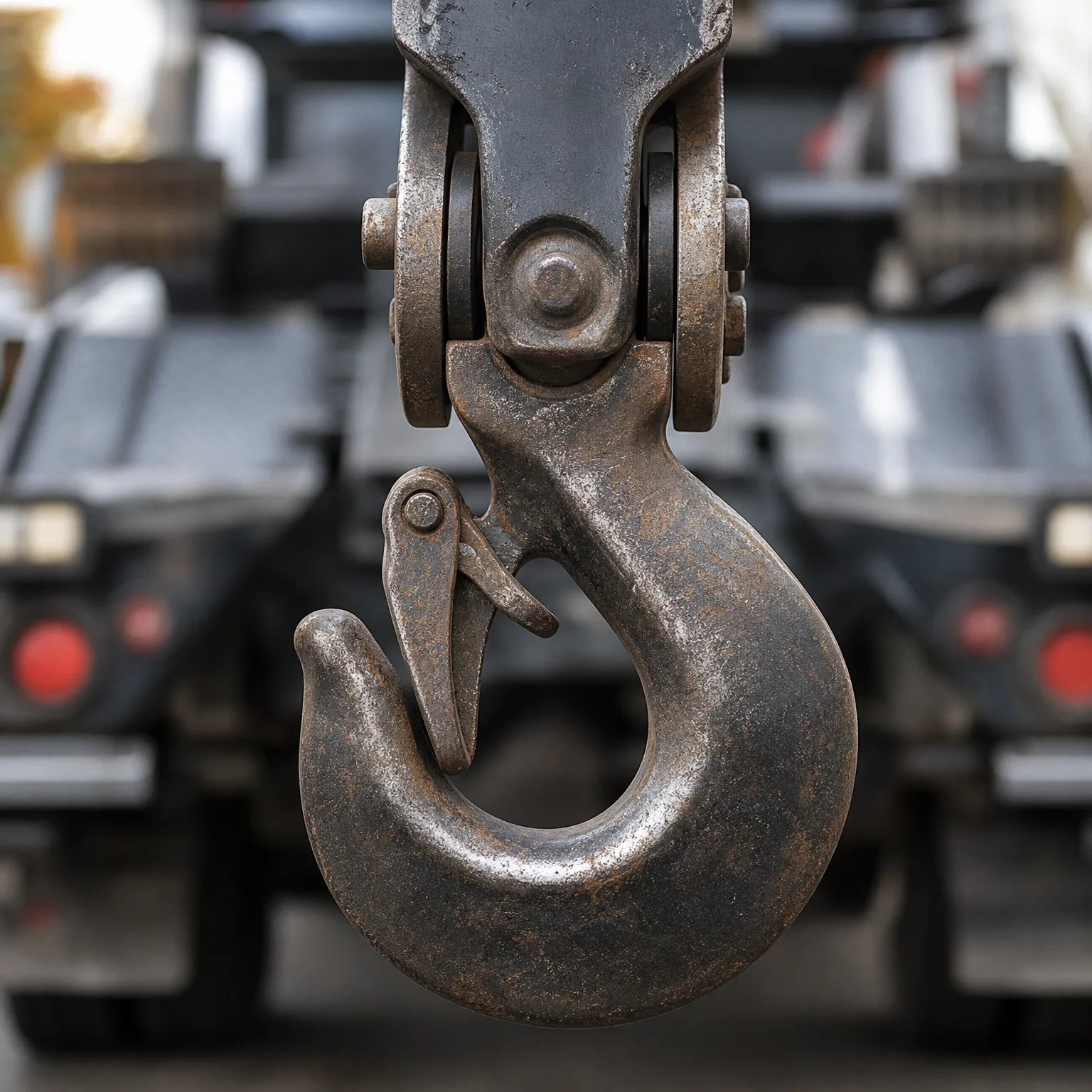
When a partner borrows the car and causes a crash
Say you own the car and your name is the only one on the title and the policy. Your partner, who has their own policy on their own car, borrows yours to run an errand and rear-ends someone at a light. The other driver's car is damaged and they file a claim.
Because your partner had your permission to drive, your insurance is the one that responds first. Your policy pays for the damage to the other car and, if your partner is hurt, your medical coverage applies the way it would if you'd been driving. Your rates may go up at renewal because the claim is tied to your policy, even though you weren't driving. If the damage exceeds your limits, the other driver could pursue your partner's own policy for the remainder, but that's a secondary step, not the first one. The lesson for you isn't abstract. It's that the car you own carries the risk, so if your partner drives it often, it belongs on your policy as a listed driver, not just someone you occasionally wave off with the keys.
Does it matter whose name is on the car title versus the insurance policy?
Yes, and the mismatch is worth fixing before anything happens, not after. The title says who legally owns the car, while the policy says whose insurance responds to a claim. If your partner owns the car but the policy is in your name, or the reverse, insurers can treat that gap as a reason to ask more questions during a claim, even if they ultimately still pay.
The cleanest setup is for the policyholder and the title owner to be the same person, or for both names to appear on both documents if you're splitting ownership. If that's not practical right now, at minimum tell your insurer who owns the car and who drives it regularly, so there's no surprise about permission or ownership when a claim comes in.
Compare quotes now that you know how liability works when someone else drives your car.

Listing your partner as a driver on your policy
If you do
Your insurer already knows your partner drives the car regularly, so a crash gets processed without questions about who was behind the wheel or whether they had permission. Your premium reflects reality upfront, which can mean a modest increase now, but it protects you from a bigger dispute or rate shock later.
If you don't
Your policy still likely covers a crash your partner causes, since permission is the main test. But if the insurer finds out afterward that your partner drives often and wasn't listed, they may question the claim, raise your rate retroactively, or flag the policy for misrepresentation, especially if this happens more than once.
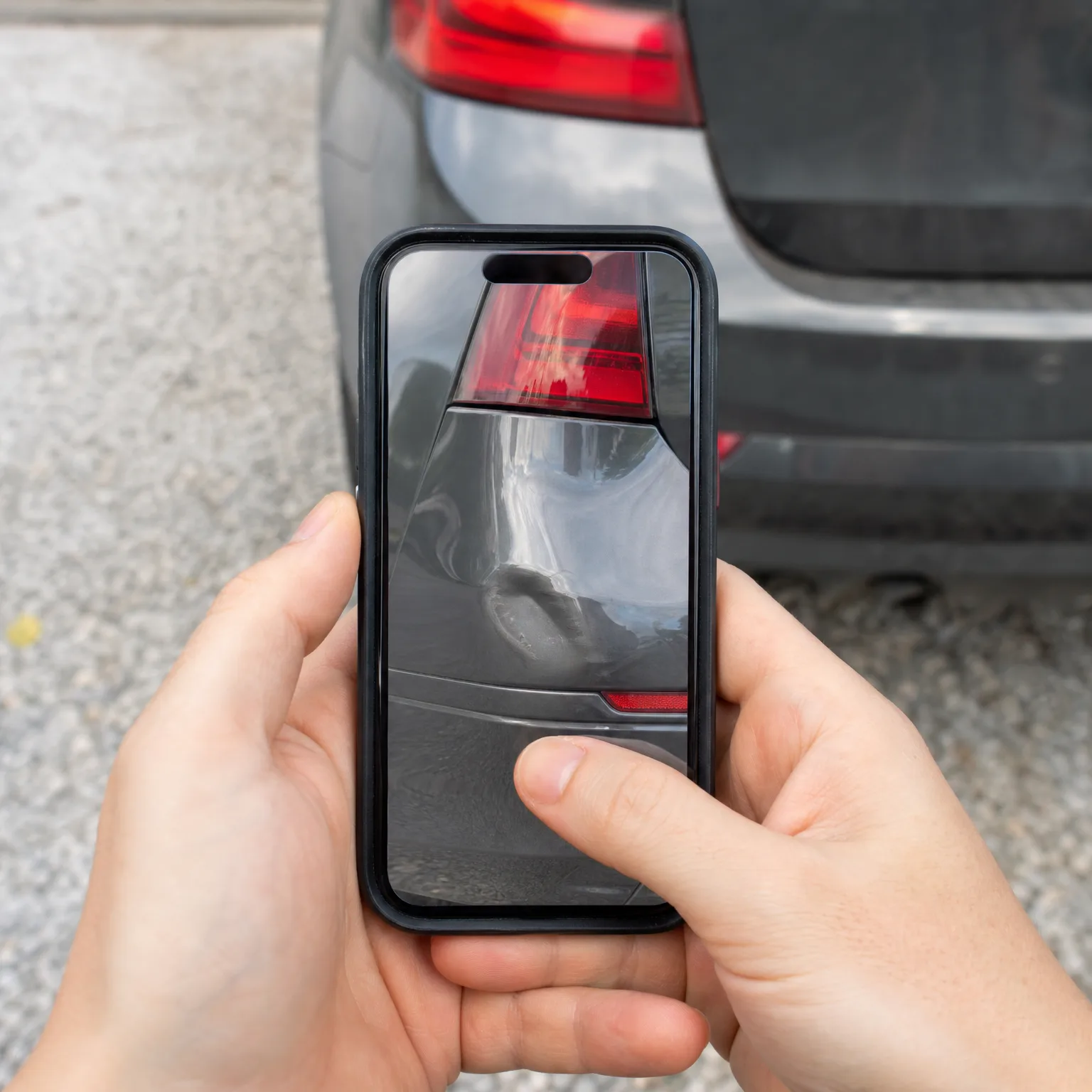
What decides who's actually on the hook
- Permission to drive If you let your partner drive the car, your policy usually covers a crash they cause. Make sure that permission is clear and not just assumed.
- Household driver rules Insurers often want anyone living with you listed as a driver, not just those on the title. Check your policy's definition of household member.
- Whose policy pays first Your policy is typically primary for your car, with your partner's policy as backup if damages are high. Ask your insurer how they order claims between two policies.
- Rate impact after a claim A crash your partner causes can raise your premium even if you weren't driving. Decide together how you'd handle that cost before it happens.
- What happens if you separate If you break up, the policy and the car stay with whoever owns them unless you update things. Remove each other as drivers and update the title as soon as you can.