Am I Liable if My Partner Causes a Car Accident
You're liable in some way if the car or the policy is in your name, even if your partner was driving and you weren't in the car.
Liability follows the car and the policy, not the relationship
Car insurance liability is built around two things, who owns the vehicle and whose policy covers it. If your name is on the title, you can be held responsible for how that car is used, because ownership carries its own legal exposure separate from who was behind the wheel. This is true whether the driver is a spouse, a partner, or a friend you lent your keys to.
The policy adds a second layer. If your partner is a listed or permitted driver on your policy, their accident is treated as a claim against that policy, and it can affect your rate and your claims history even though you weren't driving. If they're not listed and you didn't give them reasonable permission to drive the car, the insurer may still cover the accident but could try to recover costs afterward, or deny coverage entirely depending on how your policy defines permitted use.
Unmarried partners don't get the automatic legal treatment that spouses sometimes get in certain states, where shared property or shared liability rules can apply by default. Without marriage, insurers generally look at the facts, whose name is on the title, whose name is on the policy, who was allowed to drive, and they don't assume shared responsibility just because you live together.
The cases that work out differently usually come down to permission and disclosure. If you told your insurer about your partner and they're listed as a driver, you're both protected the way the policy intends. If you never mentioned them and they drive regularly, that's the gap that causes trouble, not the relationship itself.
What decides whether you're on the hook
- Whose name is on the title If you own the car, you carry liability tied to the car itself. Check the title and registration to see exactly whose name is listed.
- Whose name is on the policy The policy covers claims made under it, including accidents by people driving with permission. Call your insurer and ask how they define a covered driver.
- How often they drive Insurers expect regular drivers to be listed by name. If your partner drives often, ask your insurer whether they need to be added.
- Permission when it happened Coverage often depends on whether the driver had reasonable permission to use the car. Keep your understanding with your partner clear so there's no ambiguity later.
- Rate impact after a claim A claim involving your partner can raise your rate even if you weren't driving. Ask your insurer how an unlisted versus listed driver's accident affects your policy.

Once you know who's actually on the hook, compare quotes that reflect how you and your partner really share the car.
Should I add my partner to my policy or get them their own?
If you share the car regularly, adding your partner to your policy is usually the more reliable path, because it removes the question of permission entirely and makes clear to the insurer that they're expected to drive. A separate policy makes more sense when you each have your own car and rarely drive the other's.
The decision also depends on how a shared policy would affect your rate. If your partner has a clean record, adding them is often simple and may not change much. If their record is worse than yours, ask your insurer directly how that would affect your premium before deciding, since this varies by insurer and by state. Either way, don't leave it undecided. An unlisted regular driver is the situation most likely to cause a problem after an accident, not before one.

A shared car, one name on everything
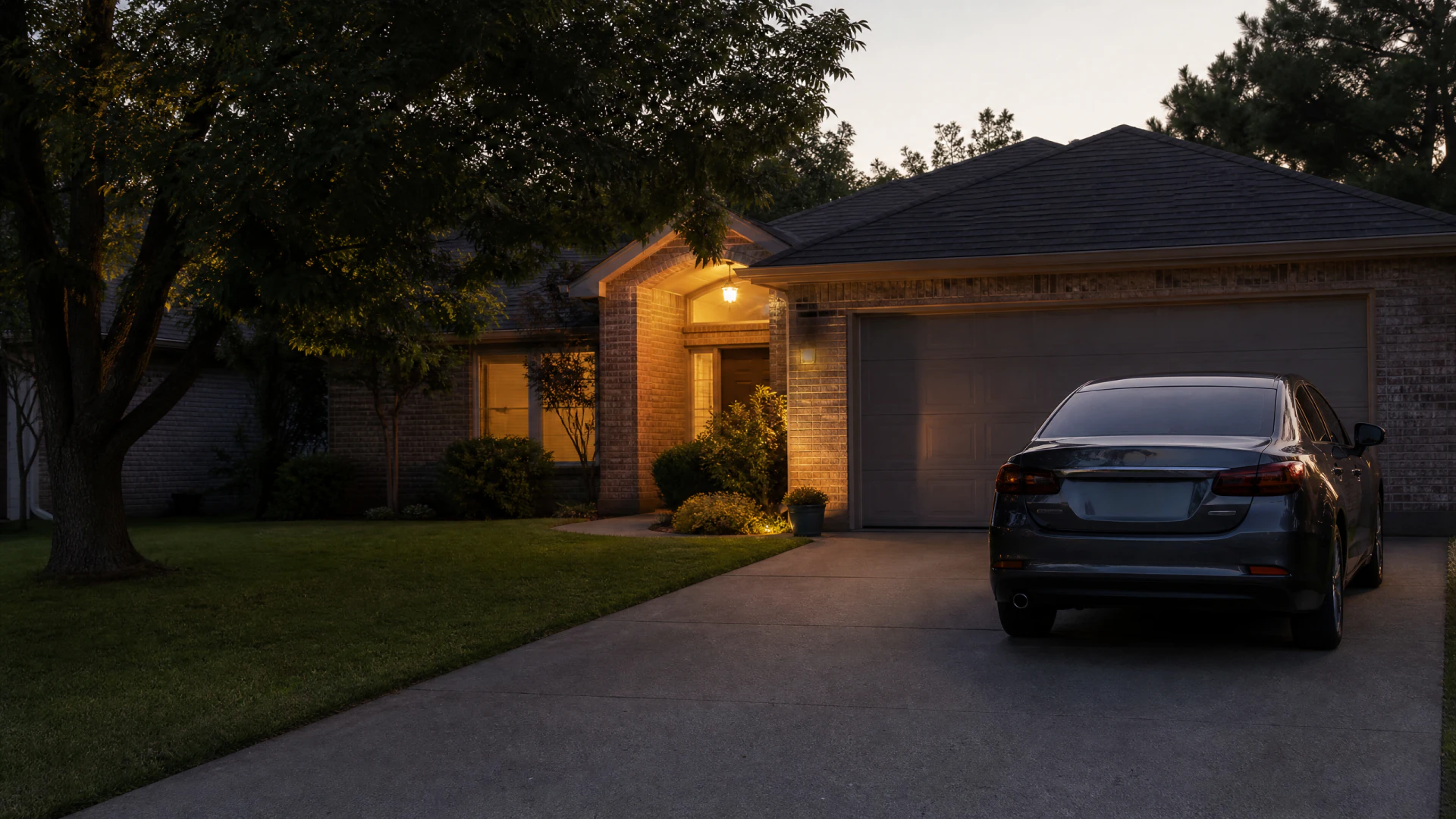
A couple in their thirties lived together and shared one car, titled and insured only in one partner's name. The other partner drove it several times a week, mostly to work, but had never been added to the policy because they assumed sharing a home meant they were automatically covered. One evening they were driving it alone and were in an accident that was ruled their fault.
The insurer paid the claim because the partner had clear, ongoing permission to use the car, but the policyholder's rate went up at renewal, and the insurer flagged that the driver should have been listed from the start. Afterward they called the insurer, listed the partner formally as a driver, and asked how the title should reflect joint ownership given how often the car was shared. It cost them a conversation they could have had months earlier, not a denied claim, but it made clear that waiting had been the riskier choice all along.
Does my partner need to be on my car title if they drive my car?
Not necessarily, title and insurance are separate. Being on the title is about ownership, while being listed as a driver on your policy is about coverage. You can keep sole ownership of the car and still add your partner as a covered driver. Check with your state's motor vehicle office if you want to formalize shared ownership, since the rules for adding a name to a title vary by state.
Can my partner's bad driving record raise my insurance rate?
Yes, if they're added to your policy as a driver, their record becomes part of how the insurer prices your coverage. This varies by insurer, some weigh the worst driver's record heavily and others average it. Ask your insurer directly how adding your partner would change your premium before you decide, so you're not guessing.
What happens to the car insurance if we break up and split the car?
Whoever keeps the car needs to update the title and the policy to reflect sole ownership and remove the other person as a driver. Until that happens, the other partner may still carry some liability or appear on the policy. Contact your insurer and your state's vehicle registration office as soon as the breakup happens to update both records promptly.